
Last updated: 23 September 2026
1Does Selangor Really Have a Pest Season?
Quick Answer: Selangor has four turning points a year, not one. The west coast gets its heaviest rain in October and November, a second peak in April and May, and two dry stretches in between. Pest control services in Selangor that work to that calendar catch problems a month before the householder does.
Most advice stops at “the rainy season brings more pests”. That is too blunt to act on, and in Selangor it is not even accurate. The state sits on the west coast, where the rainfall curve has two humps and two troughs, and each one sends a different pest indoors.
The second thing that advice misses is timing. Pest problems do not arrive with the weather that caused them. They arrive weeks later, once eggs have hatched or drains have silted up. This guide covers:
- The Selangor year. What the rainfall actually does, month by month.
- The lag. Why the worst mosquito month is not the wettest month.
- The dry spells. Which pests get worse when it stops raining.
- The calendar. When to treat, so the visit lands before the peak.
If you want the general picture first, our guide to what pest control services include in 2026 explains what a normal visit involves.
Not sure which season you are heading into?
A free inspection tells you what is active now and what is due next, so the first visit is timed rather than guessed. See the pest control services we inspect for →
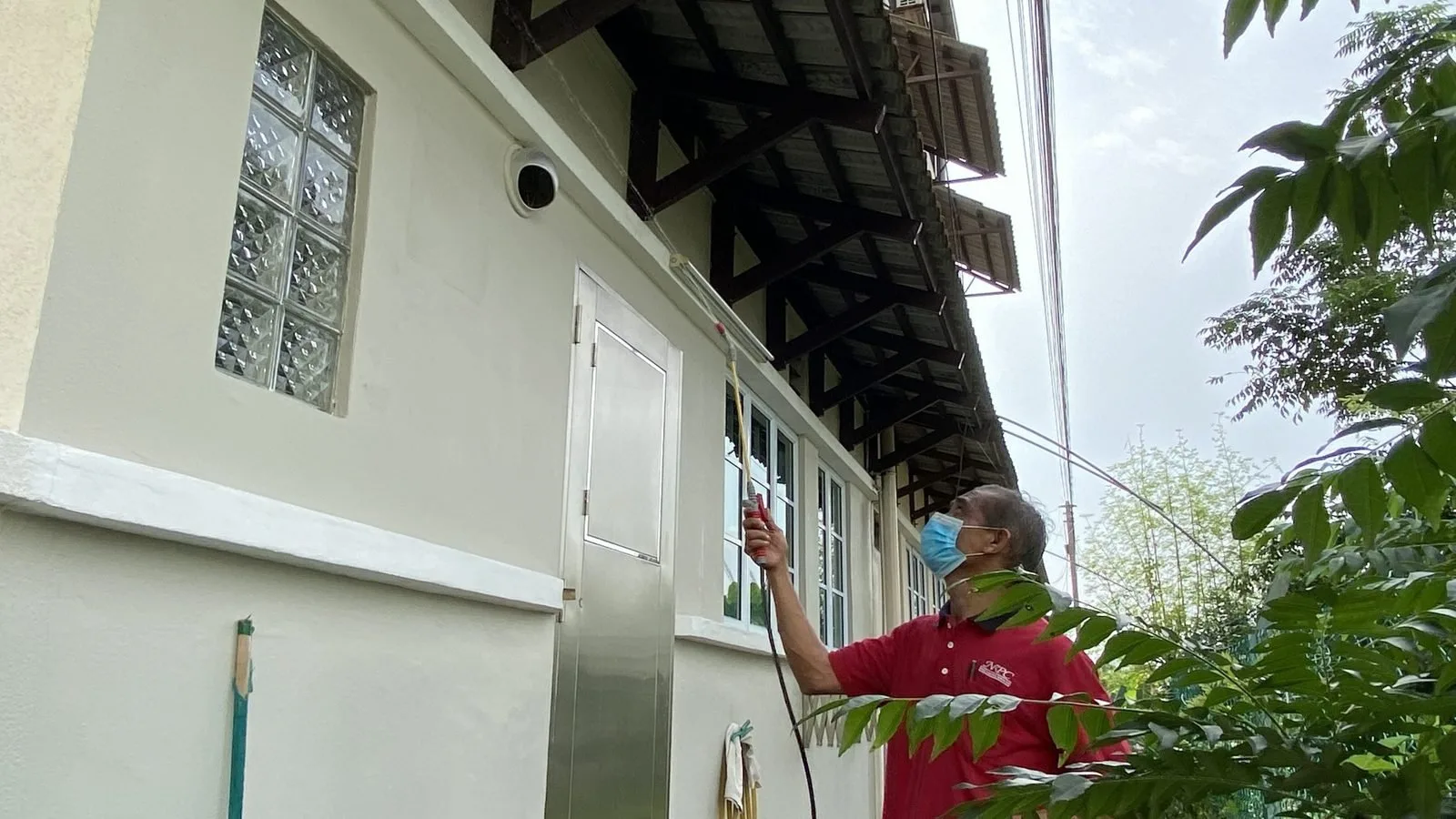
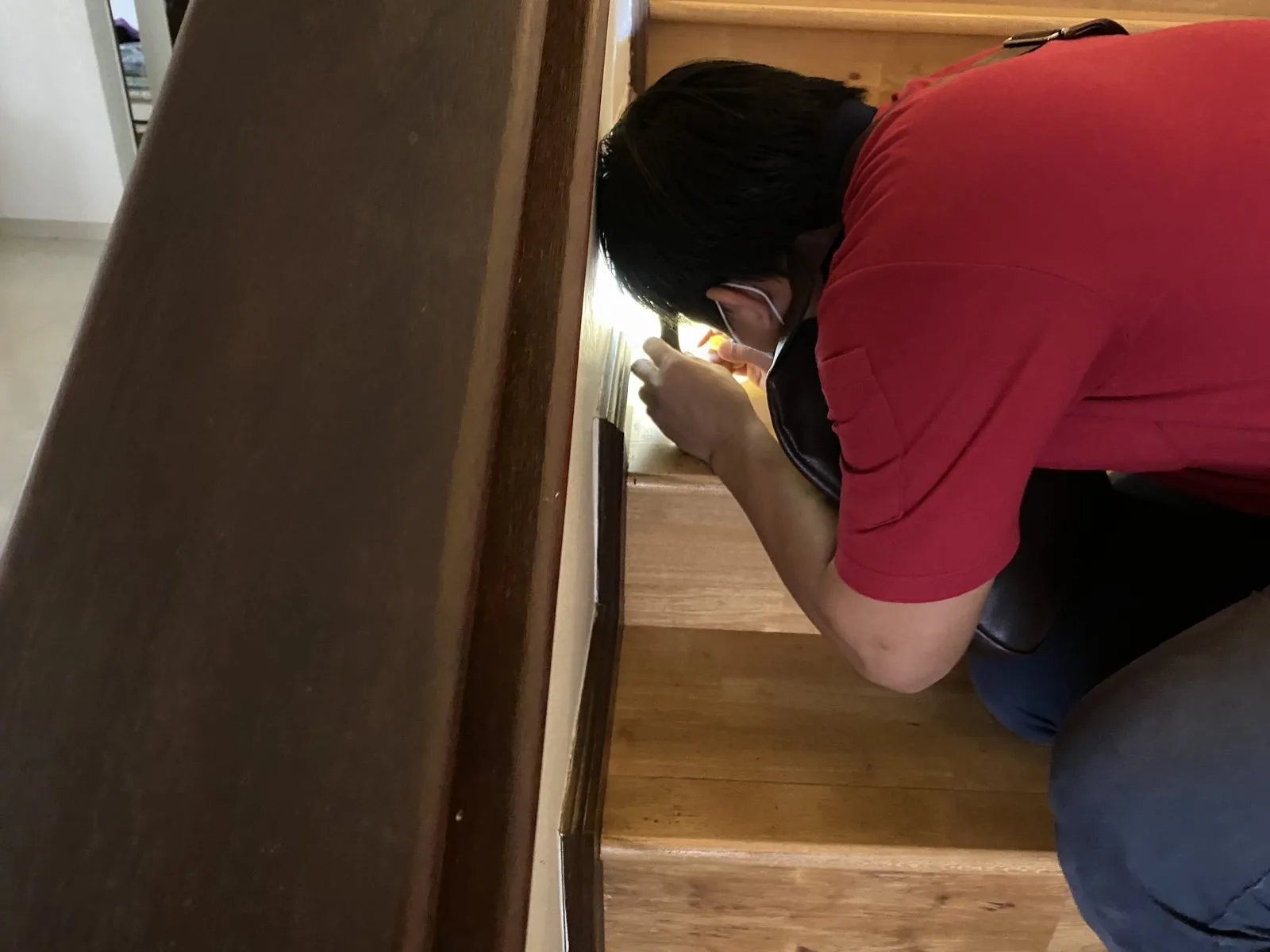
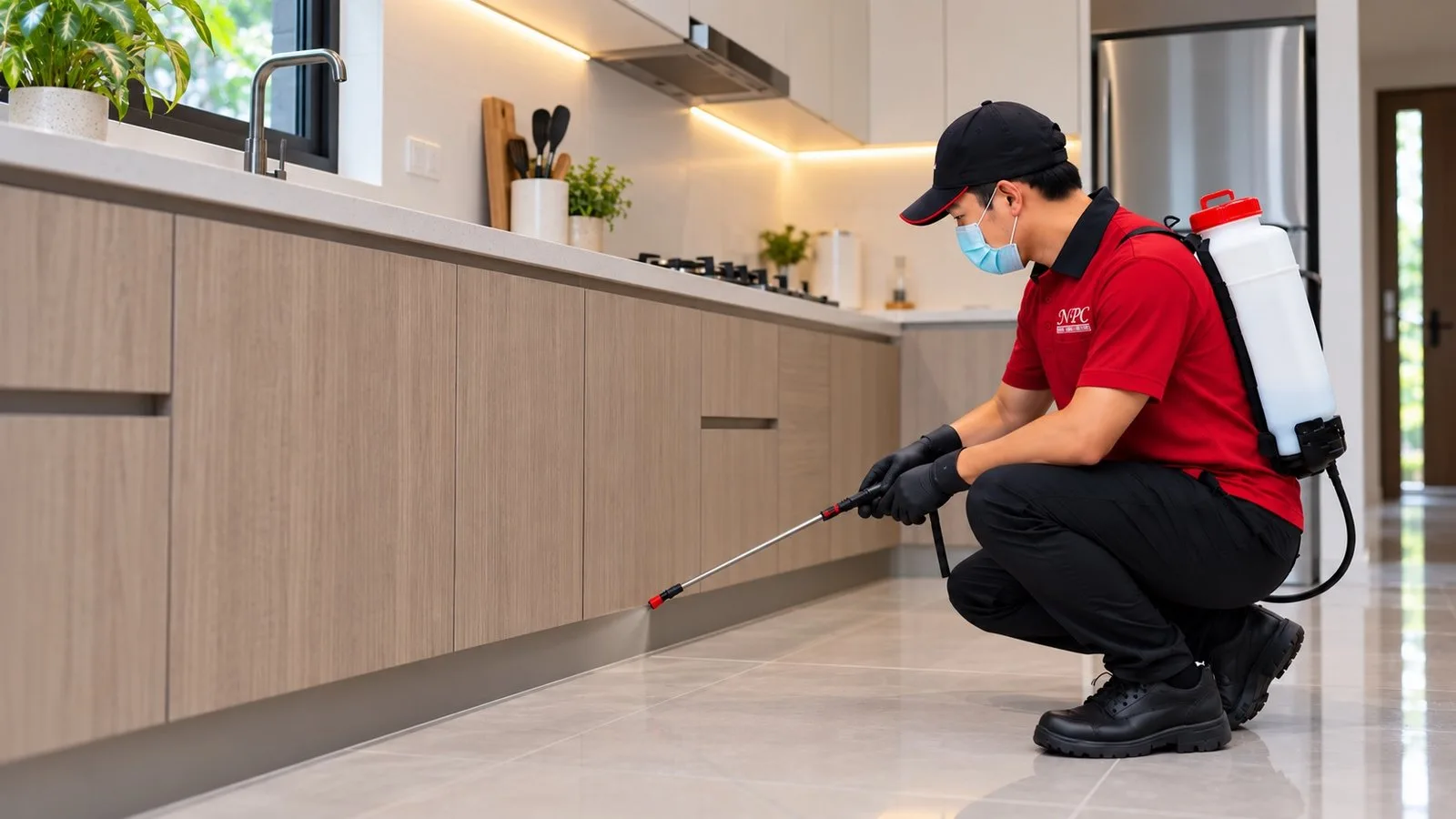
Here is a short look at our licensed team at work.

2What Does Selangor’s Rainfall Year Actually Look Like?
Quick Answer: Two wet peaks and two dry troughs. The Malaysian Meteorological Department puts the west coast’s primary rainfall maximum in October and November and a secondary maximum in April and May, with the driest months in January and February and a second dry spell in June and July.
| When | What the weather does | What we get called about |
|---|---|---|
| January – February | Northeast monsoon. Driest stretch of the year. | Ants and cockroaches indoors hunting water. Termite damage found during the clean-out. |
| March | First inter-monsoon. Thunderstorms return. | Winged termites fly after evening rain. Containers refill. |
| April – May | Secondary rainfall maximum. Storms most afternoons. | Heaviest swarming reports of the year. Aedes breeding restarts statewide. |
| June – July | Southwest monsoon. Secondary minimum, the second dry spell. | Dengue from the April rain lands now. Rats and ants come in for water. |
| August – September | Southwest monsoon continues. Dry, often hazy. | Flies and cockroaches on food premises. Bins and grease traps turn over fast. |
| October – November | Primary rainfall maximum. The wettest stretch of the year. | Drains back up and push rats indoors. Open containers start breeding. |
| December | Northeast monsoon. Flash floods on the coastal plain. | Rat pressure and flood-water risk peak. October rain shows as dengue. |
Weather pattern: Malaysian Meteorological Department, climate of Malaysia. Pest notes: NPC Pest Control field observations across Selangor, 2026.
Read the last column rather than the middle one. The weather is the cause, but what pest control services in Selangor actually get called about is the third column, and it rarely lands in the same month.
- The wettest stretch is October and November. That is when drains back up across the older parts of Klang, Kajang and Ampang.
- The driest stretch is January and February. Ants and cockroaches come in looking for water, not food.
- June and July are dry too. Most people forget this one, and it is when dengue from the April rain turns up.
Our guide to common pests by area in Kuala Lumpur covers how building type changes the picture next door.
3Which Pests Peak in Each Part of the Year?
Quick Answer: Roughly: ants and cockroaches in the dry months, termite swarms from March to May, mosquitoes from May and again from November, rats and flies through the wettest stretch. Pest control services in Selangor see the same six pests all year, but in a repeating order.
| Pest | Jan-Feb | Mar-Apr | May-Jun | Jul-Aug | Sep-Oct | Nov-Dec |
|---|---|---|---|---|---|---|
| Mosquitoes | Low | Moderate | High | Moderate | Moderate | High |
| Termites (swarming reports) | Low | High | High | Moderate | Moderate | Moderate |
| Rats | Moderate | Moderate | Moderate | Moderate | High | High |
| Cockroaches | Moderate | Moderate | High | High | High | High |
| Ants | High | Moderate | Moderate | High | Moderate | Low |
| Flies | Moderate | Moderate | Moderate | High | High | Moderate |
Source: illustrative guide by NPC Pest Control, 2026, based on when we are called out across Selangor. Ratings show call volume, not how severe one case is. Not measured data.
The grid is illustrative, drawn from when we get called out. Three rows repay a close read:
- Ants run opposite to everything else. Their worst months are the dry ones, because they are following water indoors. See our ant control page.
- Termite swarming clusters in the first half of the year. Winged termites fly after evening rain once the inter-monsoon storms start, and a flight indoors means a mature colony is nearby. Our termite control page and our guide to what a termite inspection covers explain what happens next.
- Rats climb through the wettest months and stay high. Flooded drains move them, and they do not move back.
Cockroaches are the flattest line on the grid. They breed indoors on food and warmth, so the weather barely touches them, which is why a cockroach problem that “started with the rain” almost always started earlier. Our guide to why cockroaches keep coming back covers why the two species need different methods.
4Why Do Mosquito Problems Arrive Weeks After the Rain?
Quick Answer: Because the mosquitoes that bite you in July hatched from April’s rain. Heavy rain first flushes containers out, then refills them, and it takes weeks for the next generation to mature and for cases to be reported. In Selangor the rainfall-to-dengue link peaks eight weeks later.
| District | Years studied | Correlation at an 8-week lag |
|---|---|---|
| Selangor | 2015-2019 | 0.304 |
| Selangor | 2011-2019 | 0.223 |
| Petaling | 2015-2019 | 0.181 |
| Petaling | 2011-2019 | 0.155 |
Source: International Journal of Environmental Research and Public Health, 2022. Correlation ran negative in the first week or two after rain, then turned positive and peaked at eight weeks in both districts.
A 2022 study in the International Journal of Environmental Research and Public Health tracked weekly rainfall against weekly dengue cases across Malaysia from 2011 to 2019. In Selangor the correlation ran slightly negative in the first week or two after rain, turned significant from four weeks, and peaked at eight. Petaling followed the same shape from six weeks.
That gap is why pest control services in Selangor book mosquito work ahead:
- Fogging during a downpour is close to wasted. The adults it kills are replaced by the generation already in the water.
- The useful window is the fortnight after the rain starts. Empty containers then, before the eggs hatch.
- By the time cases are reported, you are two months behind.
It is also why fogging alone rarely settles a mosquito problem: removing standing water matters more than the chemical. See our mosquito control page and our guide to whether fogging actually works.
5Do Pests Go Quiet During the Dry Months?
Quick Answer: No, they change. Ants, cockroaches and rats move indoors hunting water during January, February, June and July, so complaints often rise while it is dry. It is also the best window for termite soil treatment, which is why pest control services in Selangor fill the dry spell with barrier work.
What actually happens when it stops raining:
- Ants follow moisture inside. Sinks, bathroom corners and air-conditioner trays become the wettest places on the property.
- Cockroaches concentrate around drains and traps. The few damp spots left get crowded.
- Rats widen their range. Less water outside means longer trips and more entry attempts. Our guide to sealing the gaps rats use covers the fix.
- Soil treatment cures properly. A chemical barrier laid into dry soil is not washed through while it sets.
So the dry months are not a break, they are a different job list, and the cheapest time to do preventive work.
6How Much Does Flooding Change the Rat Picture?
Quick Answer: A great deal, and the effect outlasts the water. Flooding moves rats out of drains and into buildings, and they stay once they find shelter. Selangor’s leptospirosis pattern tracks river levels and rainfall, which is why pest control services in Selangor treat rodent work as flood preparation rather than clean-up.
A 2025 study in PeerJ mapped 1,045 confirmed leptospirosis cases across Selangor between 2011 and 2019. When the researchers modelled what predicted them, river water level and rainfall came out as the leading contributing factors.
Leptospira spreads through water contaminated by rodent urine, so flood water on the coastal plain is the exposure route that matters. Practically, that means:
- Proof before the water comes, not after. Gaps around waste pipes and door thresholds are the entry points, and they are easier to seal dry.
- Raise and lid the bins. A flooded bin area feeds every rat displaced from the drains nearby.
- Treat the whole row, not one shop. Rats displaced from a shared back lane will simply move next door.
Our rat control page covers the method, and our guide to rodent work in shophouses and food premises covers the commercial side.
Running a restaurant, factory or building in Selangor?
We survey bin areas, drains and back-of-house, then set a visit calendar that lands ahead of each seasonal peak. Get a free site survey for your premises →
7When Should You Book Each Treatment?
Quick Answer: Book so the visit lands before the peak, not during it. Pest control services in Selangor should put termite work in the dry months, mosquito source reduction as the rains start in March and again in October, rodent proofing in September, and general service on a fixed cycle.
| Approach | Jan | Mar | May | Jul | Sep | Nov |
|---|---|---|---|---|---|---|
| No plan, call when something is seen | 4 | 6 | 11 | 14 | 9 | 16 |
| Fixed quarterly visits, same dates every year | 4 | 5 | 8 | 9 | 6 | 10 |
| Visits timed to the rainfall curve | 4 | 4 | 5 | 4 | 3 | 4 |
Source: illustrative model by NPC Pest Control, 2026, for a 100-home Selangor neighbourhood. Not measured data.
The model is illustrative, but the shape matches what we see. A property with no plan spikes twice a year and pays emergency rates both times. A fixed quarterly contract flattens it partly. Visits timed to the rainfall curve flatten it almost completely, because each lands while the population is still small.
How to plan pest control around Selangor’s seasons
One evening with a calendar is enough to set the year.
- Mark the two wet peaks. April to May and October to November. These are your deadlines, not your appointment dates.
- Book mosquito source reduction four weeks before each. Clear containers and gutters while they are still dry.
- Put rodent proofing in September. Seal entry points before the heaviest rain moves the colonies.
- Put termite work in a dry stretch. January to February or June to July, so soil treatment cures properly.
- Keep a fixed cycle underneath. Cockroaches, ants and flies do not follow the rain, so they need routine visits regardless.
- Write down what you saw and when. Next year’s calendar writes itself from this year’s notes.
If you are comparing quotes for that schedule, our guide to what pest control costs in Selangor explains what a fair contract price includes.
8Is a Seasonal Contract Better Than Calling When You See Something?
Quick Answer: For most properties, yes, but only if the visits are timed rather than evenly spaced. Pest control services in Selangor work to a curve, not a calendar quarter. A quarterly contract on fixed dates beats nothing. A contract that puts its visits ahead of the two wet peaks and the two dry spells does considerably more for the same money.
The difference is not how many visits you buy, it is where they land. Ask any company you are considering:
- Will the visit dates move with the weather? A schedule locked to calendar quarters will miss both peaks in some years.
- What happens between visits? A callback included in the contract is worth more than a discount on the next one.
- Which pests are covered? General contracts often exclude termites and bed bugs entirely.
- Who does the inspection? The plan is only as good as the survey it came from.
Our 2026 checklist for choosing a pest control company lists the eight things worth verifying on paper. For homes in our own neighbourhood, see our local guide for Puchong homeowners.
9Conclusion: Work the Calendar, Not the Crisis
Quick Answer: Selangor’s pests run on a repeating annual cycle driven by two wet peaks and two dry spells, with a lag of weeks between the weather and the problem. Pest control services in Selangor that plan to that cycle cost less over a year than emergency visits booked after the fact.
The short version: ants and cockroaches in the dry months, termite swarms from March to May, mosquitoes about two months after each wet peak, rats and flies through October to December. None of it surprises anyone who has watched it for a year.
For more, visit the NPC Pest Control homepage or our pest control services hub, or go straight to mosquito control, termite control, rat control, cockroach control, fly control and sanitisation. If you run premises rather than a home, our restaurant audit guide covers the records an inspector asks for.
10Frequently Asked Questions
1. When is the worst season for pests in Selangor?
There is no single worst season, there are two. October and November bring the heaviest rain, which floods drains and pushes rats indoors. June and July are dry, and that is when dengue from the April rain arrives. Pest control services in Selangor plan around both.
2. Do I still need pest control during the dry months in Selangor?
Yes, and the pests change rather than disappear. Ants and cockroaches come indoors hunting water during January, February, June and July. The dry stretch is also when pest control services in Selangor do termite soil treatment, because the barrier is not washed through while it cures.
3. Why do mosquitoes get worse weeks after the rain, not during it?
Heavy rain first flushes breeding containers out. Eggs then hatch in the water left behind, and it takes weeks for the next generation to bite and for cases to be reported. In Selangor the link between weekly rainfall and weekly dengue cases is strongest eight weeks later.
4. When should I book termite treatment in Selangor?
Ahead of the March to May swarming period if you can, and during a dry stretch if soil treatment is involved. If you have already seen winged termites indoors, book an inspection straight away: the flight means a mature colony is nearby.
5. How do I book pest control services in Selangor?
Call NPC Pest Control on 03-8061 1875 or 016-335 9799, Monday to Saturday, 9am to 6pm. We are a licensed operator based in Puchong with over 15 years of work across Selangor and Kuala Lumpur, and inspections are free.
Get ahead of the next season, not behind it
Tell us where you are and what you have been seeing. Pest control services in Selangor should land before the peak, not after it, so we inspect free, name the pest and set the schedule around it.
Book a free inspection →