
Last updated: 28 September 2026
Pest pressure in the Klang Valley is local. Two houses twenty minutes apart can have completely different problems, because what drives an infestation is the ground the building sits on, the age of its drains, what the neighbours store and how the rubbish is collected.
That is why we do not treat the whole valley as one map. A warehouse off the Bukit Raja interchange needs rodent monitoring an auditor will accept. A serviced apartment in Cyberjaya needs a schedule the building manager can run across the whole block. A new terrace house in Kajang, built on land that was rubber and oil palm a few years ago, needs the soil under it checked for subterranean termites before anything else. Each area page below starts from that difference, not from a template.
Not sure if you are in our coverage?
If you are anywhere in Kuala Lumpur, Selangor or Putrajaya, say where you are and we will tell you straight away.
Quick Answer: NPC covers Kuala Lumpur, Petaling Jaya, Puchong, Subang Jaya, Shah Alam, Klang, Kajang, Seri Kembangan, Cyberjaya, Putrajaya and Rawang, for homes, shops, offices, restaurants, factories, warehouses and government buildings. Each area below lists the pests we actually find there and the property types we treat.
Who we work for here: Restaurant, cafe and kopitiam owners, building and facility managers, JMB and management committees, short stay hosts, and homeowners in the older landed suburbs.
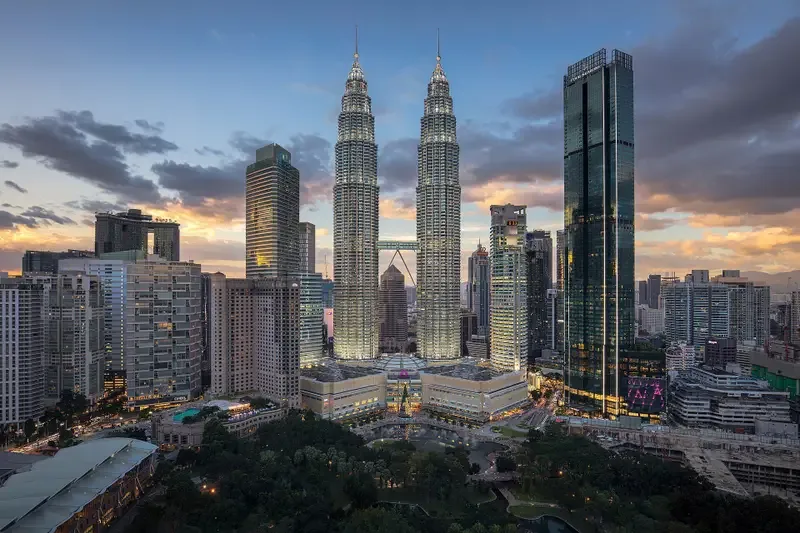
Three pest environments inside one city. Pre-war shophouses and wet markets around Chow Kit, Pudu, Petaling Street and Jalan Alor, with shared party walls, covered back lanes and grease traps. Then 1960s to 1980s terraces in Bangsar, TTDI, Sri Hartamas, OUG and Cheras, with timber roof trusses at termite age. Then the high-rise core: KLCC, Bukit Bintang, Mont Kiara, KL Sentral and Bukit Jalil, where central refuse chutes, basement carparks and F&B podiums carry the problem between floors.
Pests that come up most
Neighbourhoods: Bukit Bintang, KLCC, Chow Kit, Pudu, Sentul, Kepong, Cheras, Wangsa Maju, Bangsar, TTDI, Mont Kiara, Sri Hartamas, OUG, Bukit Jalil
Who we work for here: Owner occupiers of 40 to 70 year old landed houses, shoplot and restaurant operators in SS2 and Damansara Uptown, management corporations in the Kelana Jaya and Damansara Perdana high-rises, and landlords preparing a handover.
Malaysia’s first planned new town, and the age shows. Old Town, Sections 14, 17 and 19 and Kampung Tunku are 1950s to 1970s terraces with timber structures and original drainage. SS2, Damansara Utama and Taman Megah are dense shoplot rows sitting on covered commercial drains. Damansara Perdana, Bandar Utama, Mutiara Damansara and Kelana Jaya add the newer high-rise and the bin room and chute work that comes with it.
Pests that come up most
Neighbourhoods: Old Town, Sections 14, 17, 19 and 51A, SS2, Damansara Jaya, Damansara Utama, Taman Megah, Kampung Tunku, Kelana Jaya, Bandar Utama, Mutiara Damansara, Damansara Perdana
Who we work for here: Shoplot and food court tenants, factory and warehouse managers in Taman Perindustrian Puchong Utama, homeowners in the 1980s and 1990s landed housing, and landlords in the tenanted condominium market.
A former tin mining district built out through the 1980s and 1990s, so the oldest housing is now at termite and re-roofing age. Bandar Puteri and Bandar Puchong Jaya are dense commercial squares with ground floor food courts. Taman Kinrara, Taman Wawasan and Puchong Perdana hold the landed stock. Taman Perindustrian Puchong Utama adds factories, warehouses and worker canteens. Puchong sits under MBSJ rather than MBPJ, which matters when a licence or an inspection is involved.
Pests that come up most
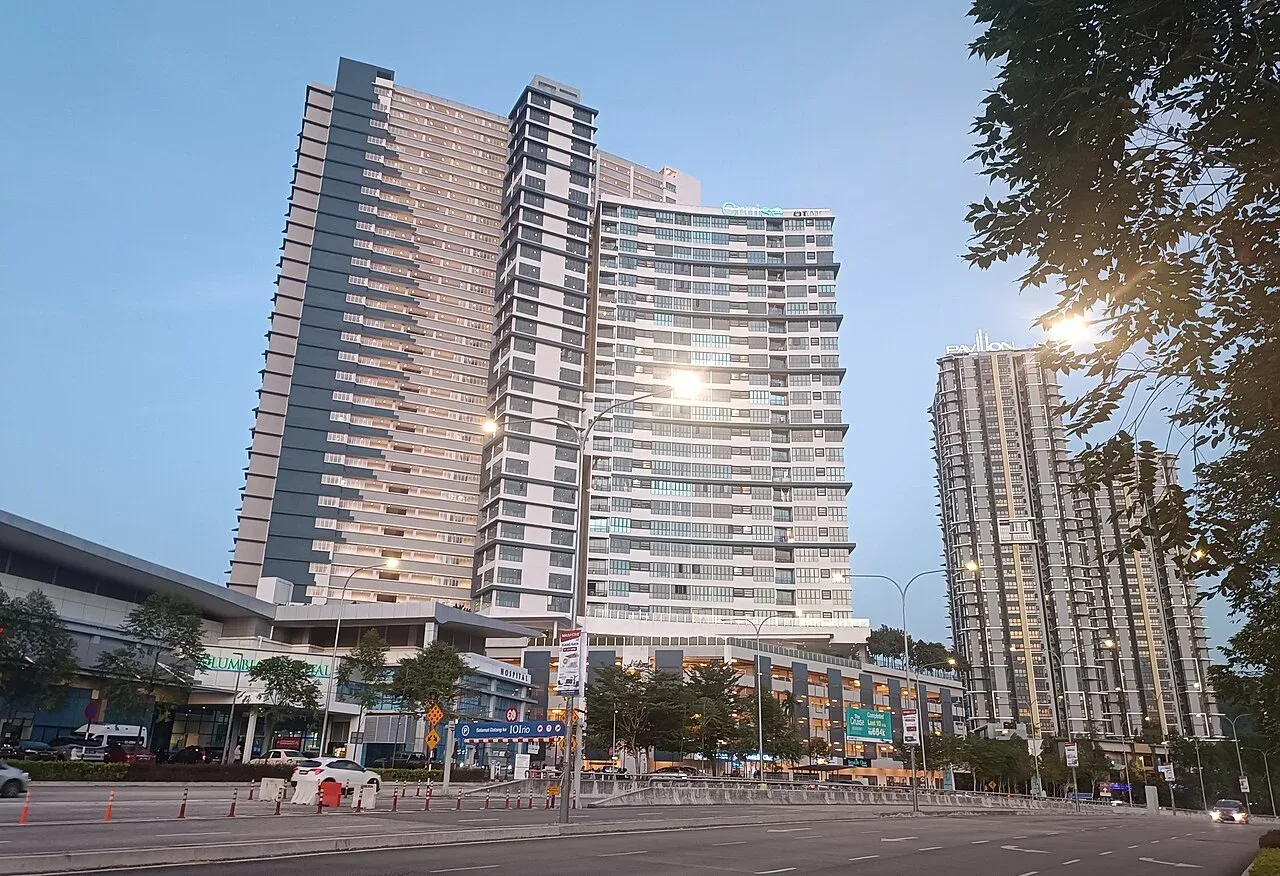
Neighbourhoods: Bandar Puteri, Bandar Puchong Jaya, Bandar Kinrara, Taman Kinrara, Taman Wawasan, Puchong Perdana, Puchong Utama, Taman Putra Perdana, Setia Walk, IOI Mall area
Who we work for here: Owners of ageing SS series terraces, cafe and shoplot operators around SS15, small landlords renting to students, and high-rise management offices in USJ and Putra Heights.
Two townships under one name. SS12 to SS19 were developed from 1976 and completed in 1988, so those terraces are around 40 years old, with timber roof trusses, timber door frames and original drainage. USJ 1 to 27 and Putra Heights came after, and are a different problem again. SS15 is the commercial and student core, minutes from Taylor’s and INTI, with a cafe strip on Jalan SS15/4, converted shoplots and constant tenant turnover.
Pests that come up most
Neighbourhoods: SS12 to SS19, USJ 1 to 27, Putra Heights, SS15, SS18, Taipan USJ 10, Subang Parade area, Main Place USJ 21, Da Men
Who we work for here: Factory and warehouse HSE, QA and facilities managers first, which is unusual for a location page. Then Seksyen housing homeowners, i-City and Section 7 F&B, Kota Kemuning and Setia Alam families, and MBSA licensed premises.
Selangor’s manufacturing capital, and the pest work here is industrial before it is residential. HICOM-Glenmarie in Section U1, HICOM Industrial Estate in Section 26 and the industrial Sections 15, 16, 22, 23 and 25 hold manufacturing, distribution and food grade plants. Residential runs in clear vintages: the PKNS numbered Seksyen housing is the oldest stock, then Kota Kemuning from 1994, Bukit Jelutong from 1996 and Setia Alam from 2004. Landed dominates and is mostly owner occupied.
Pests that come up most
Neighbourhoods: Section U1 HICOM-Glenmarie, Section 26 HICOM, Sections 13, 15, 16, 22, 23 and 25, Seksyen 7 and i-City, Seksyen 9, 13, 17, 19 and 24, Kota Kemuning, Bukit Jelutong, Setia Alam
Who we work for here: Logistics and bonded warehouse managers around Port Klang, factory operators in Kapar, Meru and Pandamaran, kedai makan operators in the old town under MBDK enforcement, market traders, and homeowners in the older taman and kampung housing.
A port and heavy industry town rather than a suburb. Port Klang Free Zone, Northport and Westport bring bonded warehouses and freight forwarders operating under customs and quarantine regimes. The industrial belt runs through Bukit Raja, Kapar, Meru and Pandamaran. The old urban core has genuinely old shoplots and a network of MBDK public markets, and residential ranges from Teluk Pulai, Taman Sri Andalas and Pandamaran to newer Bandar Bukit Raja.
Pests that come up most
Neighbourhoods: Port Klang, Port Klang Free Zone, Northport and Westport, Bukit Raja, Kapar, Meru, Pandamaran, Klang town, Teluk Pulai, Bandar Baru Klang, Taman Sri Andalas, Taman Klang Utama, Taman Aman Perdana, Bandar Bukit Raja
Who we work for here: Owners of 20 to 30 year old landed houses in the established taman, buyers taking handover in the newer townships, contractors who need soil treatment before a slab is poured, and shoplot, satay and restaurant operators in the old town.
Three property layers in one town: the heritage core around Bandar Kajang, the premium newer stock in Kajang 2, and the transit linked growth around Sungai Chua. Bandar Teknologi Kajang alone runs to hundreds of landed houses, most now at termite and re-roofing age, and townships like Bandar Sungai Long were cut out of rubber estate from 1989. MPKj now covers 1.1 million people and expects city status within about 18 months. Behind the wet market, the shoplot rows on Jalan Changkat hold food businesses that have traded for twenty years and more.
Pests that come up most
Neighbourhoods: Bandar Kajang, Kajang 2, Sungai Chua, Bandar Teknologi Kajang, Bandar Sungai Long, Taman Sepakat Indah, Taman Kantan Permai, Taman Cuepacs, Bandar Sri Putra, Semenyih fringe
Who we work for here: High-rise residents, landlords and management bodies first, then F&B and wholesale food trade operators around the wholesale market and the shoplot rows, then owners of the older landed houses in the Serdang taman.
It started in 1950 as Serdang New Village and now holds about 130,000 people, most of them in strata housing rather than landed. Taman Puncak Jalil alone was launched across roughly 800 acres with more than 11,600 residential and commercial units. Bandar Putra Permai covers the southern half and contains Taman Equine, Taman Lestari Perdana and Kota Perdana. Two MRT stations, The Mines, AEON Equine Park, South City Plaza and Putra Walk sit inside it, and its address is split across three different local councils depending on which side of the town you are on.
Pests that come up most
Neighbourhoods: Taman Equine, Bandar Putra Permai, Taman Puncak Jalil, Taman Lestari Perdana, Kota Perdana, Taman Bukit Serdang, Taman Serdang Raya, Taman Sungai Besi Indah, Mines Wellness City, the wholesale market area
Who we work for here: Facility and building managers in the office towers and business parks, condominium and serviced residence management offices, student accommodation and campus facilities teams, data centre operators, ground floor cafes, and homeowners in the landed precincts.
A planned tech city in Sepang district, addressed by Cyber 1 to 12 and run jointly by MPSepang and Cyberview. The commercial stock is office towers and ICT business parks: Shaftsbury Square, MKN Embassy Techzone, Tamarind Square, Galleria and MCMC Tower, plus one of the country’s biggest data centre clusters. Residential is mostly high-rise and serviced apartments such as Mutiara Ville, Solstice and Tamarind Suites, with landed enclaves like Symphony Hills, and a large student population across MMU, Limkokwing and University of Cyberjaya with purpose built blocks around them.
Pests that come up most
Neighbourhoods: Cyber 1 to Cyber 12, Shaftsbury Square, MKN Embassy Techzone, Tamarind Square, Symphony Hills, Mutiara Ville, Garden Residence, Tamarind Suites, the MMU, Limkokwing and University of Cyberjaya campuses
Who we work for here: Government procurement and agency facility units first, then the facility management contractors running ministry towers and quarters complexes, hotel and MICE engineering teams, high-rise management bodies, medan selera and F&B operators under PPj licensing, and homeowners in the landed garden precincts.
The federal administrative capital, laid out as Presint 1 to 20: government and civic buildings in the core, housing, parks and community facilities around them, and roughly 67,000 planned homes. Ministry complexes, PICC, government quarters managed as a portfolio, a cluster of large hotels, Heriot-Watt’s Malaysia campus, and an unusual amount of managed landscape, including the 650 hectare lake, the Presint 16 wetlands park and Taman Botani in Presint 1.
Pests that come up most
Neighbourhoods: Presint 1 to 20, including Presint 4, 9, 14, 16 and 18, the ministry complexes, government quarters, medan selera, the Putrajaya hotel cluster, Taman Botani and the wetlands park precinct
Who we work for here: Recent buyers in the landed townships, developers and main contractors buying pre-construction soil treatment, warehouse and factory managers in the industrial parks, and shoplot owners in the old town.
Selangor’s second tin mining area from about 1825, then rubber and oil palm once tin collapsed, then the country’s first cement works in 1953. Nearly 200,000 people now, under MPS Selayang. Bandar Country Homes is the anchor township, thirteen precincts across 700 freehold acres, alongside Bandar Tasik Puteri, Kota Emerald, Rawang Perdana and Bandar Seri Coalfields. The new build pipeline is live and large, with two billion ringgit and one and a quarter billion ringgit projects in progress. Rawang Industrial Park, the integrated park, Kundang and Kuang add warehousing. And the 1,214 hectare Templer Park forest reserve with its limestone cliffs sits inside the town, with housing pushing up to its boundary.
Pests that come up most
Neighbourhoods: Rawang town, Bandar Country Homes, Bandar Tasik Puteri, Kota Emerald, Rawang Perdana, Bandar Seri Coalfields, Kundang, Kuang, Sungai Buaya, the Templer Park and Serendah fringes, Rawang Industrial Park
Outside these eleven? We also work in Bangi, Cheras, Ampang, Damansara, Sungai Buloh, Jenjarom and the KLIA area. Call and ask.
Quick Answer: Wherever you are, the job runs the same way: a free inspection, a written quote, a licensed technician, a written report with a review date and a call-back within 48 hours.
Tell us your area and we will send someone who knows it
Book a free inspection. A licensed technician walks the property, names what is there and sends a written quote covering the treatment, the follow-up visit and the warranty terms.