
Last updated: 22 September 2026
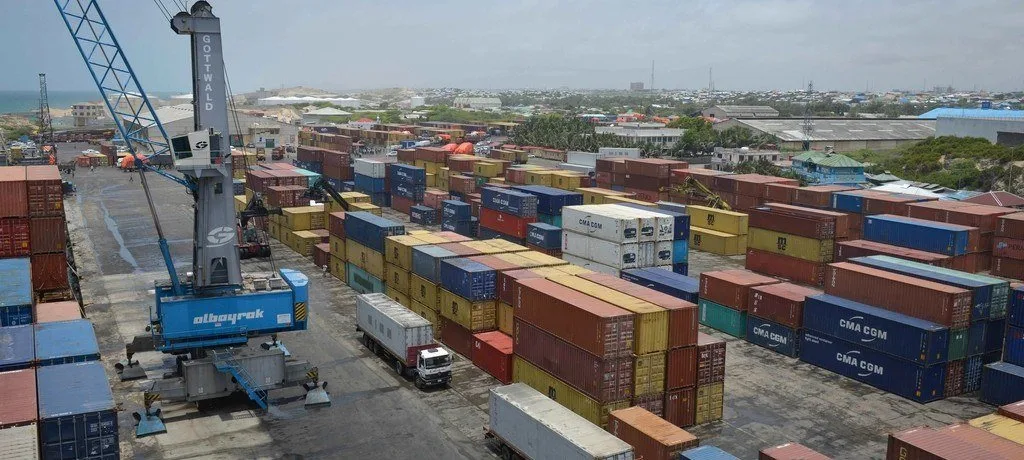
A container yard, a bus depot and a rail station look nothing alike. They share one problem. Things arrive from somewhere else every hour, and some of them bring pests along. A cockroach in one coach can be in five towns by the weekend.
This page covers how our logistics pest control services work for moving assets: what each type of site needs, why containers carry pests, how the 400-metre rule works around ports and airports, and how we treat a vehicle without taking it off the road for long. Two of the country’s best-known transport names, Malaysia Airlines and KTM, are among NPC’s clients, and we have worked across KL and Selangor for more than 15 years. The promise is simple: proven, effective results, backed by a written warranty.
Found cockroaches on a bus or in a depot canteen?
Log the unit number and leave it to us. We treat at the depot, around your rota.
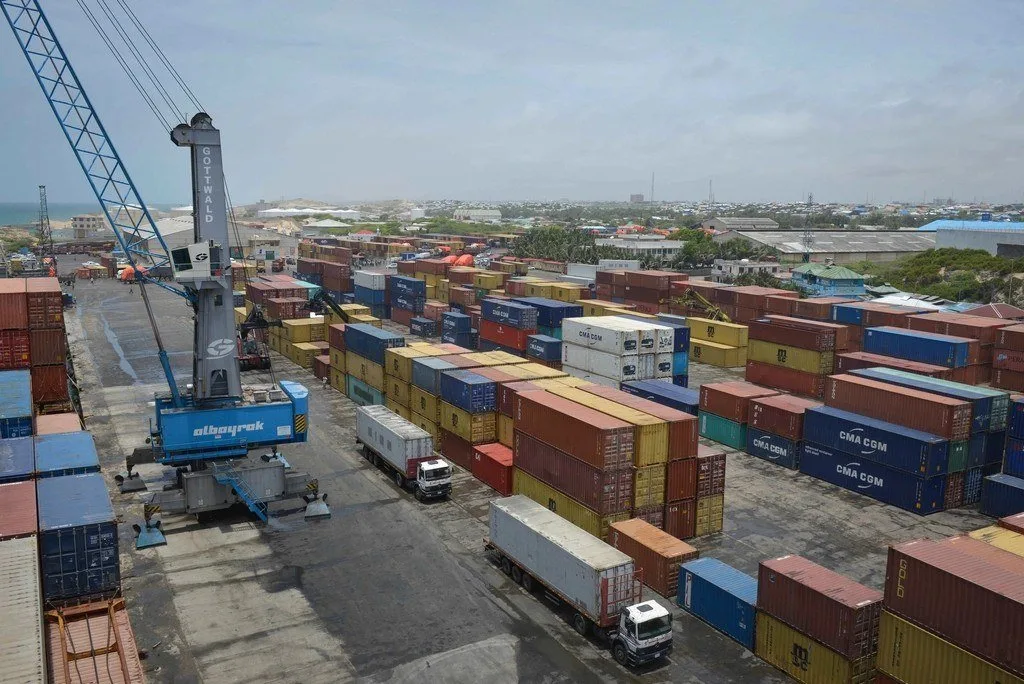
Quick Answer: Logistics pest control covers yards, depots, terminals, offices and the vehicles that move between them. Each site type has its own main pest. It sits inside our wider commercial pest control service, and we plan each site by zone.
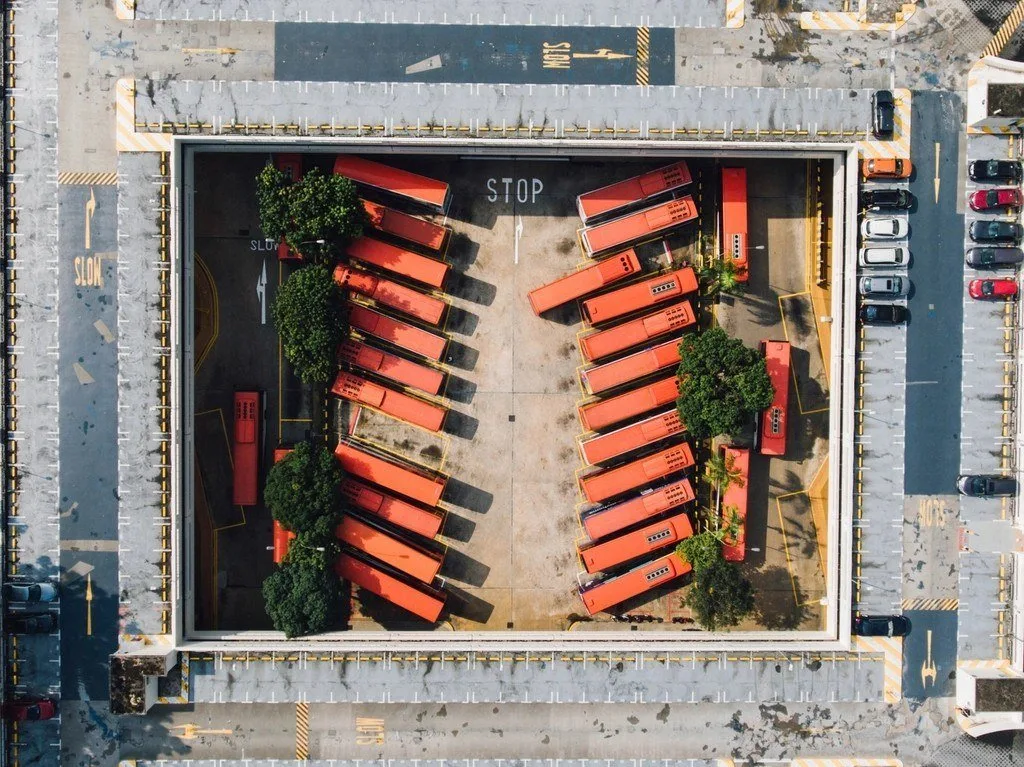
Transport and Logistics Sites: Main Pest and What We Use
| Site | Main pest risk | What we use |
|---|---|---|
| Container yard | Rats, hitchhiking insects, mosquitoes | Locked bait stations, larviciding |
| Bus and coach depot | Cockroaches, rats, bed bugs | Gel in vehicles, perimeter baiting |
| Rail depot and stations | Rats, cockroaches, flies | Drain work, gel, monitors |
| Airport and terminal buildings | Cockroaches, ants, mosquitoes | Gel, traps, larviciding outside |
| Courier and cargo hubs | Rats, cockroaches, ants | Numbered stations, gel, monitors |
| Lorries and vans | Cockroaches, rats in parked units | Gel in cabs, depot perimeter work |
Source: NPC Pest Control, transport and logistics site plans in KL and Selangor, 2024–2026.
A warehouse with racking and a busy loading dock is closer to a factory, and follows our factory pest control routine. This page is about the parts that move: containers, fleets and the places passengers pass through.
Key takeaway: Plan by zone and by vehicle. A clean depot does not help if the coaches parked in it carry cockroaches from route to route.
Quick Answer: Yes. A New Zealand survey found live insects or other hitchhikers inside about one in ten loaded containers. Most outside contamination sat on the underside, where nobody looks. Good logistics pest control services start by checking the box, not just the cargo. For rats around stacks, see rat control.
New Zealand’s biosecurity team checked containers arriving at its ports in 2006, in a survey later shared through the IPPC. About 18% of loaded containers had something inside that should not have been there: insects, spiders, snails, seeds or soil. Live hitchhikers were found in about 10%. The survey also found that on-wharf checks missed most of the outside dirt. The reason was simple. They rarely looked underneath.
Where Outside Contamination Was Found on Sea Containers
| Location on the container | Share of contaminants | Per cent |
|---|---|---|
| Underside | 44.1% | |
| Lower ledges | 27.1% | |
| Sides | 9.4% | |
| Forklift slots | 6.5% | |
| Door | 5.8% | |
| Roof | 4.6% | |
| Twist-lock holes | 2.4% |
Source: NZ MAF Biosecurity Monitoring Group, Sea Container Pathway Review, 2006 (417 contaminants found at three sites).
Seven in ten outside finds were on the underside or the lower ledges. So the useful check in a yard is low down. Look under the box and along the bottom rail, and sweep the floor once it is empty. A container that goes back into the stack dirty carries the same pests to the next customer.
One thing we do not do is fumigate cargo for export papers. That is work for approved fumigation providers. Our job is the ground around the cargo, so pests that step off a container find nowhere to settle.
Key takeaway: Check the underside and the bottom rail, then sweep the empty floor. That is where most hitchhikers were found.
Quick Answer: The World Health Organization asks countries to keep a vector-free zone of at least 400 metres around the working areas of ports, airports and border crossings. For tenants near those sites, logistics pest control means keeping mosquitoes and rats from breeding on your plot. See mosquito control.
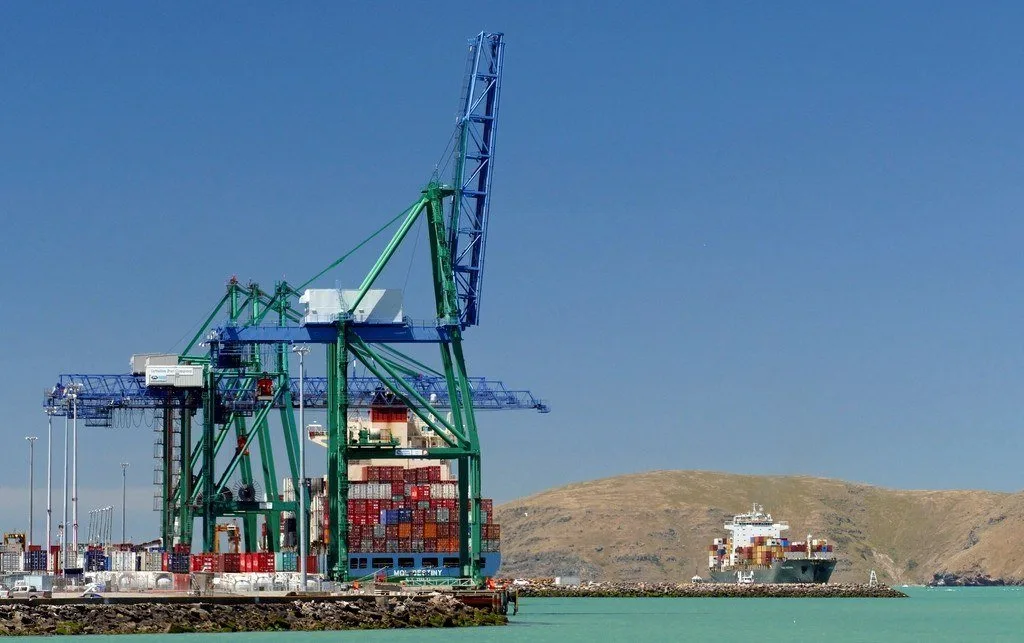
The rule comes from the International Health Regulations. A WHO guide on points of entry explains why: ships, aircraft and other transport carry disease vectors from one country to another. Mosquitoes that spread dengue are the main worry in Malaysia, along with rats.
Health authorities check the zone. But the water is often on private ground inside it: a cargo shed roof gutter, stacked tyres, a tarp over a pallet, a blocked drain in a container yard. That is the part a tenant can fix.
Key takeaway: If your site is near a port or airport, you are probably inside someone’s 400-metre zone. Your drains and gutters count.
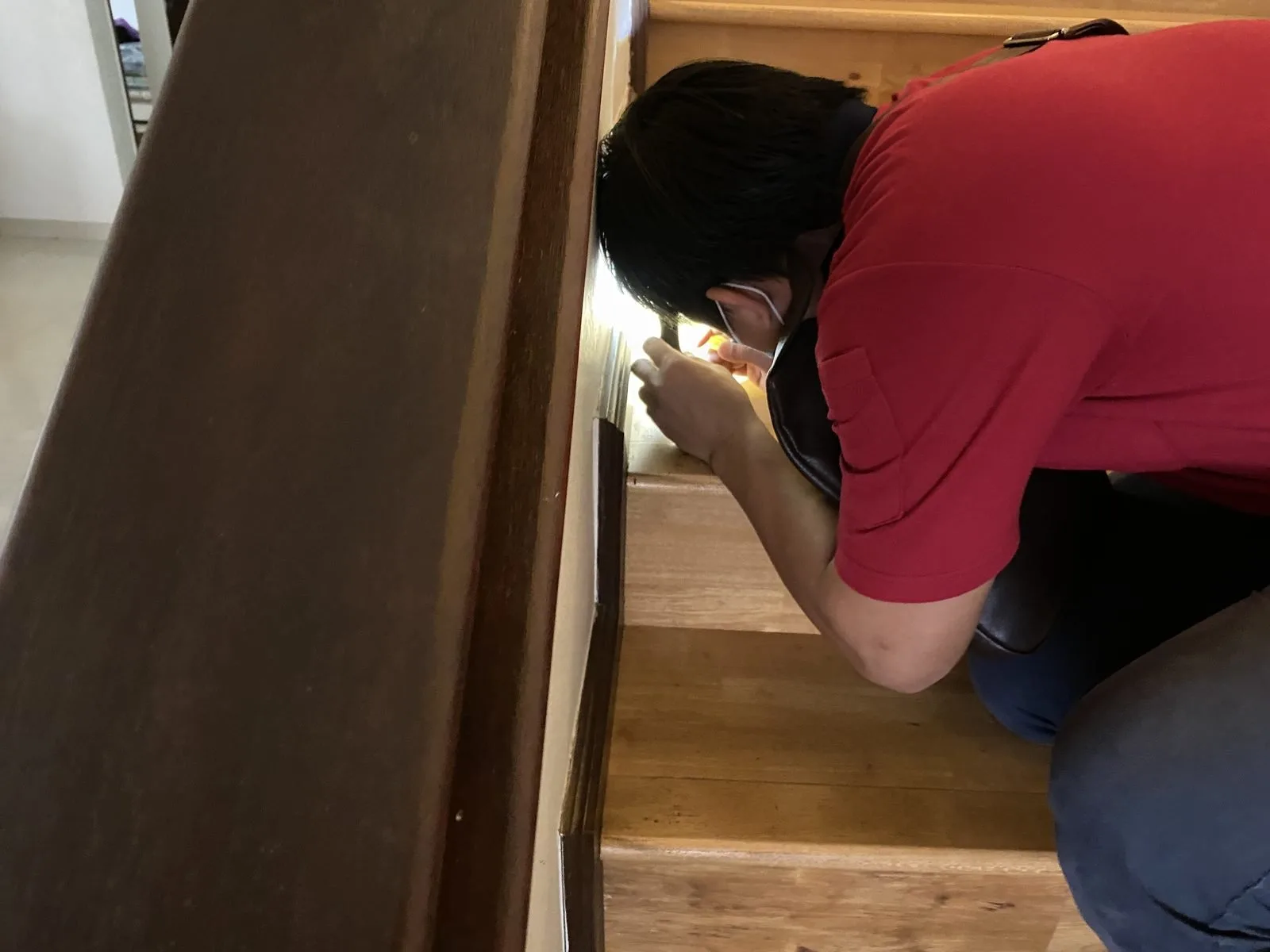
Quick Answer: At the depot, with no open spraying in the passenger space. Gel goes into cracks, seats are vacuumed where bed bugs are found, and the unit is rechecked on the next visit. Our cockroach control and bed bug control pages cover each pest in detail.
Where Pests Hide in a Passenger Vehicle
| Spot | Usual pest | First sign |
|---|---|---|
| Seat seams and cushions | Bed bugs | Small dark spots, bites reported |
| Luggage racks and panels | Cockroaches | Droppings like pepper, egg cases |
| Pantry or snack area | Cockroaches, ants | Live insects at night, ant trails |
| Driver’s cab and dashboard | Cockroaches | Insects near the heater and wiring |
| Engine bay (parked units) | Rats | Chewed wires, nest material |
| Floor channels and drains | Cockroaches, flies | Smell, insects at the drain |
Source: NPC Pest Control, vehicle inspections in KL and Selangor, 2024–2026.
Key takeaway: Give us the unit number, not just “a bus”. It turns a fleet-wide hunt into a single visit.
Need a plan that fits your fleet rota?
We can survey the depot and the vehicles, then send a written quote with visit times that suit your schedule. The survey is free.
Quick Answer: A parked lorry or bus is warm, dark and quiet, and a depot canteen gives rats food nearby. Rats chew wires to keep their teeth short. Logistics pest control keeps bait outside, along the perimeter. For sealing gaps, see rat-proofing.

The risk goes up with how long a vehicle sits. A coach used every day rarely gets a nest. A spare unit parked for three weeks at the back of the yard often does. Food wrappers left in the cab make it worse.
Key takeaway: The spare bus at the back of the yard is the one to check. Rats pick the vehicle that never moves.
Quick Answer: Passenger areas get the quiet methods: gel, traps and monitors, fitted at night or off-peak. Food outlets, toilets and drains are where problems start. Logistics pest control services should work around your opening hours, not close the site.
Key takeaway: Treat the concourse as one site. The cockroach in the café is usually living in the shared drain behind it.
Quick Answer: Most sites start monthly, with call-outs when staff report a sighting. There is no list rate. Logistics pest control services are quoted after a free site survey, in writing.
Relative Service Load by Transport Site
| Site type | Why the load differs | Typical starting frequency |
|---|---|---|
| Bus, coach or rail depot with fleet | Vehicles plus buildings, night work | Monthly, plus call-outs |
| Terminal or station with food outlets | Many outlets, shared drains | Monthly |
| Container yard or cargo hub | Large perimeter, stacked boxes | Monthly |
| Small fleet yard or courier depot | Few buildings, fewer vehicles | Monthly to every two months |
Source: NPC Pest Control, transport and logistics jobs in KL and Selangor, 2024–2026. Frequency is set at the survey.
What moves the quote most:
Key takeaway: Ask for the number of vehicles and bait stations in the quote. It shows what each visit really covers.
Quick Answer: Pick a licensed operator that can treat vehicles at the depot, work nights and keep a record per unit. Our licence copies are on the certificate page.
Key takeaway: Ask one question at the pitch: how will you reach our vehicles? If the answer is “bring them to us”, keep looking.
Quick Answer: Good logistics pest control services check containers low down, treat vehicles at the depot and keep your plot free of breeding sites. NPC covers KL and Selangor, most often Puchong, Seri Kembangan, Serdang, Subang Jaya, USJ, Shah Alam and PJ, as well as Cheras. See all our pest control services.
Most transport sites need several pests covered under one plan and one record. Related services: termite control, cockroach control, rat control, ant control, bed bug control, flea and tick control, mosquito control and fly control. We also provide disinfection and sanitising services, and pest control certificate renewal for F&B and medical premises. For transport and logistics pest control in Malaysia, call 03 8061 1875 or WhatsApp 016 335 9799, Monday to Saturday, 9am to 6pm.
Both. We treat depots, yards, terminals and offices, and the vehicles parked there: buses, coaches, rail carriages and lorries. Vehicle work is done at the depot, planned around your rota.
Yes. Inside the passenger space we use gel bait in cracks, traps and vacuuming. Residual spray is kept to the chassis area, depot walls, drains and outside areas.
No. Fumigation for export certificates is done by approved fumigation providers. Our work is the ground around the cargo: the yard, depot, warehouse, fleet and canteen, so pests do not settle there.
Most depots start with monthly visits, plus call-outs when staff report a sighting. Busy hubs with food on site may need more. The site survey sets the schedule.
Tell us. Activity in a treated area during the contract is re-treated at no charge. If you report a problem, we come back within 48 hours, and the visit goes into your service record.
The short video below, from Australia’s agriculture department, shows the pests that hitch a ride on sea containers and why clean containers matter.

Want a pest plan that keeps your fleet on the road?
Book a free site survey. A licensed technician walks your depot, yard and vehicles, then sends a written quote covering zones, units, visit times, records and warranty terms.