
Last updated: 28 September 2026
If you live in a high-rise here and you have treated your own unit twice, the problem is not the treatment.
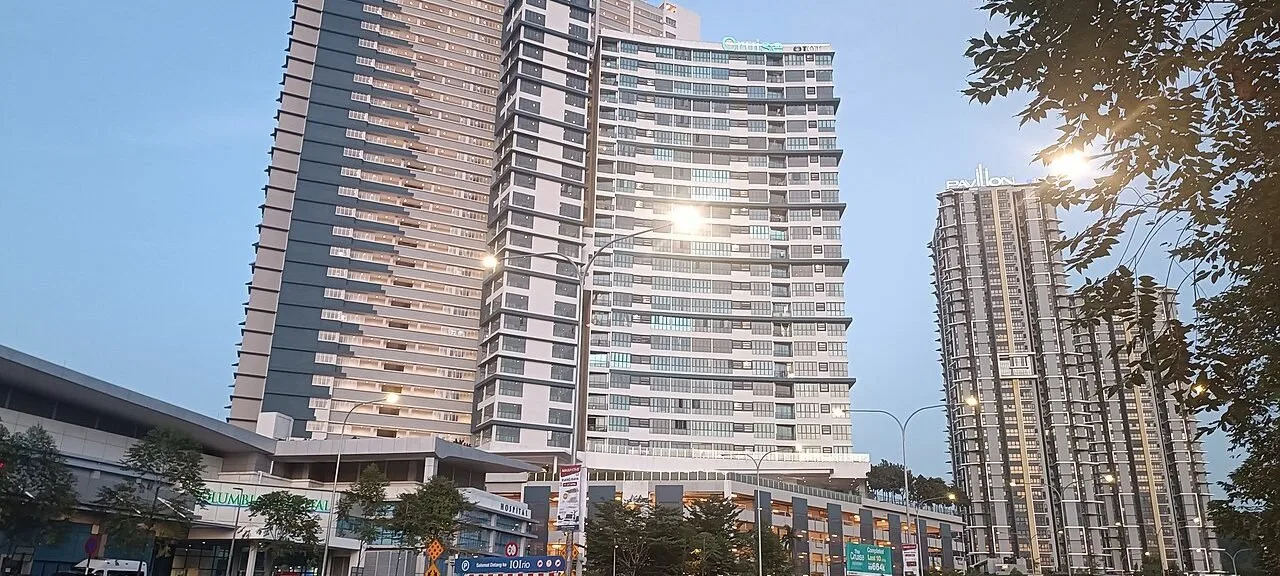
Seri Kembangan started in 1950 as Serdang New Village and now holds around 130,000 people, most of them in strata rather than landed housing. Taman Puncak Jalil alone was launched across roughly 800 acres with more than 11,600 residential and commercial units. In buildings at that scale, cockroaches and rodents live in the shared structure, the chute room, the riser, the bin compound, and individual units are just where they are seen.
The second thing that belongs only to this town is the wholesale market: a large complex trading 24 hours a day, feeding restaurants and smaller markets across the valley. Continuous operation means there is never a quiet window to clear and treat the whole site at once, so rodent work there has to be built around live trading.
Treated your unit and the cockroaches came back?
In a strata block the reservoir is usually the chute or the riser. A technician can confirm it in one visit.
Quick Answer: Because the population lives in the shared structure. Refuse chutes, chute rooms, service risers and adjoining units connect every unit in a stack, so a treated unit is reinfested from next door within weeks. The fix is a block schedule agreed with the management body.
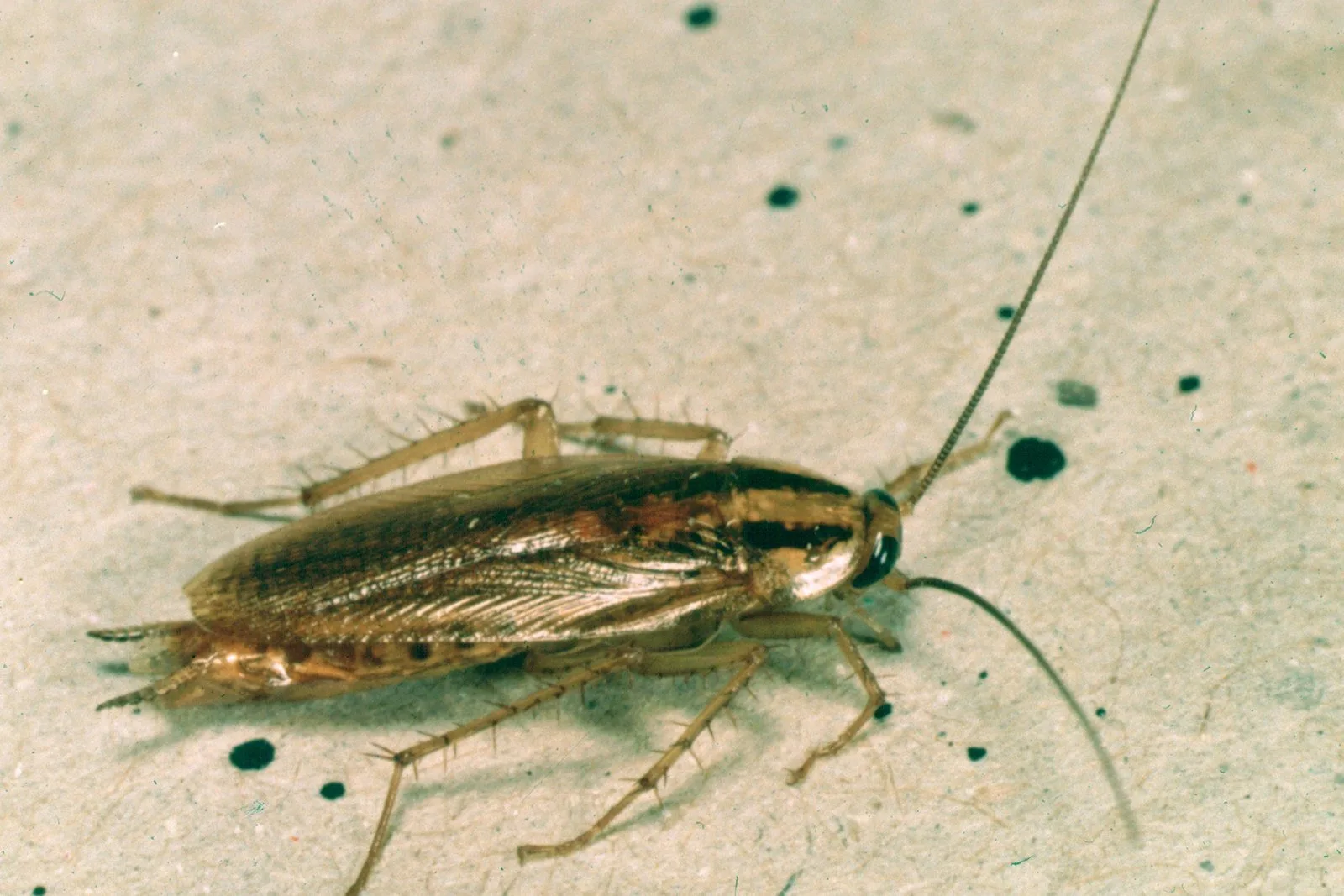
A German cockroach population in a residential tower is usually centred on the chute room and the riser, with units colonised outward from there. Rodents use the same routes plus the basement carpark and the bin compound. Treat unit 12-3 and you have treated the symptom in one place while the source carries on two floors down.
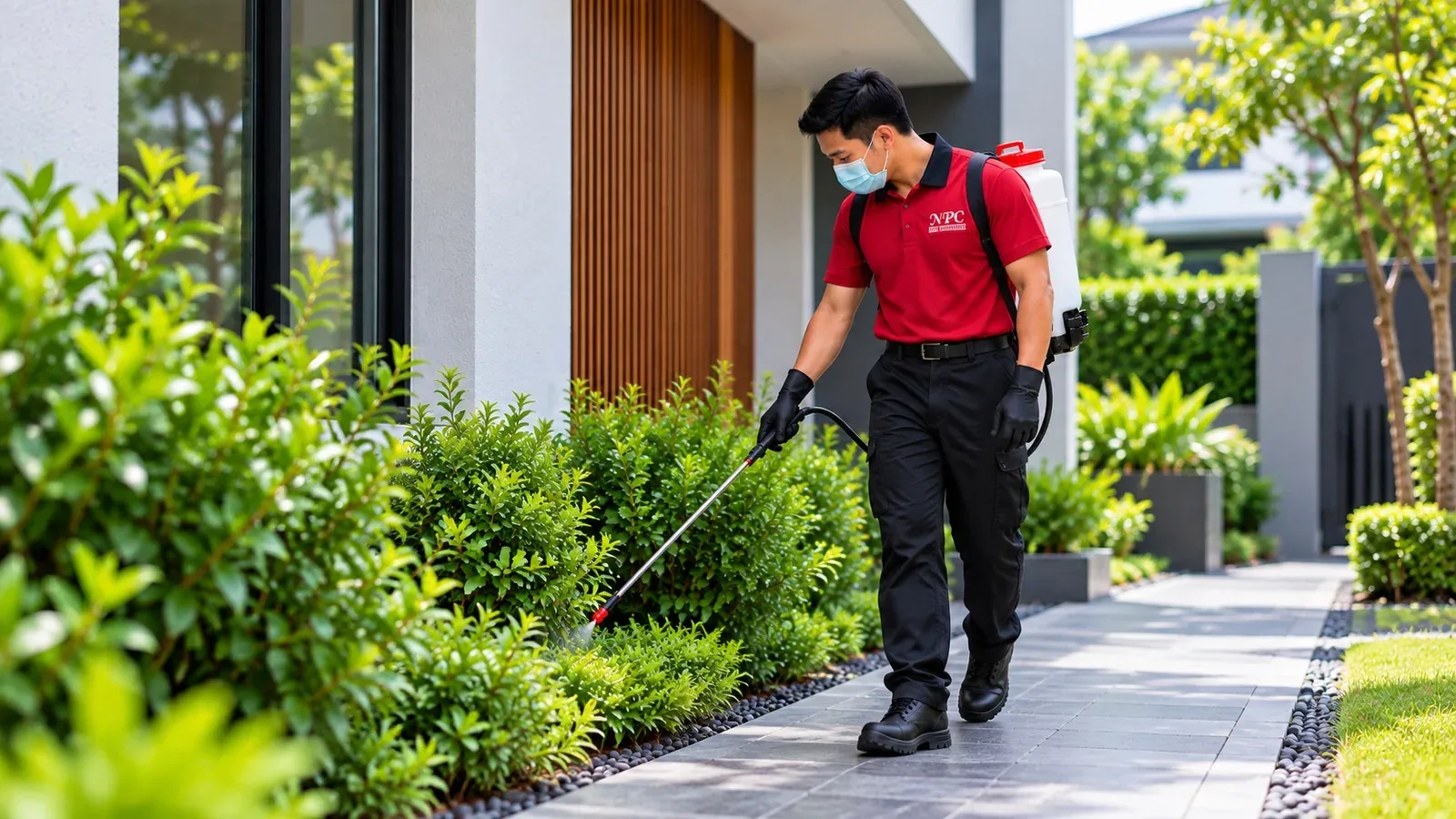
That makes the management body part of the solution rather than an obstacle. The workable arrangement is a schedule covering chute rooms, risers, the bin compound, the carpark and the landscaped grounds, with the affected stacks treated together and a report going to the management office after each visit. Individual owners can still book their own unit, and we will say plainly when that alone is unlikely to hold.
Key takeaway: One unit, one result that lasts a few weeks. One block schedule, a result you can measure. Bring it to the management body.
Quick Answer: Strata blocks and their management bodies, rented high-rise units, the wholesale market and food supply trade, and the older landed taman around Serdang.
Strata dominates, but the market corridor and the older landed housing bring their own jobs.
Quick Answer: Cockroaches and rodents in strata structure, bed bugs in rented units, rats around the wholesale market and its supply chain, Aedes mosquitoes, and termites in the older landed housing.
Strata first, because that is where most of the town lives.
Quick Answer: The wholesale market trades around the clock, so there is no shutdown window and rodent work has to be zoned around live trading. Seri Kembangan addresses also fall under different local councils depending on which side of the town you are on, which decides who licenses your premises.
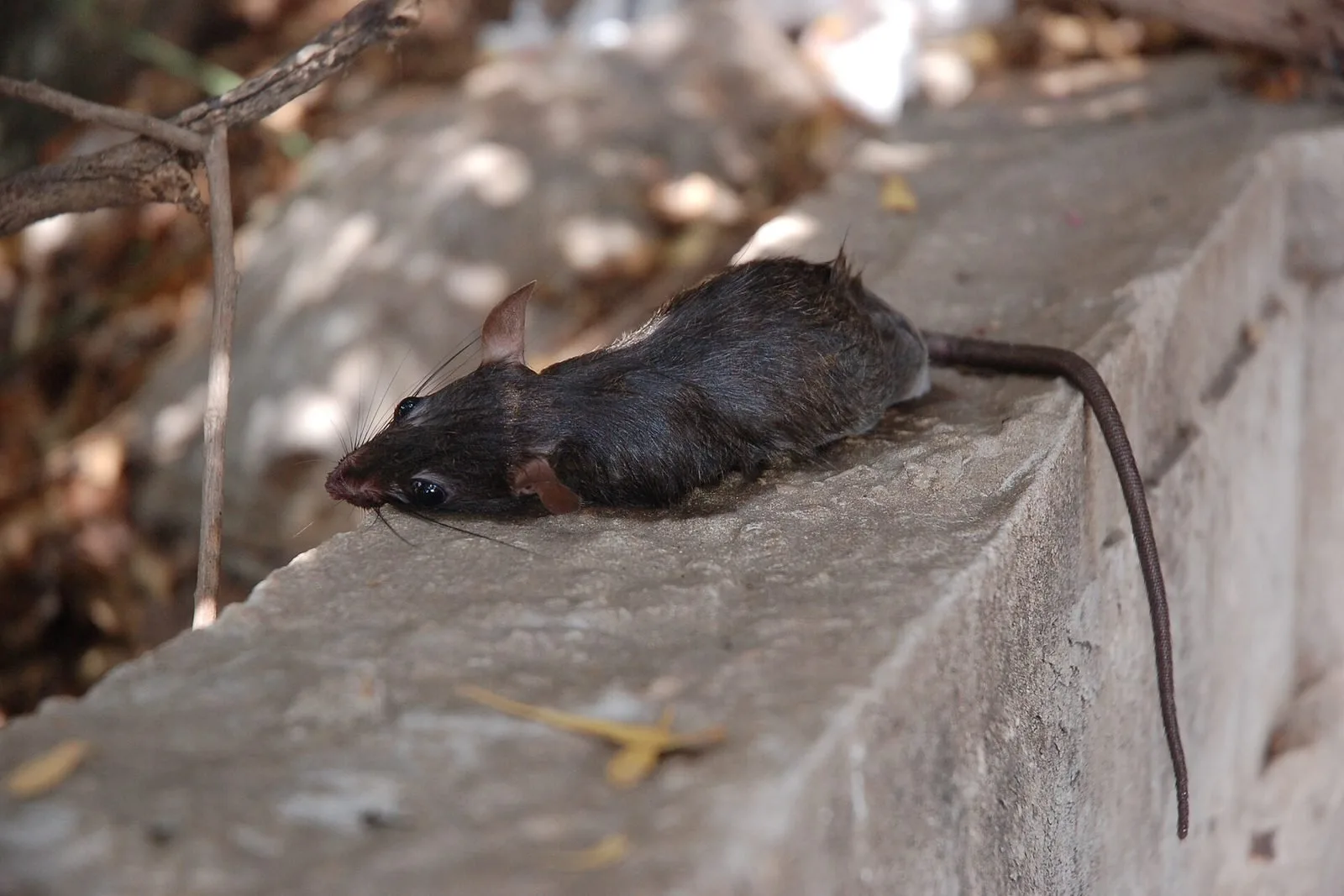
A 24 hour food market is a permanent food supply with permanent access. The sites that hold their rodent numbers down do three things: keep waste in sealed, off-ground storage with a fixed collection time, close the structural gaps at shutters, drains and service penetrations, and run a monitored station ring outside that is checked on a schedule rather than when someone complains. We have not found a published rodent incident report for this market and we do not claim one; the argument here is from how the site operates, which is visible to anyone who walks it.
The council question is practical rather than academic. Which local authority covers your address determines who licenses the premises, who inspects it and which format of record you should be keeping. If you are unsure, tell us the address and we will confirm it before quoting, because it changes what the logbook needs to show.
For the residential side, Petaling district recorded 11,988 dengue cases to week 38 of 2026, up 82.1 per cent year on year. In strata, source reduction means the podium, the planters and the roof drainage as much as anybody’s balcony.
Key takeaway: For a food business here, sort out waste storage and structural gaps first. Bait without those two is a running cost with no end date.
Quick Answer: Free inspection, written quote, licensed technician, written report with a review date, and a call back within 48 hours if the pest is active again inside the contract period.
Quick Answer: NPC has been a licensed pest control operator since 2006, holds Department of Agriculture licences and a Ministry of Finance supplier registration, and issues the pest control certificate councils and management bodies ask for.
Quick Answer: Seri Kembangan sits between our Puchong office, Kajang and southern KL, and multi-site clients along that corridor run one contract with one reporting format.
A strata job here is usually cockroaches and rodents together, scoped to the block. Related services: termite control, cockroach control, rat control, ant control, bed bug control, mosquito control, fly control and flea and tick control. We also provide disinfection and sanitising, and pest control certificate renewal. See every area we cover on the service areas page. For seri kembangan pest control, call 03 8061 1875 or WhatsApp 016 335 9799, Monday to Saturday, 9am to 6pm.
A single unit treatment is priced per visit. A block contract is priced from the number of chute rooms, risers, bin compounds and carpark levels, and the visit frequency. Termite work in the landed taman is quoted after inspection. The inspection is free and the quote is written.
You can book your own unit and we will treat it properly. But if the source is the chute or the riser, we will tell you so in writing, so you have something to take to the management office. Lasting control in a block needs the shared structure included.
Because the population was never in your unit to begin with. In high-rise stock the reservoir is usually the chute room or the service riser, and your unit is being recolonised from it. Treating the stack and the shared areas is what changes that.
Yes, and between tenancies is the best time. We treat the unit and the units either side, because bed bugs move along shared walls, and we re-check before the next tenant moves in.
Yes. The site is zoned and worked section by section around live trading, with external stations and proofing doing most of the work, and checks scheduled at the quietest hours rather than requiring a shutdown.
It depends on the address, because the town is split across more than one local authority. Send us the address and we will confirm it before quoting, since it decides which licensing format your records need to follow.
Block-wide problem, or one unit?
Book a free inspection. A licensed technician checks the unit, the chute room, the riser and the bin compound, then sends a written quote covering the treatment, the reporting for the management office and the review visit.