
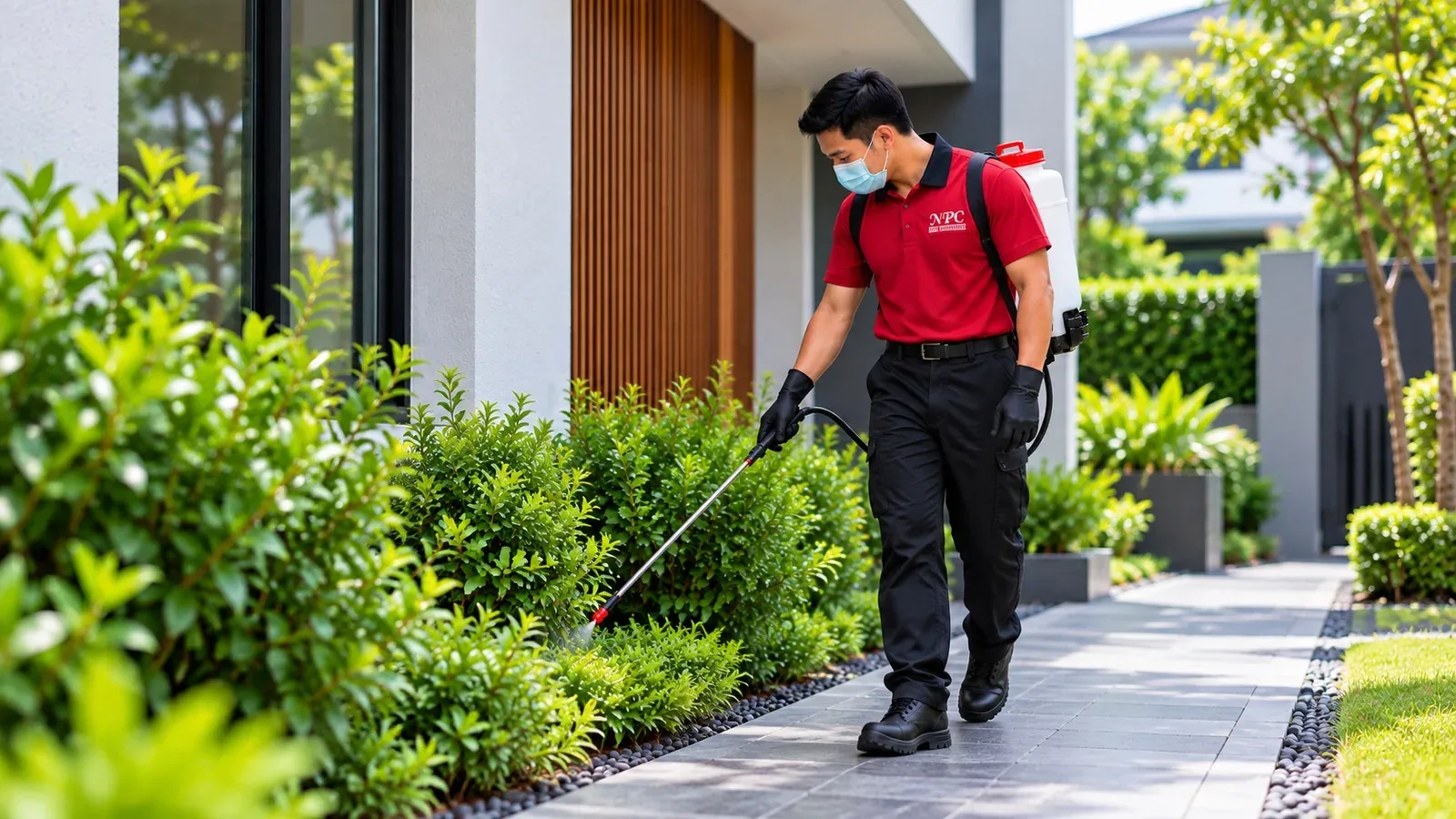
Last updated: 22 September 2026
Most kitchens that call us already have a fly trap on the wall. It is full, it has not been serviced in months, and the flies keep coming. The trap was never the problem. Nobody asked where the flies were breeding.
This page covers what our fly control services include, how to tell which fly you have, which treatment and which trap fit your premises, how long it takes and what the price depends on. Kitchens and production floors are the work we know best: Secret Recipe, KFC Holdings and Sony are all NPC clients, and we have worked across KL and Selangor for more than 15 years. The promise is simple: proven, effective results, backed by a written warranty.
Flies at the counter, or an inspection coming up?
Do not buy another trap first. A licensed technician can find where the flies breed and tell you what the premises actually needs.
Quick Answer: Four signs matter: flies at the counter, a full trap that nobody services, small flies around the drains, and a complaint or an inspection finding. Any one of them is worth a free site inspection the same week.
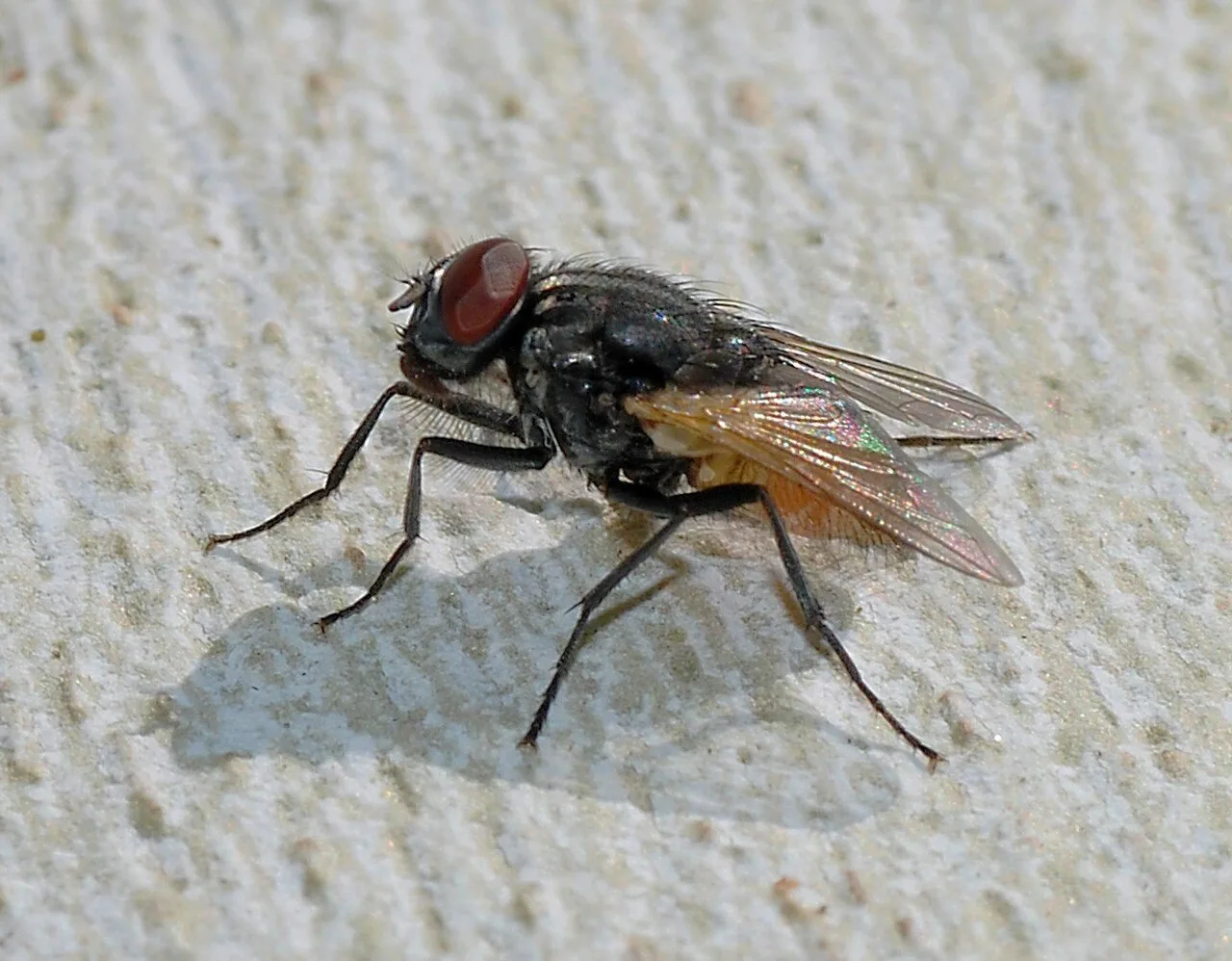
There is a health reason too. A review in BMC Public Health found that at least 130 pathogens have been isolated from the housefly. A fly that lands on a drain and then on a prep bench carries what it picked up.
Before you call, do not throw away the full glueboard. Put it in a bag and keep it for the technician. The flies on it tell us which species you have, and which trap caught the most tells us where to look first. A clean new board tells us nothing.
Key takeaway: The full glueboard is evidence, not rubbish. Keep it for the survey, and note which trap it came from.
Quick Answer: Most premises deal with one of three: houseflies from bins and waste, fruit flies from fermenting residue, and drain flies from the film inside drains. Each needs a different fix. Drains that feed flies often feed cockroaches too, which cockroach control covers.
Most failed fly jobs are really identification mistakes. A light trap goes up for what looks like a housefly problem, but the flies are coming from the floor drain. The trap fills, the drain keeps breeding and the kitchen pays for both. Blow flies near a meat store or a dead animal in the ceiling are a fourth case, and we trace those at the survey too.
Key takeaway: Small flies at the drain and big flies at the door are two different jobs. Name the fly first, or you buy the wrong fix twice.
Quick Answer: Good fly control services combine five methods: fly traps, scheduled glueboard changes, drain and source treatment, residual spray on resting surfaces, and proofing advice. Restaurants usually run these under pest control for restaurants.
Each method does a different job. Read the last column first.
Fly Control Methods Compared
| Method | What it involves | Best fit | Reaches the source? |
|---|---|---|---|
| Fly traps | UV units mounted by zone | Kitchens, prep rooms, corridors | No, adults only |
| Glueboard servicing | Boards changed, catch recorded | Any premises with traps | No, but it points to it |
| Drain and source treatment | Drains and grease traps stripped | Drain flies, fruit flies | Yes |
| Residual spray | Resting surfaces, after hours | Bin stores, loading bays | Partly |
| Screens and air curtains | Proofing advice on openings | Open shopfronts, factory doors | No, it stops arrivals |
Source: NPC Pest Control field practice, KL and Selangor, 2024–2026.
Residual spray is only applied where flies rest, such as bin store walls and rear corridors. It never goes on food contact surfaces, and it is done outside working hours. The cheapest fix on many shoplots is a back door that actually closes. We note the gaps at the survey even when the repair is not our work.
Key takeaway: Traps and glueboards manage flies for as long as you pay for them. The drain line is the one that ends the job.
Quick Answer: The inspection takes up to 90 minutes, installing traps one to three hours, and a routine service visit under an hour. A follow-up visit one to two weeks later checks the source was found. Contact NPC to book the first step.
Every NPC fly control job follows the same five steps:
Typical Time on Site, by Step
| Step | Time on site | Typical duration |
|---|---|---|
| Inspection and source trace | 45–90 min | |
| Trap installation | 1–3 hours | |
| Drain and grease trap treatment | 45 min–2 hours | |
| Routine glueboard service | 20–45 min | |
| Follow-up visit | 30–60 min |
Source: NPC Pest Control, typical jobs in KL and Selangor, 2024–2026.
The routine visit is short on purpose. The survey and the install take the time, because that is when trap positions are decided. A trap in the wrong spot catches flies for years without ever telling you where they come from.
Key takeaway: Most work is done before opening or after closing, so the kitchen keeps running. Tell us your prep hours when you book.
Quick Answer: Fly control services in Malaysia are quoted as two lines: the trap units, bought once, and the servicing, paid every visit. Zones, access and drain work change on every job. NPC gives you a written quote after a free site inspection.
A per-trap price over the phone should worry a food business. It assumes a trap count, positions and a service interval nobody has measured. The common mistake is buying only the first line. An unserviced trap is a full glueboard on a wall, and at an inspection it looks worse than no trap at all.
What Drives the Quote, by Premises Type
| Premises type | Trap units | Servicing | Drain work |
|---|---|---|---|
| Café or kopitiam | One or two units | Visit interval | Drain count |
| Restaurant with full kitchen | Zones covered | Units × interval | Grease trap access |
| Central kitchen | Industrial units | Frequent visits | Waste volume |
| Food or electronics factory | Zone mapping | Record standard | Drain run length |
| Home or condo unit | Rarely needed | One-off visit | Kitchen and bathroom drains |
Source: NPC Pest Control quoting practice, KL and Selangor, 2024–2026. Every job is quoted on inspection.
Key takeaway: Compare quotes on the servicing line, not the unit price. Units are bought once. The glueboards are what you pay for all year.
Need a figure before your next inspection?
We survey the premises, map trap positions and send a written quote with units, servicing and drain work as separate lines. The inspection is free.
Quick Answer: A commercial fly trap suits cafés and small kitchens. Industrial traps cover factory floors and loading bays. Advanced units are discreet glueboard traps for dining areas and prep rooms. NPC supplies all three, plus Original McQwin sticky glueboards, fitted and serviced by our team. Factories usually plan them under pest control for factories.
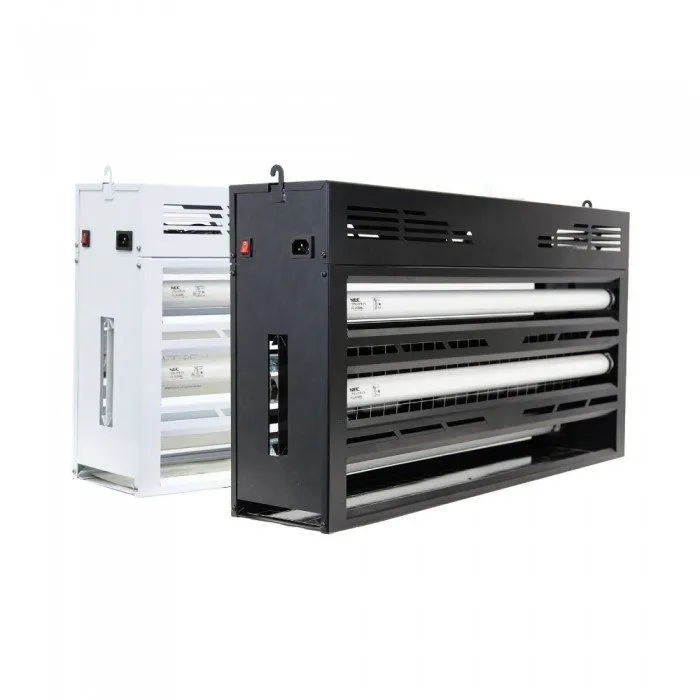
Fly Trap Classes Compared
| Feature | Commercial | Industrial | Advanced |
|---|---|---|---|
| Coverage | Small to medium rooms | Large floors and bays | One focused zone |
| Mounting | Wall, back of house | High wall or hung | Wall, discreet in view |
| Catch method | Glueboard or grid | Often grid | Glueboard |
| Near open food | Glueboard models only | No | Yes, placed correctly |
| Service | Monthly board change | Monthly, tray cleaned | Monthly, catch counted |
Source: NPC Pest Control product range and field practice, KL and Selangor, 2024–2026.
Why glueboards win over a prep bench. An electric grid kills the fly by breaking it apart, and the pieces travel. That is fine at a loading bay and wrong over open food. The UV tube also loses its pull long before it stops glowing, so tubes are changed on a schedule, not when they die.
Where you mount the trap matters as much as which one you buy. Keep it out of sight of the dining area, so it does not draw flies inwards past your customers. Keep it away from doors, where draughts spoil the catch. And never mount a unit directly above open food.
Key takeaway: Choose the trap by zone, not by building. Most kitchens run a mix: an industrial unit at the goods door and glueboard units inside.
Quick Answer: Check four things before you sign: licences you can verify, drain treatment written into the quote, a report with catch counts per trap, and a clear warranty. NPC Pest Control meets all four from our office in Bandar Puteri Puchong.
Use this checklist to compare fly control services:
Ask one more thing: who reads the glueboard before it goes in the bin? If the answer is nobody, the trap is decoration. On our visits the technician counts the catch, notes the species and records it before the board is changed.
Key takeaway: The question that separates operators: does your report show catch counts per trap? If it only shows a date and a signature, keep looking.
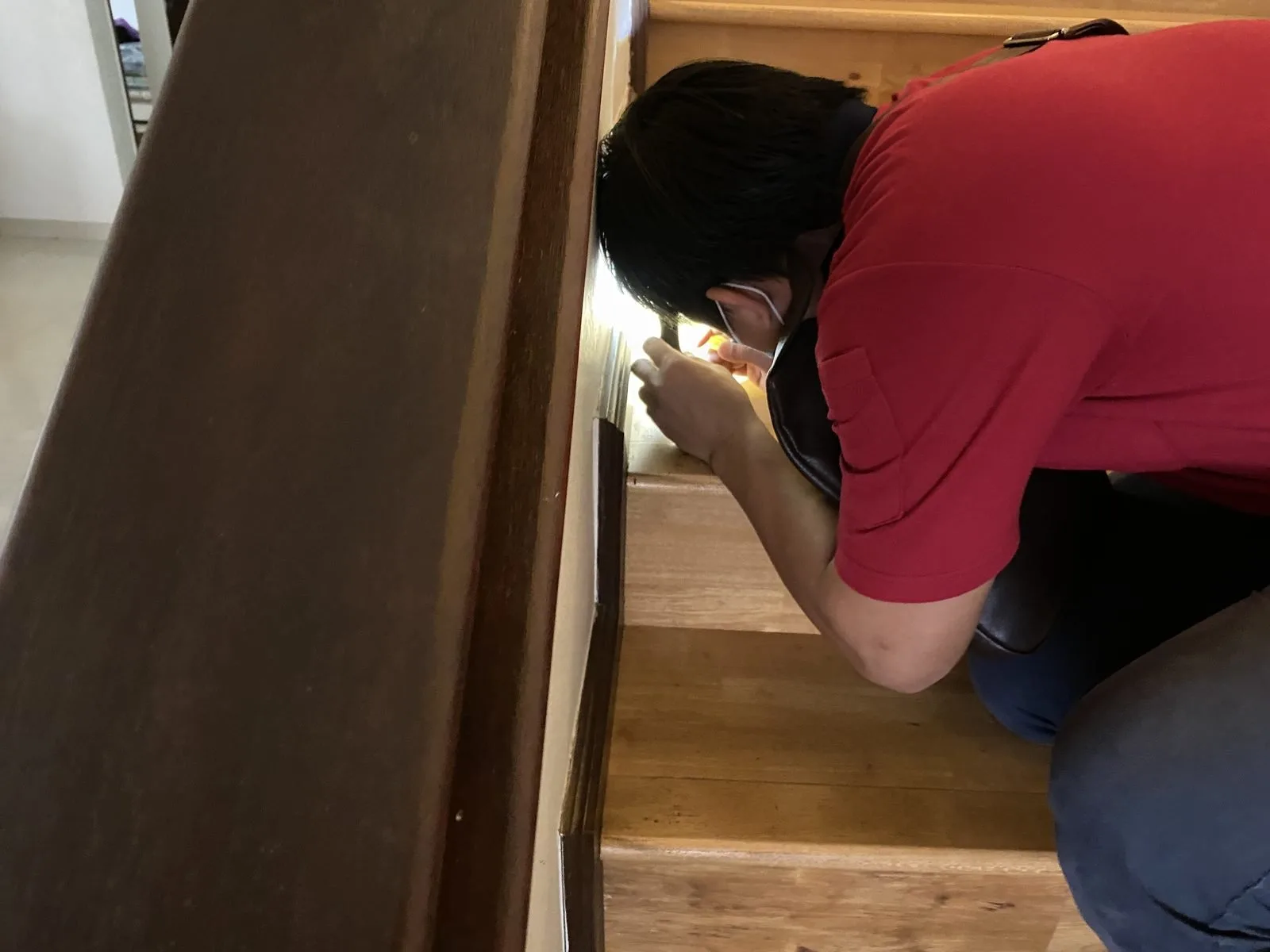
Quick Answer: Good fly control names the fly, treats the drain or bin it breeds in, then puts the right traps where the survey says. NPC covers KL and Selangor, most often Puchong, Seri Kembangan, Serdang, Subang Jaya, USJ, Shah Alam and PJ, as well as Cheras. See all our pest control services.
A kitchen survey often turns up other pests at the same drains and bins, so one visit can settle more than one problem. Related services: termite control, cockroach control, rat control, ant control, bed bug control, flea and tick control and mosquito control. Sites with several pests usually go under commercial pest control. We also provide disinfection and sanitising services, and pest control certificate renewal for F&B and medical premises. For fly control services in Malaysia, call 03 8061 1875 or WhatsApp 016 335 9799.
There is no fixed price. It depends on the trap class, commercial, industrial or advanced, and on how many zones need cover. Servicing is priced as a separate line. NPC quotes both in writing after a free site inspection.
Count zones, not square feet. A prep room, dishwash area, dry store and bin lobby are four zones that each need cover. One open kitchen of the same size may need a single well-placed unit.
Monthly on most food premises, and sooner where the catch is heavy or the board sits in grease and dust. The glue dries out in the heat, so a board that looks half empty may have stopped holding flies.
No. A zapper grid breaks the fly apart and the fragments scatter. Anywhere food is open, use a glueboard unit that holds the catch. Zappers belong at loading bays, bin lobbies and other non-food areas.
If flies return in a treated area during the warranty, NPC re-treats it at no charge. If you report a problem, we come back within 48 hours. Every visit leaves a dated report with catch counts per trap, ready for a hygiene inspection.
The short video below explains how a UV fly light draws flies in, and why the tube and position matter as much as the unit.

Flies still coming past a full trap?
Book a free site inspection. A licensed technician will identify the fly, trace where it breeds, map trap positions and send a written quote covering units, servicing, drain work and warranty terms.