
Last updated: 24 September 2026
A house in Malaysia gives pests everything they need in one place: warmth all year, a wet kitchen, a floor trap, a rubbish bin by the back door and a drain a few steps away. Nobody keeps that out with a can of spray from the supermarket.
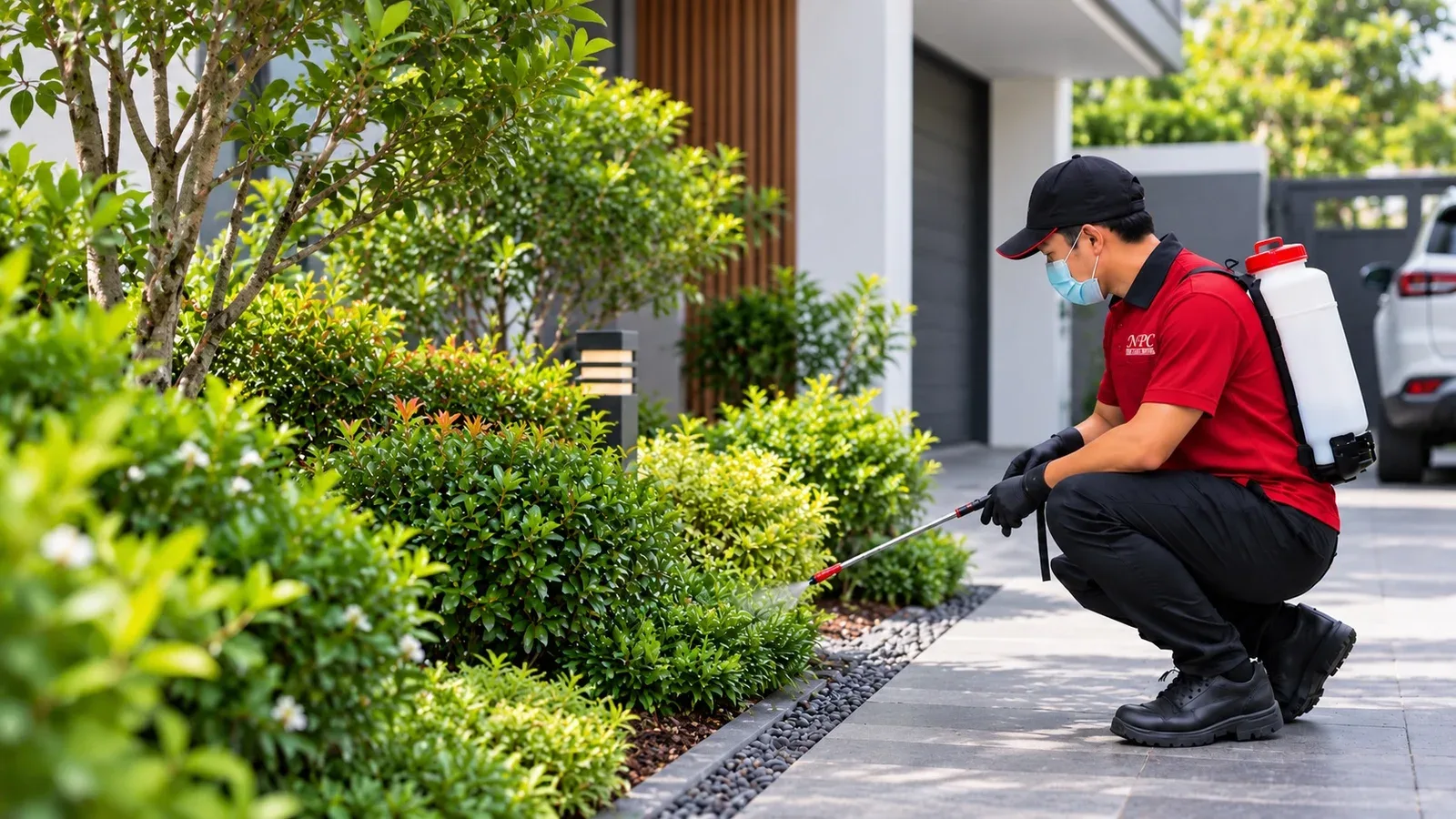
This page covers residential pest control the way it actually gets done: what a first visit looks like, how often a home needs treating and what changes between a terrace house and a condo unit. It also answers the question every parent asks, which is what is safe to use in a bedroom where a child sleeps. Homes are where most of our repeat callers come from, and NPC has treated properties across KL and Selangor for more than 15 years. The promise is the same as for our commercial clients: proven, effective results, backed by a written warranty.
Something moving in the kitchen at night?
A licensed technician can tell you what it is and where it is living, usually within one visit.
Quick Answer: Residential pest control covers the whole property: kitchen, bathrooms, bedrooms, store room, roof space, garden, drains and the bin area, each with the method that suits it. It runs on the same licensing and record keeping as our commercial pest control work, sized for a home.
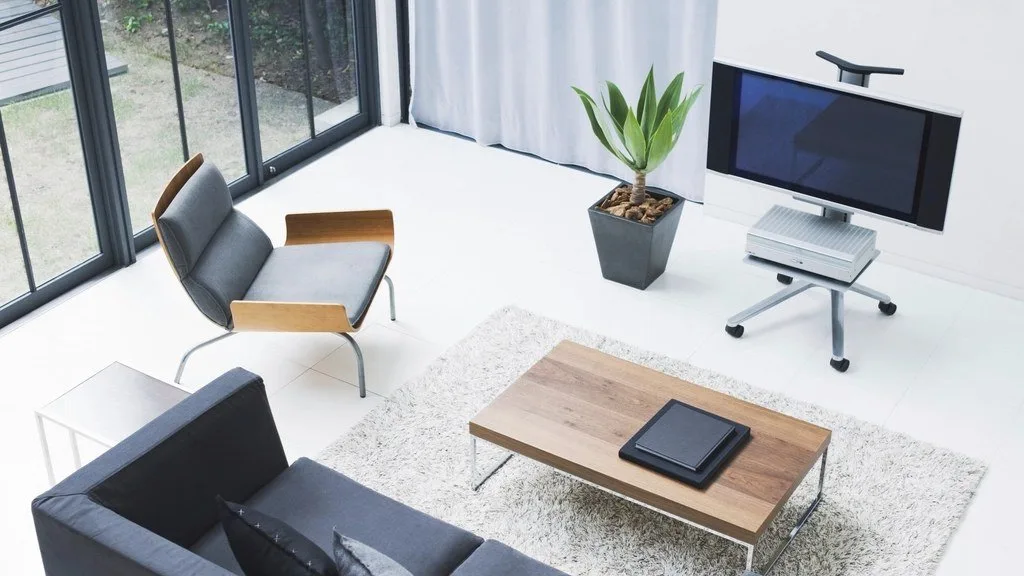
Where We Look in a Home, and What We Use There
| Part of the home | Main risk | What we use |
|---|---|---|
| Kitchen and wet area | Cockroaches, ants, flies | Gel in cracks and hinges, drain treatment |
| Bedrooms and living areas | Bed bugs, mosquitoes, ants | Targeted treatment, monitors, no blanket spray |
| Store room and roof space | Rats, termites, cockroaches | Traps, inspection of timber and wiring |
| Bathrooms and floor traps | Cockroaches, drain flies | Drain work, sealing gaps around pipes |
| Garden, pots and gutters | Mosquitoes, ants, rats | Source removal, larviciding, bait outside |
| Bin area and back lane | Rats, flies, cockroaches | Locked bait stations, residual treatment |
Source: NPC Pest Control, residential jobs in KL and Selangor, 2024–2026.
Two of those lines matter more than the rest. The bin area and the drain are where almost every kitchen problem starts, and they are the two places a homeowner never thinks to point out.
Key takeaway: If a pest company walks straight to your kitchen without looking at your drains, bins and roofline, you are paying for the symptom.
Quick Answer: Cockroaches, ants and mosquitoes in almost every home; rats where there is a back lane or a roof gap; termites in older landed houses; bed bugs after travel or second-hand furniture. Each has its own page, and residential pest control usually covers two or three of them under one visit plan.
Most homes call about one pest and have two. A cockroach job in the kitchen often turns up ant trails behind the splashback. A rat job in the ceiling often turns up a termite trail on a beam nobody had looked at.
Key takeaway: Book the inspection for the house, not the insect. One visit that finds all of it is cheaper than three visits that each find one thing.
Quick Answer: The technician walks the outside, inspects room by room, names the pest, treats to a plan and leaves a written report with a review date. A first visit at a double-storey terrace usually takes an hour and a half to two hours. Contact us to book one.
How a First Residential Visit Is Spent
| Stage of the visit | Time on site | Typical duration |
|---|---|---|
| Outside walk and drains | 15–20 min | |
| Room-by-room inspection | 20–30 min | |
| Treatment | 30–45 min | |
| Bin area and boundary | 10–15 min | |
| Report and advice | 10 min |
Source: NPC Pest Control, residential visits at double-storey terrace houses in KL and Selangor, 2024–2026. A bungalow with a garden runs longer.
One thing worth ignoring: the advice to scrub the house before the technician arrives. A kitchen that has just been bleached and cleared tells us nothing. Droppings, trails and shed skins are the map, and wiping them away the night before means the first visit is guesswork.
Key takeaway: Do not clean up for the visit. Leave the droppings and trails where they are, and the technician can tell you which pest, how many and where they are living.
Quick Answer: Most homes start with a treatment plus a follow-up, then move to quarterly. There is no list rate for residential pest control services: the quote follows a free inspection and comes in writing.
Relative Service Load by Home Type
| Home type | Why the load differs | Typical starting frequency |
|---|---|---|
| Bungalow or semi-D with garden | Garden, gutters, boundary and roof space | Treatment, follow-up, then quarterly |
| Terrace or link house | Back lane, bin area, shared party walls | Treatment, follow-up, then quarterly |
| Condominium or apartment unit | One unit, but shared risers and rubbish rooms | Treatment, follow-up, then quarterly |
| Studio or small unit | Few entry points, kitchen is the main risk | Treatment, then as needed |
Source: NPC Pest Control, residential jobs in KL and Selangor, 2024–2026. Frequency is set at the inspection.
What moves a home quote most:
Key takeaway: Ask for the follow-up to be written into the quote. A single visit with no review date is the cheapest line on any quotation and the one most likely to fail.
Want to know what your house actually needs?
We inspect inside and out, tell you what is there and send a written quote with the visits and the follow-up in it. The inspection is free.
Quick Answer: Yes, in one important way: a condominium unit shares walls, risers and a rubbish room with everybody else, so treating your unit alone rarely holds. A landed house owns its own boundary, which means you can fix the source yourself.
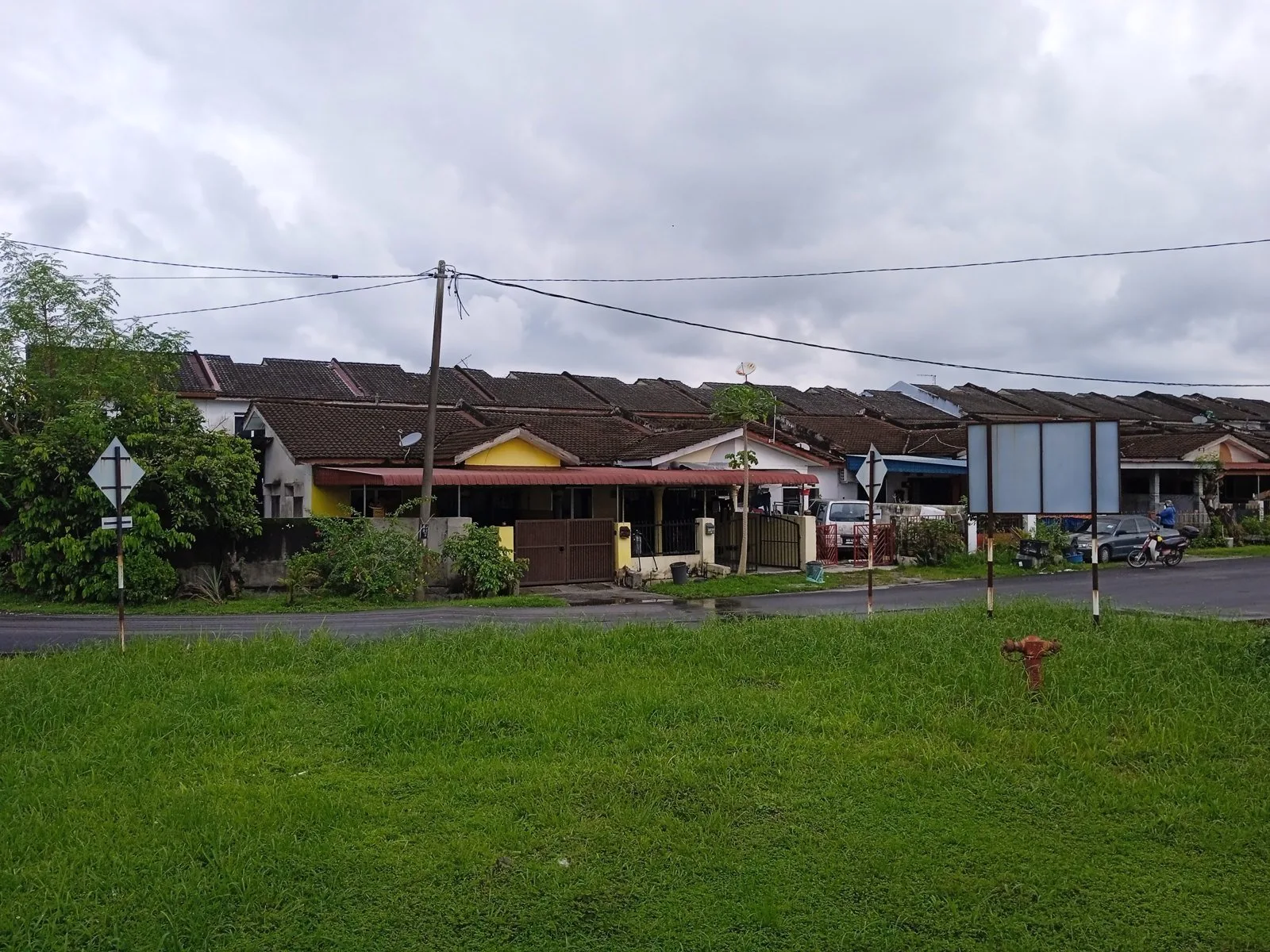
In a high-rise, cockroaches travel along service risers and rubbish chutes, and ants move through the slab between units. We treat your unit properly, seal what we can around pipes and behind cabinets, and tell you honestly if the pressure is coming from outside your door.
That is when it is worth a note to the management office or the JMB. One unit treated is one unit treated. A riser and a rubbish room treated is the whole floor fixed, and management can arrange that under a common-area contract.
A landed house is the opposite problem. Nobody else is going to fix your back lane, your gutters or the gap under your gate, so the outside work is yours to allow. Most of the homes that stay quiet for years are the ones where the boundary and drains get done on every visit.
Key takeaway: If you are in a condo and the cockroaches come back every month, the job is not your kitchen. Ask management to put the risers and rubbish room on a contract.
Quick Answer: Close the gaps and take away the water. Entomologists at the University of Kentucky put denial of entry ahead of treating pests after they are inside, and the gaps involved are smaller than most people expect.
University of Kentucky Entomology sets out the sizes in plain numbers, and they explain a lot of failed pest control:
How Small a Gap a Pest Needs
| Pest | Gap needed | Size |
|---|---|---|
| Insects and spiders | 1/16 inch | |
| Mice | 1/4 inch | |
| Rats | 1/2 inch |
Source: University of Kentucky Entomology, ENTFACT-641 “How to Pest-Proof Your Home”. A 1/4-inch gap is about the diameter of a pencil.
Four things do most of the work in a Malaysian home: a door sweep on the back door, steel wool or sealant where pipes and cables enter the wall, intact window and door screens, and a mesh over roof and eave vents. None of it is expensive and all of it lasts longer than a spray.
Then there is the water. In a study of homes in northern Peninsular Malaysia, researchers found Aedes albopictus breeding indoors in flower vases, ant-guards, buckets, cement tanks, empty paint cans and even sinks. The mosquito biting you at 8pm may never have been outside your house.
So walk the house once a week and tip out what holds water: vases, plant saucers, ant-guards under table legs, the pail in the bathroom, the tray under the fridge, the gutter and the aircon drip tray. It takes five minutes and it removes the next generation.
Key takeaway: Empty the ant-guards and flower vases as well as the garden pots. Indoor water is where a lot of household mosquitoes actually come from.
Quick Answer: It is when the method matches the room. In a home with children or animals we use gel in cracks, covered bait and monitors rather than open spraying. Nothing goes on bedding or toys, and we tell you which room had what.

The riskiest chemical in most Malaysian homes is not the one a licensed technician brings. It is the supermarket aerosol used every night for a month in a closed kitchen, which also scatters cockroaches deeper into the walls.
Key takeaway: Ask one question before booking: what will you use in my child’s bedroom? A company that says “we spray everywhere” is answering the wrong question.
Quick Answer: Pick a licensed operator that inspects before quoting, puts the follow-up in writing and will name what it uses in your home. Copies of our licences are on the certificate page.
Key takeaway: Compare the second visit, not the first price. Most cheap residential pest control quotes are cheap because the follow-up is not in them.
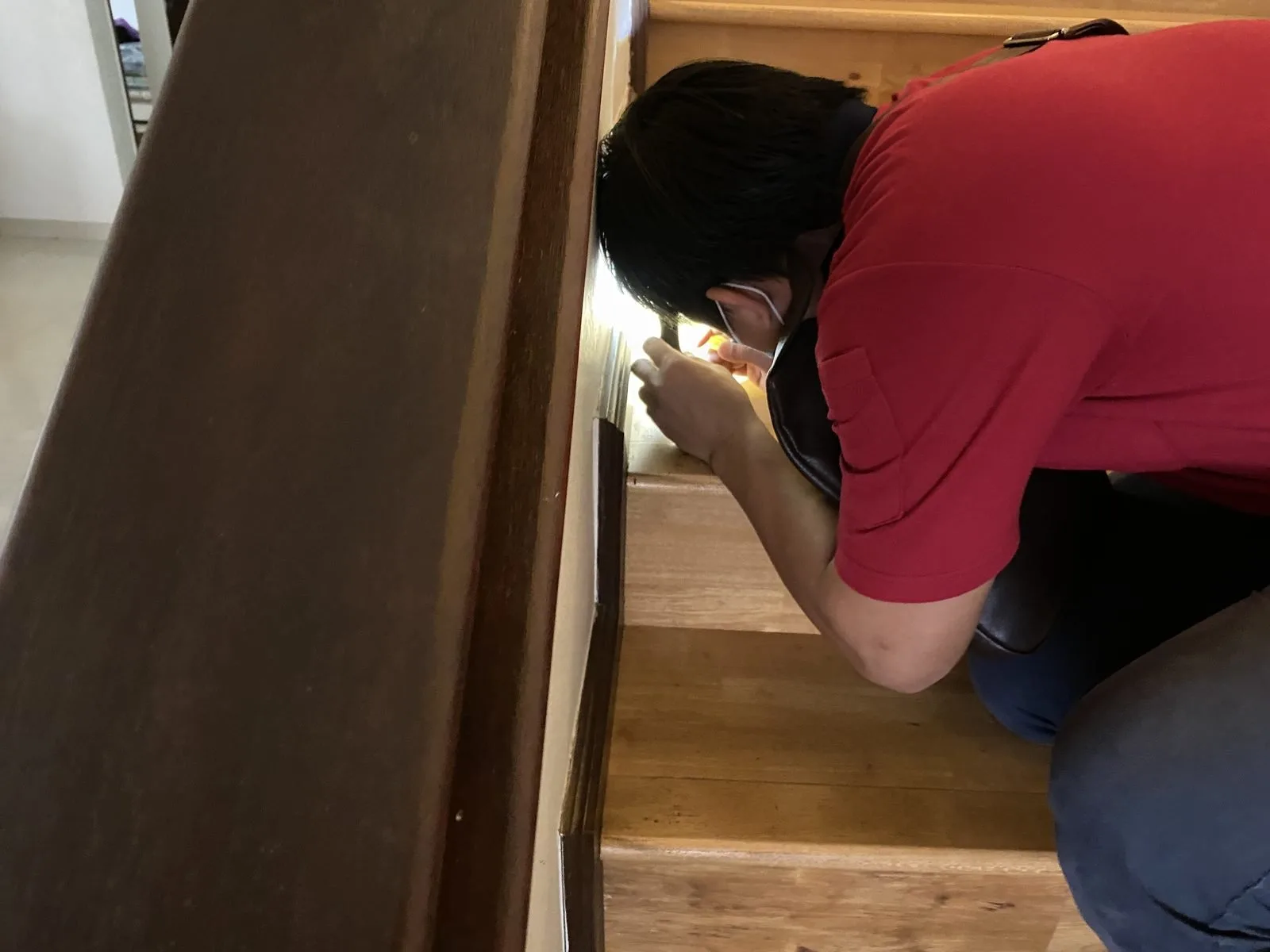
Quick Answer: Good residential pest control starts outside, treats with gel and bait rather than blanket spraying, closes the gaps and comes back to check. NPC covers KL and Selangor, most often Puchong, Seri Kembangan, Serdang, Subang Jaya, USJ, Shah Alam and PJ. See all our pest control services.
Most homes need two or three pests covered under one plan. Related services: termite control, cockroach control, rat control, ant control, bed bug control, flea and tick control, mosquito control and fly control. We also provide disinfection and sanitising services for homes after illness or a long vacancy. If you look after a shop, office or a block of units, see commercial pest control, and for school, hostel or government premises see government sector pest control. For residential pest control in Malaysia, call 03 8061 1875 or WhatsApp 016 335 9799, Monday to Saturday, 9am to 6pm.
There is no list price, and any company quoting one over the phone has not seen your house. The cost depends on the pest, the size of the home and whether the garden and drains are included. We inspect for free and send a written quote, so you can see what each visit covers before you agree.
Usually not. Gel, bait and monitors are placed while you are at home. Where we do use a spray, you stay out of that room until it is dry, normally an hour or two, and the technician tells you before starting rather than after.
It is when the method fits the room. We use gel in cracks and covered bait instead of open spraying in bedrooms and play areas, and we ask you to move pet bowls and cover fish tanks first. You can ask what was used in any room and we will tell you.
Cockroaches and ants usually drop off within a few days and are quiet inside two weeks. Rats can take two to three weeks, because bait has to be found and eaten. Termites are different again: a baiting job is measured in months, and that page explains why.
Tell us. Activity in a treated area during your contract is re-treated at no extra charge, and we aim to be back within 48 hours of your call. Termite work carries a warranty of one to five years depending on the treatment.
The short video below runs through the same pest-proofing basics for a house: where pests get in, and what to close first.

Want your house checked before it gets worse?
Book a free inspection. A licensed technician walks your kitchen, bathrooms, store room, garden, drains and bin area, names what is there and sends a written quote covering the treatment, the follow-up visit and the warranty terms.