
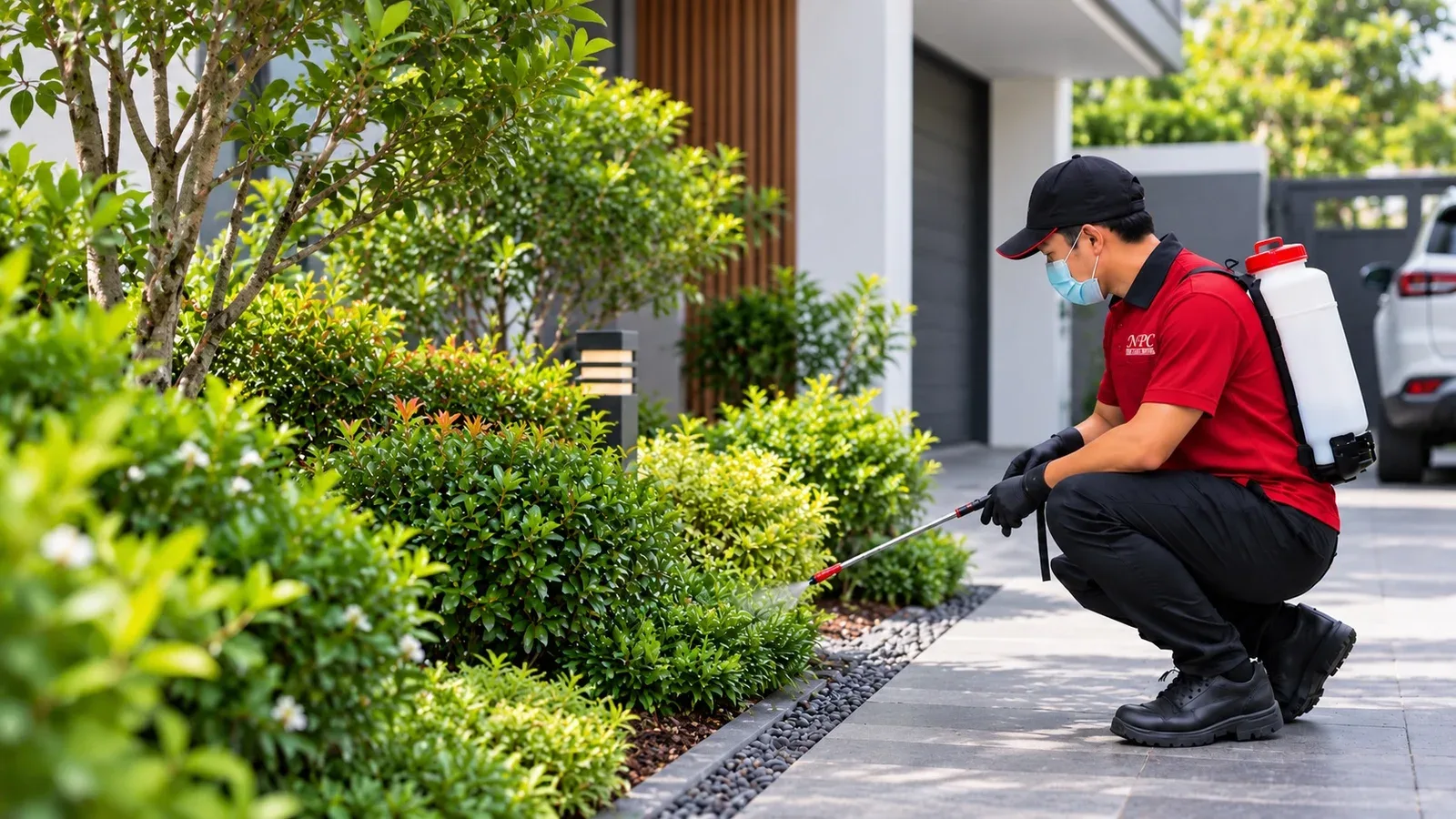
Last updated: 28 September 2026
A 1980s terrace in SS17 and a serviced apartment in USJ share a postcode and almost nothing else.
SS12 to SS19 were developed from 1976 and finished around 1988, which makes those houses roughly forty years old. They have timber roof trusses, timber door frames and original drainage, and they sit on ground that was plantation before it was housing. Subterranean termites here are not unusual, they are expected, and the houses that have never had a barrier or a baiting system are the ones that find out the hard way.
USJ 1 to 27, Putra Heights and the strata blocks around Taipan and Main Place are a different job. So is SS15: a cafe strip on Jalan SS15/4, converted shoplots, and student rentals minutes from Taylor’s and INTI that change hands every semester. Turnover moves bed bugs and cockroaches faster than anything else in this town.
Hollow-sounding skirting, or a tenant reporting bites?
Two very different jobs, both of which start with a technician actually looking at the property.
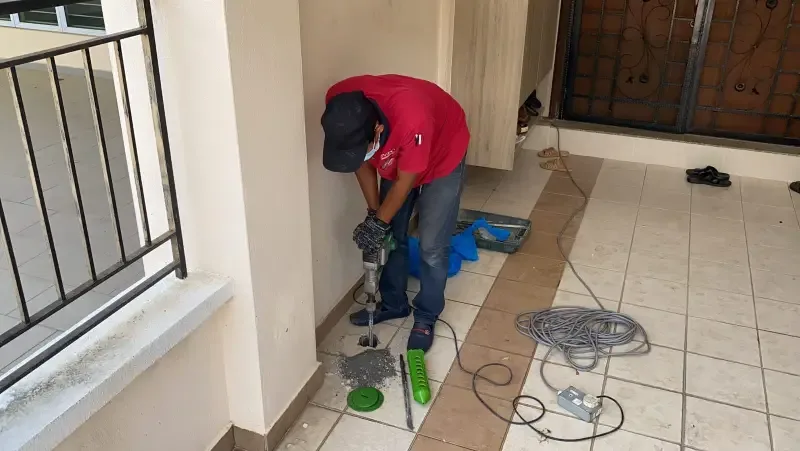
Quick Answer: The SS houses are forty years old on ex-plantation soil, so subterranean termites reach timber through the slab and the perimeter. The newer, denser stock has high tenant turnover, which is what moves bed bugs and cockroaches between units.
Subterranean termites do not fly into a house. They come up through the ground, into the slab perimeter, service penetrations or a garden structure touching the wall, and then travel inside mud tubes to the timber. On land that was rubber or oil palm before it was a taman, the colonies were there first. Forty years is simply long enough for them to have found most of the houses that were never protected.
In the newer and denser parts of Subang Jaya the driver is people, not soil. A student room changes hands every few months, furniture moves between units, and a bed bug introduction in one room becomes three rooms before anyone reports it. Cockroaches travel the same way through shared risers and back-of-house corridors in converted shoplots.
Key takeaway: In an SS house, ask about the soil and the slab. In a USJ rental, ask about the last tenant. They are not the same job.
Quick Answer: Older SS terraces, USJ and Putra Heights landed and strata, the SS15 cafe and student core, and the retail centres around Subang Parade, Da Men and Main Place.
Four kinds of property, four different starting points.
Quick Answer: Subterranean termites in the SS terraces, roof rats in older ceiling voids, cockroaches along the SS15 strip, bed bugs in student rentals, and Aedes mosquitoes across the whole town.
Split roughly in half between the older housing and the student and cafe economy.
Quick Answer: MBSJ publishes outbreak localities weekly and inspects food premises in the SS15 area regularly, and Petaling district recorded 11,988 dengue cases to week 38 of 2026, up 82.1 per cent year on year. For housing, building age is still the better predictor of what you have.
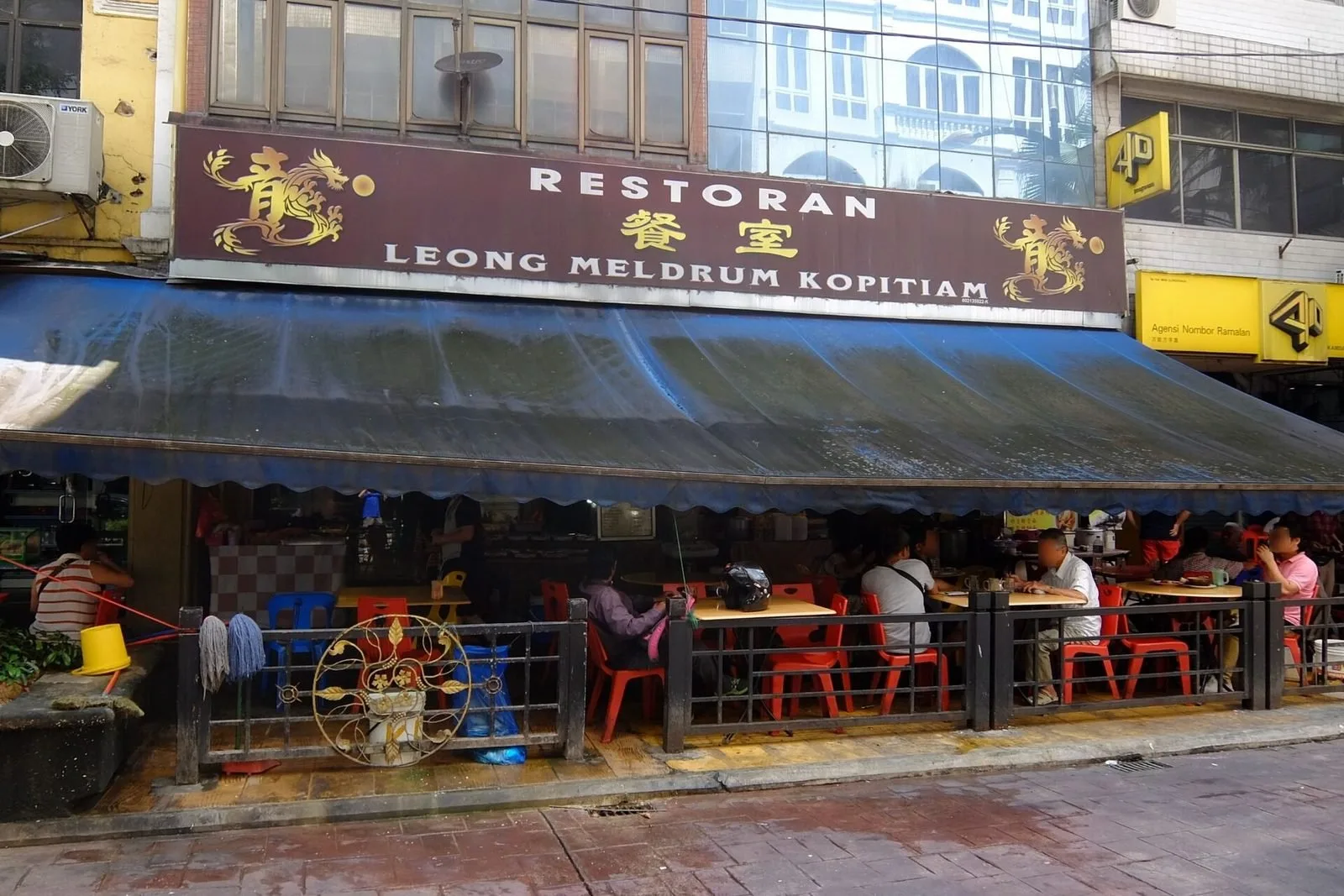
Two practical conclusions come out of that. If you run a food business in SS15 or Taipan, the record matters as much as the treatment, because MBSJ inspections in this area are routine rather than rare, and a premises with no logbook has nothing to show. If you own an SS terrace, the age of the house is what should decide whether you book a termite inspection this year, not whether you have seen anything yet.
On mosquitoes, at district level that high, the work that pays is weekly source reduction on your own property: roof gutters, air well gullies, plant pot trays, disused containers and anything holding water for more than a few days. Fogging is a knockdown tool for adults near a case, not a programme.
We do not publish street-level case counts on this page because they change every week. If you want the current status of your own locality, ask and we will check the live source on the day we quote.
Key takeaway: Food premises: build the file. Older houses: book the termite inspection on the age of the house, not on the first sign of damage.
Quick Answer: Free inspection, written quote, licensed technician, written report with a review date, and a call back within 48 hours if the pest is active again inside the contract period.
Quick Answer: NPC has been a licensed pest control operator since 2006, holds Department of Agriculture licences and a Ministry of Finance supplier registration, and issues the pest control certificate councils and franchises ask for.
Quick Answer: Subang Jaya sits between our Puchong office, PJ and Shah Alam, so clients with premises in more than one of them run a single contract with one set of reports.
A Subang Jaya job is usually termites in the house or cockroaches and bed bugs in the rental. Related services: termite control, cockroach control, rat control, ant control, bed bug control, mosquito control, fly control and flea and tick control. We also provide disinfection and sanitising, and pest control certificate renewal. See every area we cover on the service areas page. For subang jaya pest control, call 03 8061 1875 or WhatsApp 016 335 9799, Monday to Saturday, 9am to 6pm.
A one-off house treatment is priced per visit. Termite work is priced after inspection because it depends on the perimeter and how much activity is already inside. Commercial premises are quoted as a contract with the visit count and reporting set out. The inspection is free and the quote is written.
Do not break the tubes open or spray them. That scatters the colony and makes it harder to find. Leave them, book an inspection, and the technician will follow the tube back to the entry point and quote baiting or a barrier from what is actually there.
In most occupied SS terraces, yes. A baiting system installed around the perimeter and at active points removes the colony without drilling finished floors. A soil barrier is proposed only where it is genuinely the better answer, and the quote says which one you are getting.
Yes, and that is the best time to do it. We treat the room and the units either side, because bed bugs move along shared walls and through furniture, and we schedule a re-check before the new tenant moves in.
Yes. Food premises are treated after close or before opening, with gel and monitors rather than spray over prep surfaces, and you get a signed report for the licensing file each visit.
Both. SS12 to SS19, USJ 1 to 27, Putra Heights, Taipan, Subang Parade, Main Place and Da Men are all inside our normal Subang Jaya coverage.
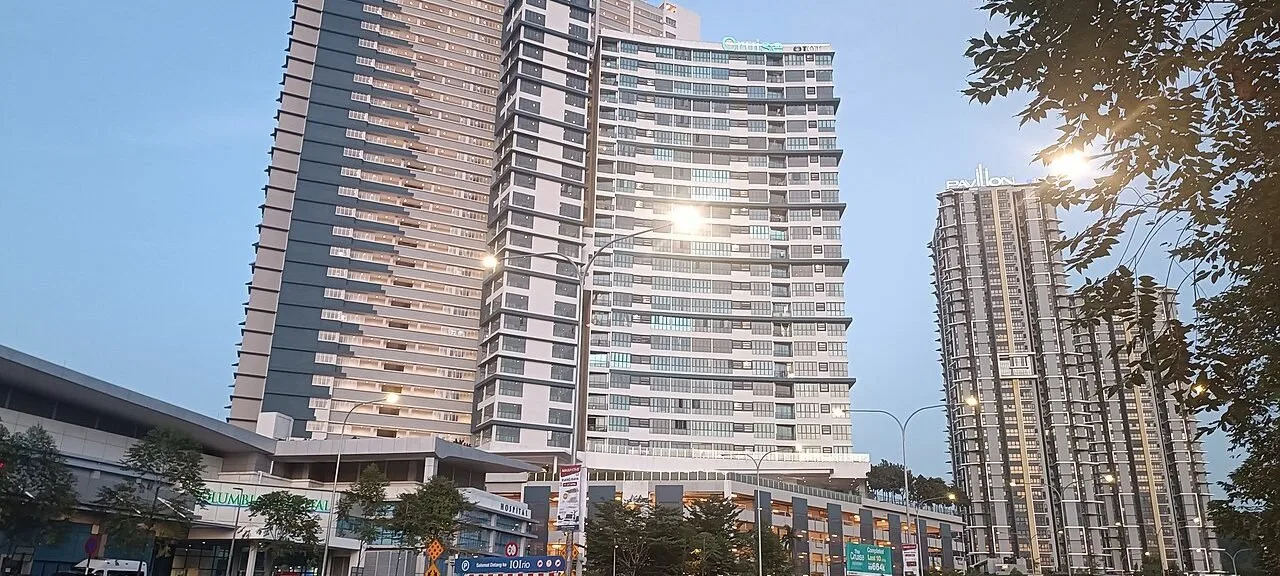
Older house or a rental between tenants?
Book a free inspection. A licensed technician checks the roof space, the perimeter and the rooms, then sends a written quote covering the treatment, the review visit and the warranty terms.