
Last updated: 22 September 2026
A factory runs on stock coming in and product going out. Pests use the same doors. One rat in a raw material store can mean a rejected batch, and one beetle in a finished carton can mean a customer complaint.
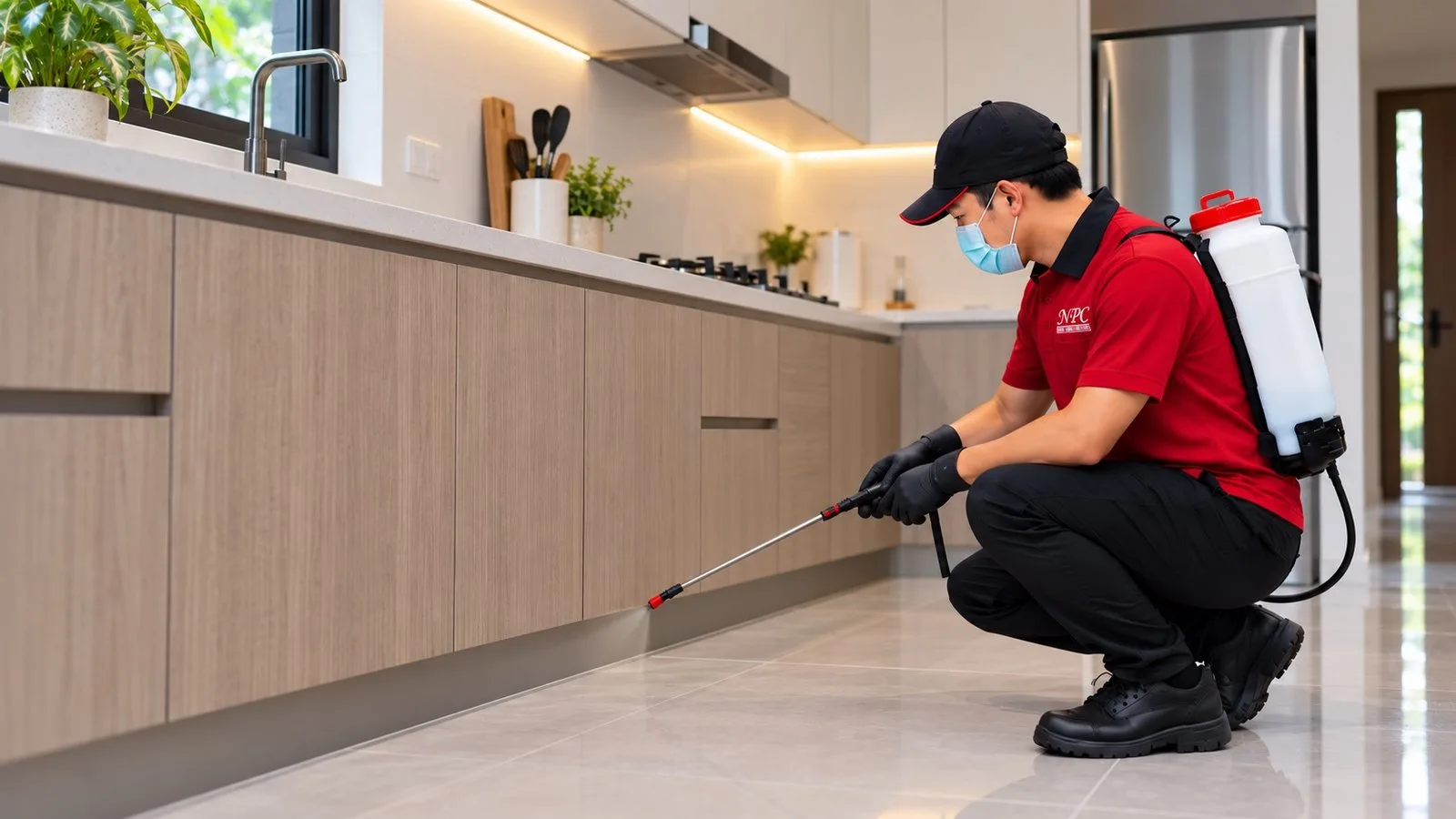
This page explains how our factory pest control services work: why the loading dock matters most, how a site is set up, where each device goes, and what warehouses need. Manufacturers such as Sony sit on NPC’s client list next to food names like KFC Holdings, and we have worked across KL and Selangor for more than 15 years. The promise is simple: proven, effective results, backed by a written warranty.
Found droppings in the store this week?
Leave them where they are so the technician can see the pattern. A licensed technician can walk the site and mark the risk points.
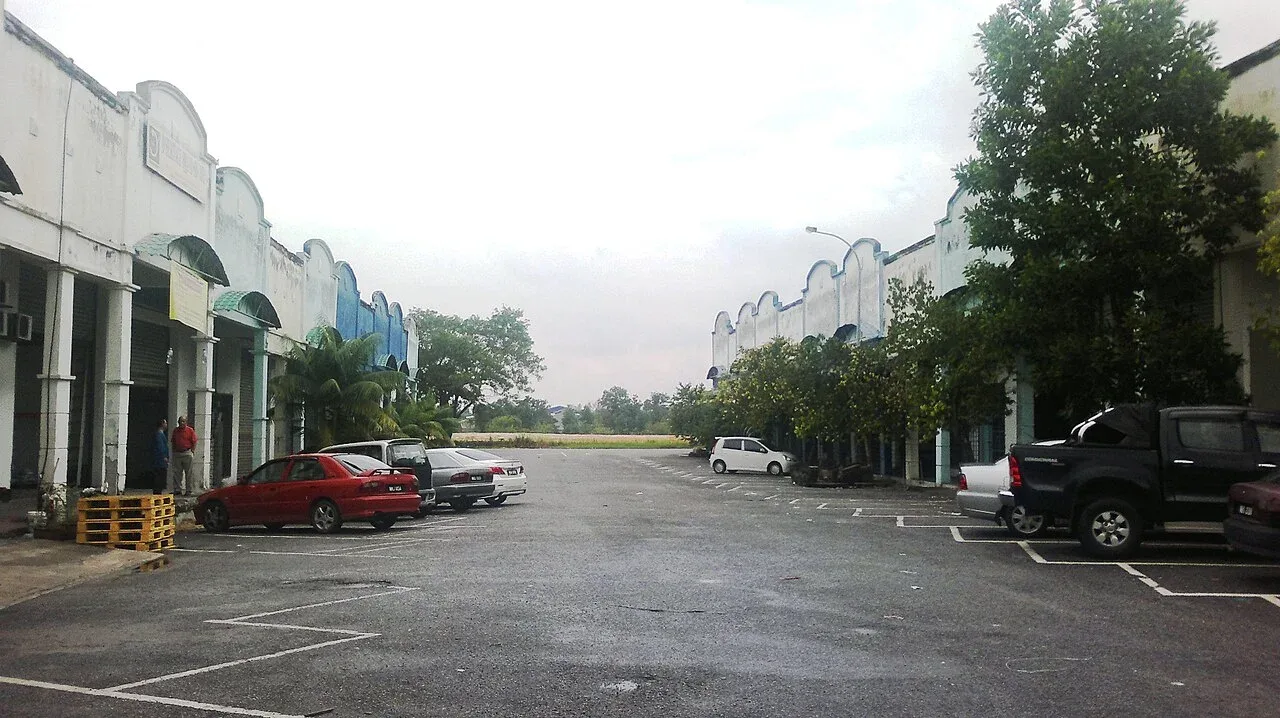
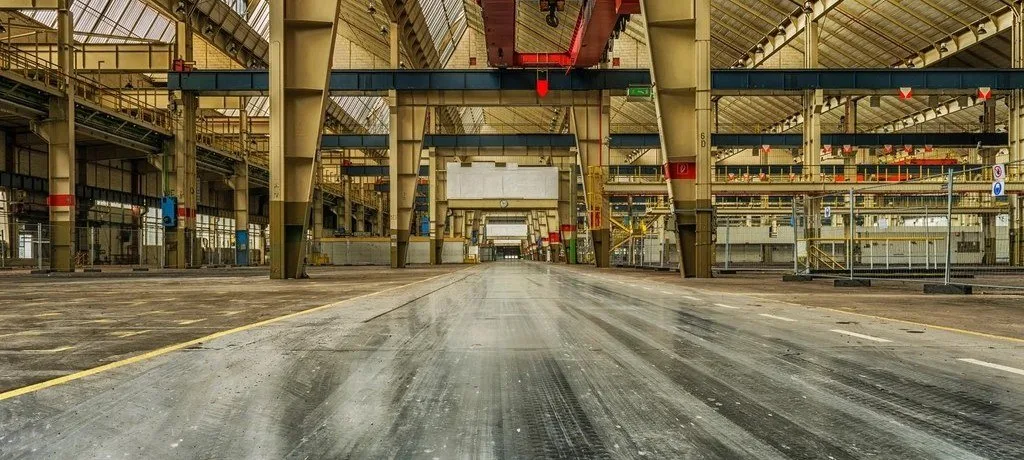
Quick Answer: Factory pest control covers the perimeter, loading bays, stores, production floor, canteen and bin area under one plan. Each zone draws a different pest and needs a different device. It sits inside our wider commercial pest control service.
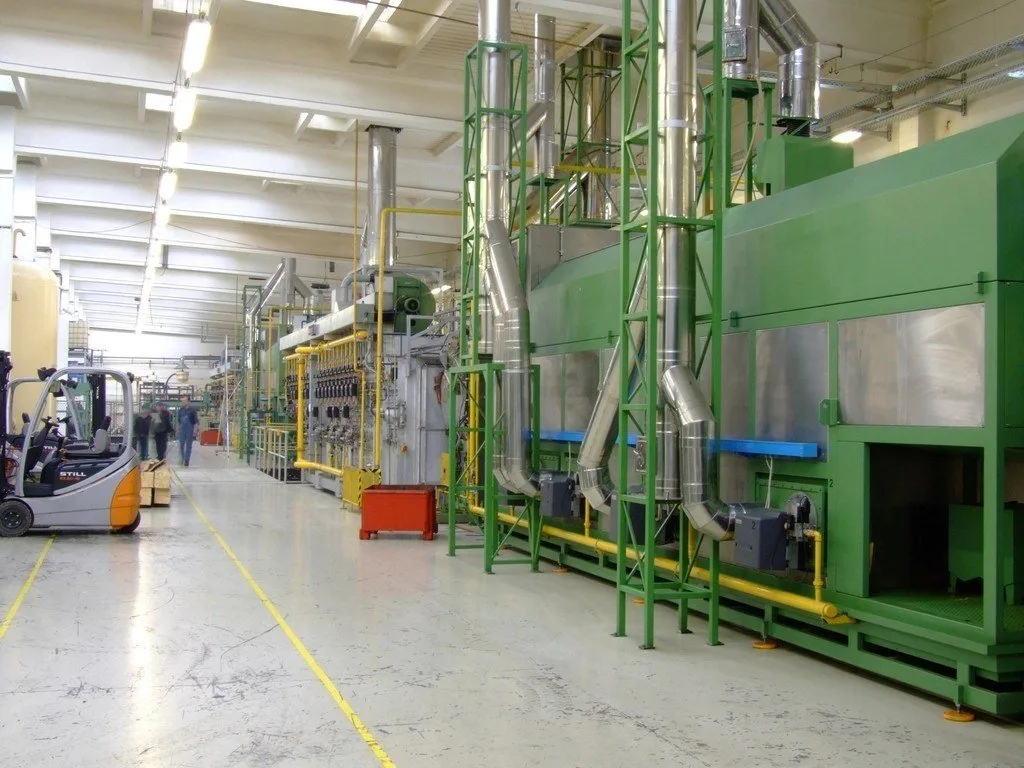
Factory Zones: Main Pest and What We Use
| Zone | Main pest | What we use |
|---|---|---|
| Perimeter and drains | Rats, cockroaches | Locked outdoor bait stations |
| Loading bay | Rats, flies | Traps, door checks |
| Raw material store | Stored-product insects | Pheromone monitors, traps |
| Production floor | Flies, cockroaches | Light traps, gel in cracks |
| Canteen and bin area | Cockroaches, flies, rats | Gel, drain work, stations |
Source: NPC Pest Control, factory and warehouse jobs in KL and Selangor, 2024–2026.
Most problems start outside and work inwards. The canteen is the other weak spot, because staff food draws the same pests as a kitchen. It follows our restaurant pest control routine.
Key takeaway: Treat the site as zones on one floor plan. A plan that only covers production misses the dock and the bins, which is where pests get in.
Quick Answer: Many pests arrive inside goods, not through walls. A pallet of flour, cartons or timber can carry insects or a rodent straight into the store. Good factory pest control services check stock before it is put away, not after it reaches the line.
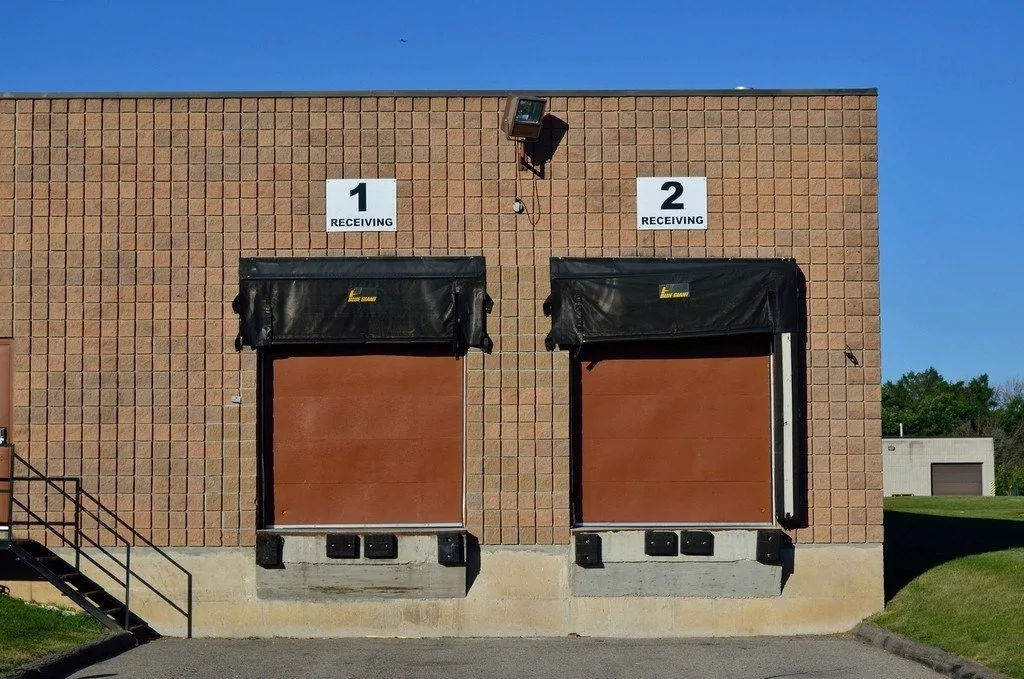
NC State Extension notes that many stored-product pest problems come from products that were already infested before they arrived, and that these pests “can easily penetrate thin or broken packaging.” The same is true of a factory store. The dock is also where rats walk in: UC IPM says a rat can pass under a door with a gap of about half an inch (12 mm).
Key takeaway: Reject a bad load at the dock, not at the line. Once it is racked with clean stock, the problem has already spread.
Quick Answer: A factory programme starts with a site walk and a floor plan. Every risk point is marked, every device is numbered, and the first visit sets the baseline. Factory pest control services should follow the same five steps on every site.
Typical Time for Each Set-Up Step
| Step | Time on site | Typical duration |
|---|---|---|
| Walk the site | Half a day | |
| Mark the risk points | 1–2 hours | |
| Number every device | About a day | |
| Agree the visit plan | About 1 hour | |
| Start the records | First visit |
Source: NPC Pest Control, factory set-ups in KL and Selangor, 2024–2026. Larger sites take longer.
Numbering is the step that pays back later. When device 14 at the dock starts catching every visit, you know where the gap is. Without numbers, a catch is just a catch.
Key takeaway: Ask for a floor plan with every device numbered on it. It turns each visit into data you can act on.
Quick Answer: Poison bait stays outside, in locked stations around the perimeter. Inside, we use traps and monitors, so no rodent carries bait to the line or dies in stock. Our rat control page covers the rodent work in more detail.
Which Device Goes Where
| Device | Where it goes | What it tells you |
|---|---|---|
| Locked bait station | Outside walls, perimeter fence | Rodent pressure around the site |
| Rodent trap | Inside doors, stores, racking | Whether rodents got inside |
| Insect light trap | Entrances, away from open product | Which flies, and when |
| Pheromone monitor | Raw material and finished goods stores | Stored-product insects early |
Source: NPC Pest Control, factory device plans in KL and Selangor, 2024–2026.
Light traps are placed so they pull flies away from open product, not towards it. Sealing the gaps rodents use is a separate job, covered by rat-proofing.
Key takeaway: No poison inside where product is made or stored. Traps inside and bait outside keep a dead rodent out of your stock.
Planning an audit this year?
We can walk the site, mark every risk point and send you a numbered device plan with a written quote. The survey is free.
Quick Answer: Racking hides pests. Stock stacked tight against walls leaves no room to inspect, and spilled product under the bottom shelf feeds insects for months. Factory pest control services need a clear gap and clean floors to work.
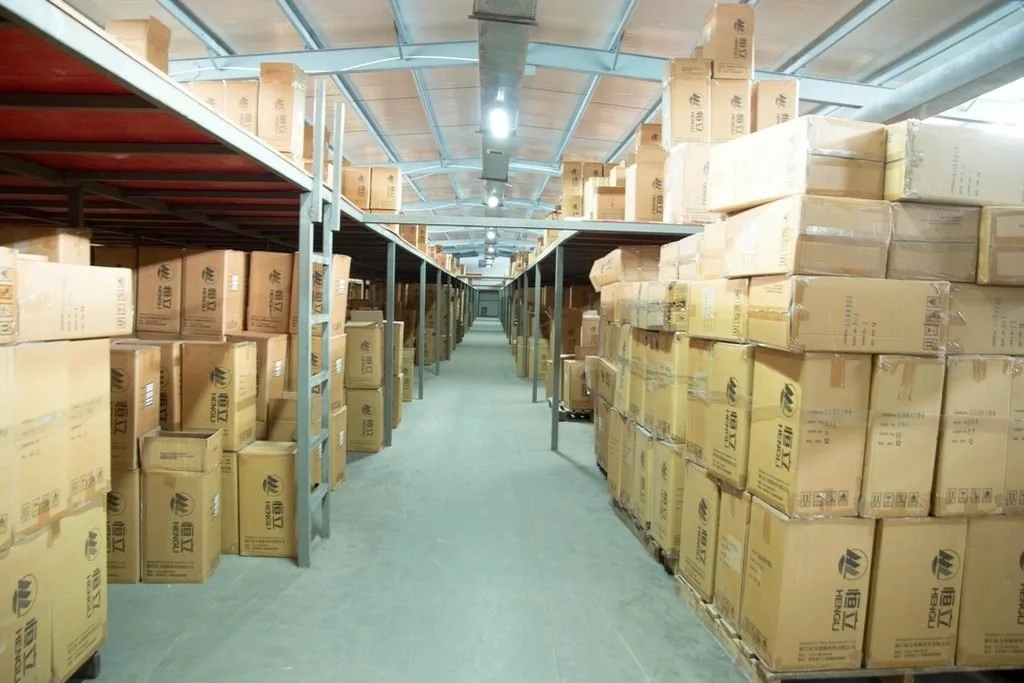
NC State Extension advises removing spilled food because it lets pests settle in. In a warehouse, that spill sits under a pallet where nobody sweeps. Timber pallets and crates on the floor can also draw termites, which our termite control team handles.
Key takeaway: If you cannot walk the wall line, nobody can check it. A clear gap behind the racking is the cheapest fix in the warehouse.
Quick Answer: Most factories start monthly, and food plants often fortnightly. There is no list rate. Factory pest control services are quoted after a free site survey, in writing.
Relative Service Load by Site Type
| Site type | Why the load differs | Typical starting frequency |
|---|---|---|
| Food and beverage plant | Raw ingredients, open product | Fortnightly |
| Warehouse or distribution centre | Constant deliveries, big racking | Fortnightly to monthly |
| General manufacturing | Canteen, bins, loading bays | Monthly |
| Electronics or clean assembly | Sealed rooms, fewer entry points | Monthly |
Source: NPC Pest Control, factory and warehouse jobs in KL and Selangor, 2024–2026. Frequency is set at the survey.
Food factories also carry a legal duty. Under the Food Hygiene Regulations 2009, food premises must be kept free of pests. What moves the quote most:
Key takeaway: Ask for the device count in the quote. It shows exactly what you are paying for on each visit.
Quick Answer: Pick a licensed operator that will give you a numbered floor plan and a record for every device. Ask where they put poison bait. Our licence copies are on the certificate page.
Key takeaway: Ask one question at the pitch: where does the poison go? If the answer includes the production floor, keep looking.
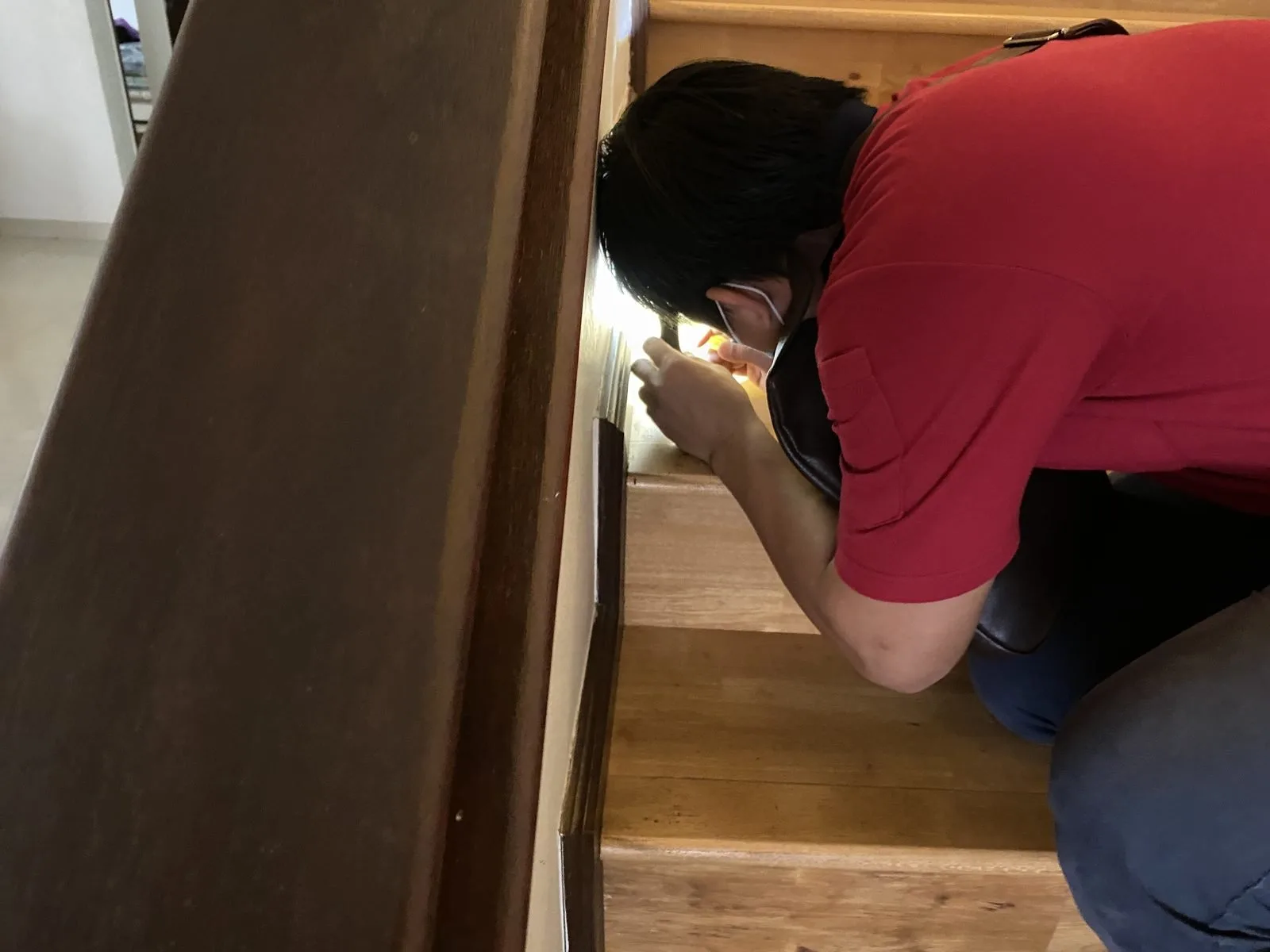
Quick Answer: Good factory pest control services check goods at the dock, keep poison outside and number every device. NPC covers KL and Selangor, most often Puchong, Seri Kembangan, Serdang, Subang Jaya, USJ, Shah Alam and PJ, as well as Cheras. See all our pest control services.
Most sites need several pests covered under one plan and one logbook. Related services: termite control, cockroach control, rat control, ant control, bed bug control, flea and tick control, mosquito control and fly control. Logistics hubs are covered on our transport and logistics page. We also provide disinfection and sanitising services, and pest control certificate renewal for F&B and medical premises. For factory pest control in Malaysia, call 03 8061 1875 or WhatsApp 016 335 9799, Monday to Saturday, 9am to 6pm.
No. Inside production and storage areas we use traps and monitors, not poison bait, so a rodent cannot carry bait to the line or die inside stock. Bait stations stay outside, locked and numbered.
Yes. Visits are booked around your runs, often before a shift starts or during a planned stop. Nothing is applied near open product while the line is running.
Most factories start monthly, and food plants often fortnightly. Warehouses with a lot of incoming stock may need more checks at the loading dock. The site survey sets the schedule.
Yes. Warehouses, raw material stores, loading bays and the site perimeter can all sit under the same factory pest control plan, with one floor plan and one logbook.
Tell us. Activity in a treated area during the contract is re-treated at no charge. If you report a problem, we come back within 48 hours, and the visit goes into your logbook.
The short video below, from India’s food safety regulator FSSAI, walks through the pest control systems a food factory is expected to run.
Source video: Food Safety and Standards Authority of India on YouTube

Want a numbered pest plan for your factory?
Book a free site survey. A licensed technician walks your perimeter, loading bays, stores and production floor, then sends a written quote covering devices, visits, bait policy and warranty terms.