
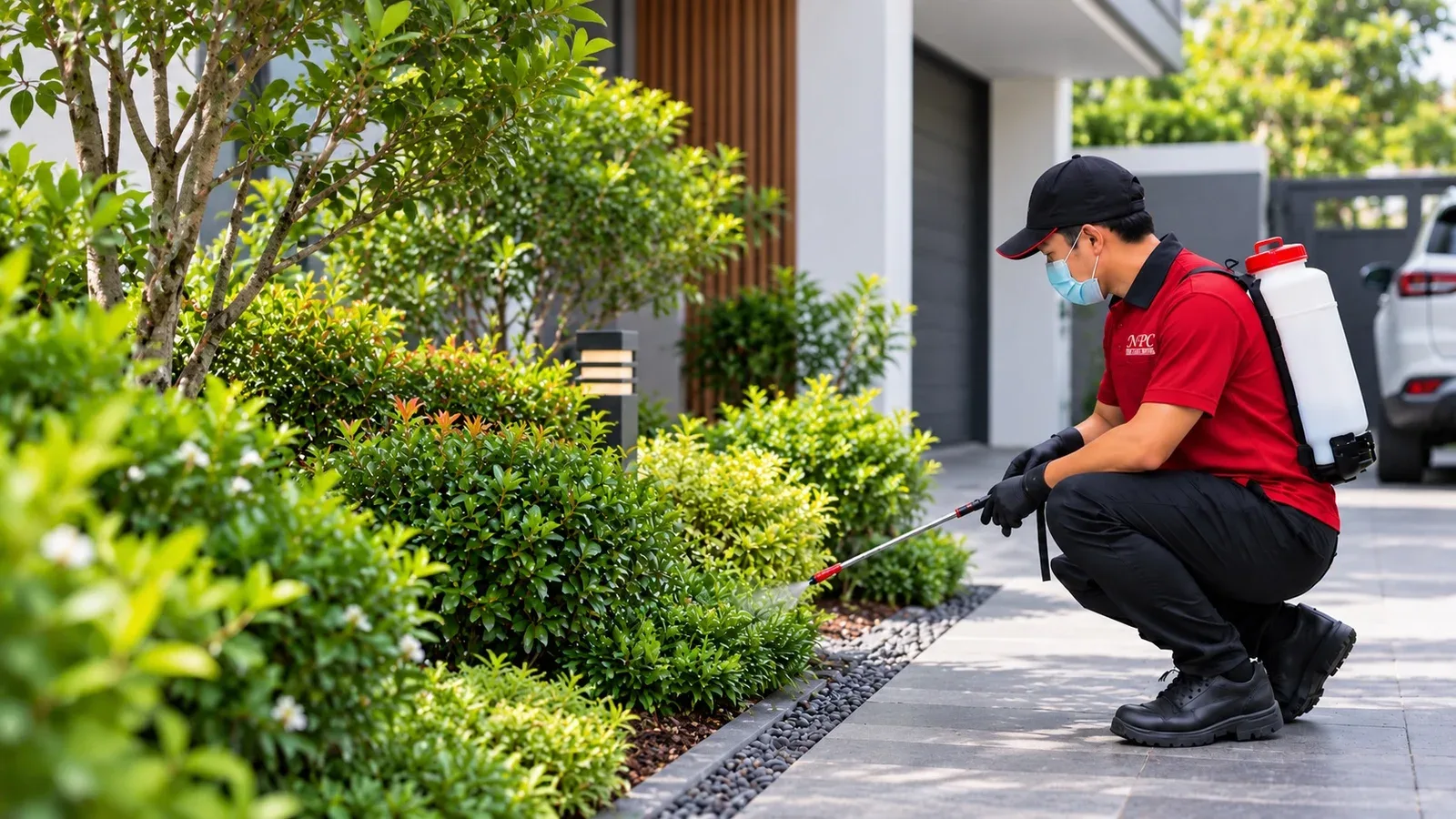
Last updated: 28 September 2026
Ask anyone in PJ where the rats come from and they will point at the drain outside.
They are right. PJ was laid out with open monsoon drains, and over the decades owners of shoplots, terraces and cafes have covered them with concrete slabs and platforms to gain parking or floor space. MBPJ has stated publicly that covered drains cannot be cleaned thoroughly. What that produces is a sheltered, food-rich, dry run the length of a street, and a rat population that a round of fogging never touches.
The rest of PJ’s pest work follows the age of the housing. Sections 1 to 22, and the SS series that came later, are full of houses with timber roof structures old enough for subterranean termites to have found them. This page is organised the way PJ residents describe where they live, by Section and SS number.
Seeing droppings or hearing movement at night?
A technician can read the drain line and the roof space and tell you which of the two you are dealing with.
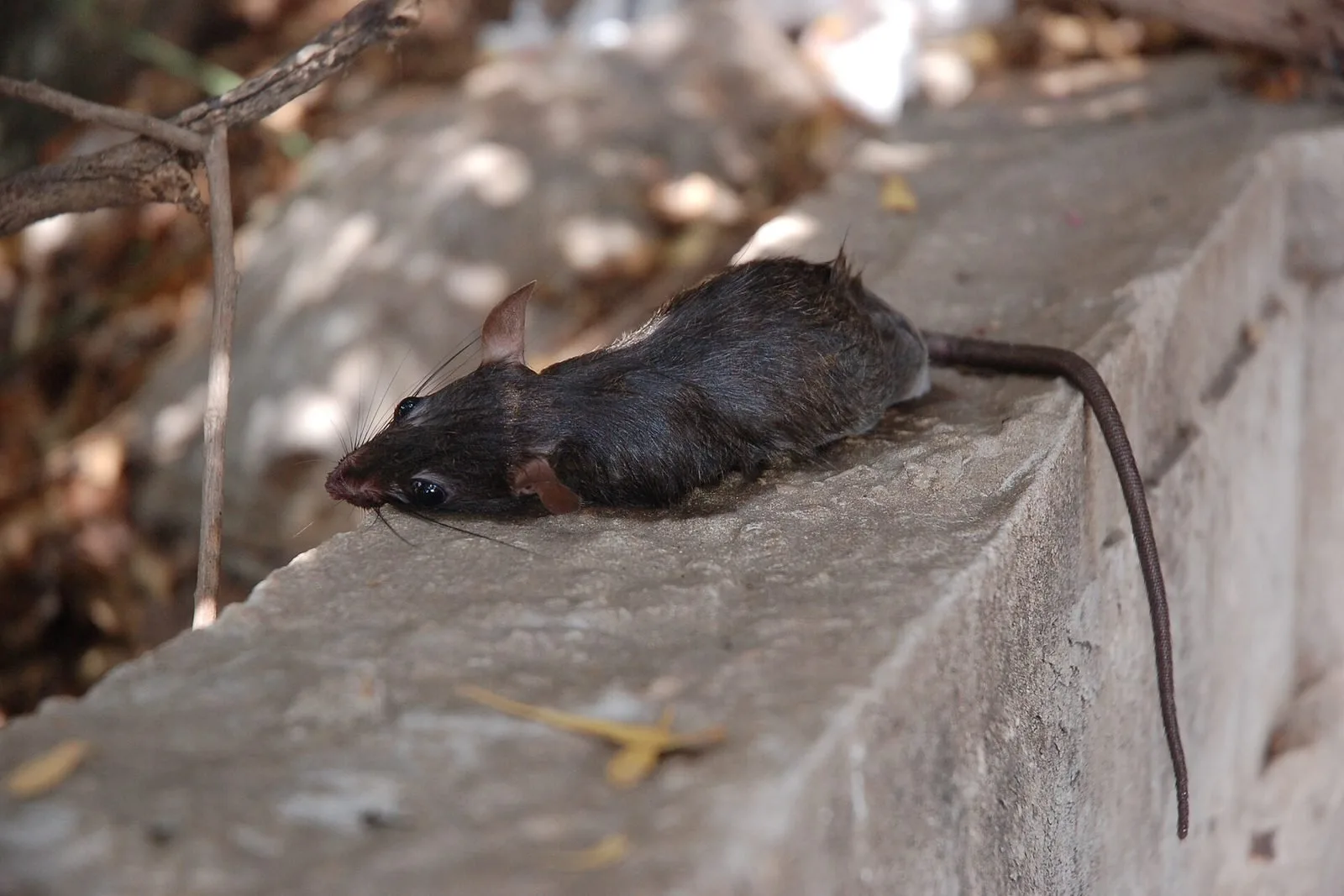
Quick Answer: Because the harbourage is under the covered drains and inside the older buildings’ voids, and neither is reached by fogging or by a council clean. Rats are controlled with monitored baiting at the harbourage plus proofing of the building itself.
Fogging kills adult mosquitoes in the air. It does nothing to a rat colony, and it does nothing to a covered drain run. The gap between what residents see being done on their street and what actually reduces a rodent population is the single biggest source of frustration in PJ.
A rodent job here has two halves. The first is monitored bait in locked stations placed on the runs, checked and replenished on a schedule so you can see take dropping visit by visit. The second is proofing the building: door sweeps, weep holes, service penetrations, air well gaps and the point where the kitchen waste pipe leaves the wall. Without the second half the first half becomes a permanent feeding programme.
Key takeaway: Bait alone is a feeding programme. Bait plus proofing is a control programme. Ask any quotation which one it is.
Quick Answer: The original Sections hold ageing landed housing, the SS series mixes housing with dense commercial rows, and Damansara and the Kelana Jaya corridor add strata blocks and offices. Each calls us in for something different.
Where you are in PJ is a good predictor of what you have.
Quick Answer: Rats first, then subterranean termites in older roofs, then cockroaches in commercial kitchens and ageing plumbing, then Aedes mosquitoes and ants.
The order reflects what PJ properties actually call about.
Quick Answer: Two documented facts shape PJ work: MBPJ’s own position that owner-covered drains cannot be cleaned properly, and a Petaling district dengue count of 11,988 cases to week 38 of 2026, an increase of 82.1 per cent year on year.
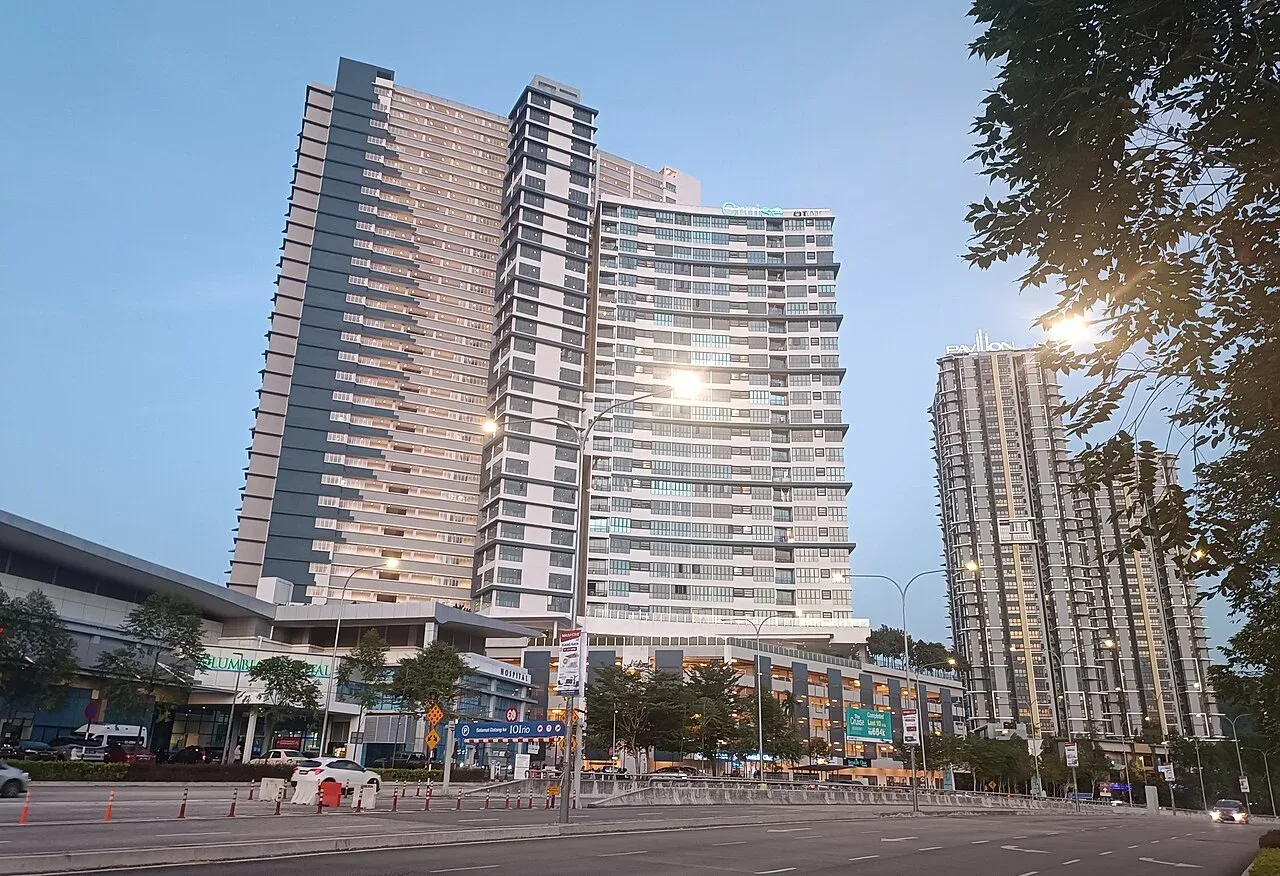
The drain point matters because it tells you where the limit of council action is. A covered drain is on private initiative, so the cleaning regime that keeps an open drain manageable is not available on that stretch. Control has to be organised by the owner, at the property.
The dengue figure matters because it changes what a mosquito visit is for. At that level of district transmission the useful work is source reduction, meaning finding and removing the standing water on your own lot, week after week, with fogging used to knock down adults when there is a case nearby. A fogging-only contract in PJ is spending money on the visible half of the job.
Where a number cannot be checked we leave it out. We do not publish per-street case counts here, because those change weekly. If you want your own locality’s current status, ask us and we will pull it from the live source on the day.
Key takeaway: In PJ, the property owner has to do the part the council cannot reach. That is the whole shape of the job here.
Quick Answer: Free inspection, written quote, licensed technician, written report with a review date, and a call back within 48 hours if the pest is active again inside the contract period.
Quick Answer: NPC has been a licensed pest control operator since 2006, holds Department of Agriculture licences and a Ministry of Finance supplier registration, and issues the pest control certificate councils and franchises ask for.
Quick Answer: We work across the whole of PJ, and many clients run PJ, Subang Jaya and KL premises under a single contract with one set of reports.
A PJ job is usually rats and termites rather than one or the other. Related services: termite control, cockroach control, rat control, ant control, bed bug control, mosquito control, fly control and flea and tick control. We also provide disinfection and sanitising, and pest control certificate renewal. See every area we cover on the service areas page. For pj pest control, call 03 8061 1875 or WhatsApp 016 335 9799, Monday to Saturday, 9am to 6pm.
A single-visit treatment for one house is priced per visit, and a termite job or a commercial contract is priced after inspection because the scope varies so much. We quote in writing after looking at the property, and the inspection itself is free.
Fogging targets adult mosquitoes in the air and has no effect on rodents. Rats in PJ mostly live in covered drain runs and building voids, which need monitored baiting at the harbourage and proofing of your building.
Usually, yes. In an occupied older house we normally start with a baiting system placed around the perimeter and at active points, which does not require drilling through finished floors. Drilling is only proposed where a soil barrier is genuinely the right answer, and we say so in the quote.
Yes. Damansara Utama, Damansara Jaya, Kelana Jaya, Tropicana, Ara Damansara, Mutiara Damansara, SS2 and the numbered Sections are all inside our normal PJ coverage.
Yes, that is the normal arrangement for food premises. Nothing is applied over prep surfaces, and you get a signed report for your licensing file at the end of each visit.
Activity usually drops within the first two to three weeks of a monitored baiting programme, and we track bait take visit by visit so you can see it rather than guess. If proofing work is outstanding on your building, sightings will continue until that is closed, which is why it is listed with dates on the report.
Want the drain line and the roof checked properly?
Book a free inspection. A licensed technician walks the drain run, the back lane and the roof space, then sends a written quote covering the treatment, the proofing work and the review visit.