Published: 12 November 2026
The treatment is booked for Saturday. Then the questions start. Do you wash every piece of clothing? Can the children stay home? Should the old mattress go out today? Good bed bug treatment preparation answers all of these before the technician arrives.
This guide for KL and Selangor families covers:
- A room-by-room checklist for the bedroom, wardrobe, living room and children’s room.
- Laundry that actually kills eggs, including what to do if you have no dryer.
- The mistakes that spread bed bugs to the rest of the home.
Want a preparation list made for your home?
We inspect first and tell you which rooms need what. Our general pest control covers homes across KL and Selangor. See our pest control services →
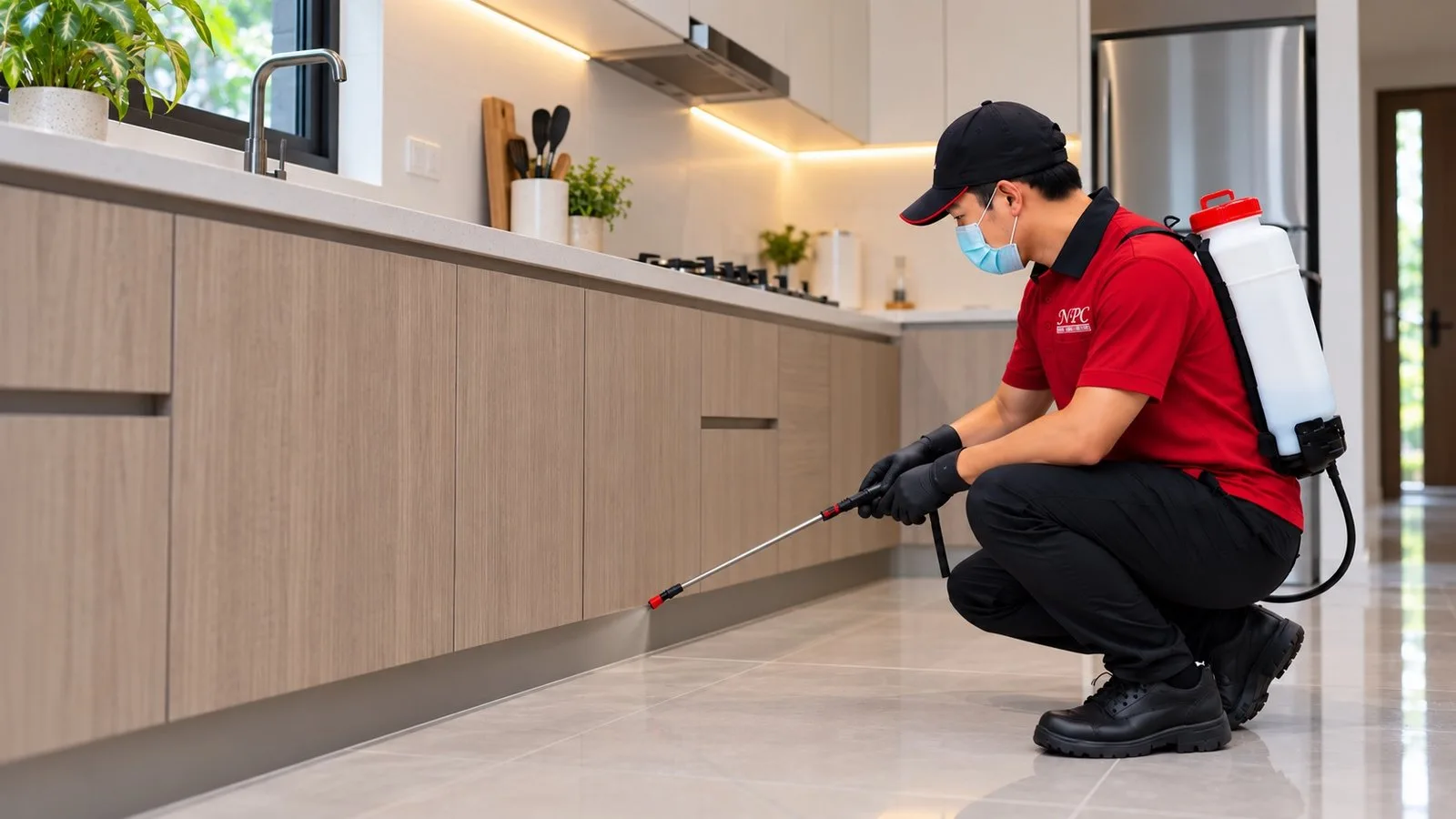
Here is a short look at NPC’s team at work.

1Why Does Bed Bug Treatment Preparation Matter?
Quick Answer: Bed bug treatment preparation matters because bed bugs hide in seams, cracks, clothes and clutter, and any spot the technician cannot reach becomes a refuge. A prepared room lets the treatment touch every hiding place, makes follow-up checks easier, and stops the household from carrying bugs into rooms that were clean.
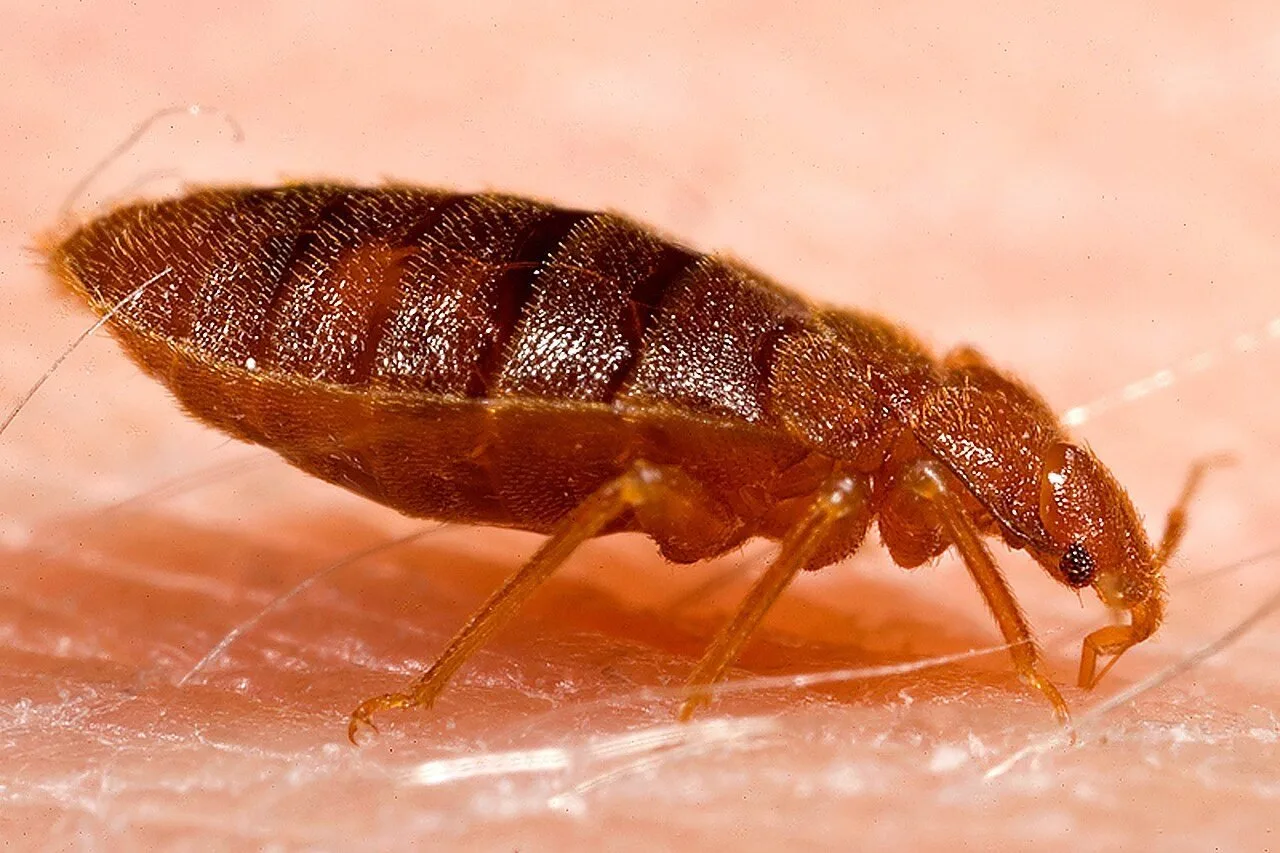
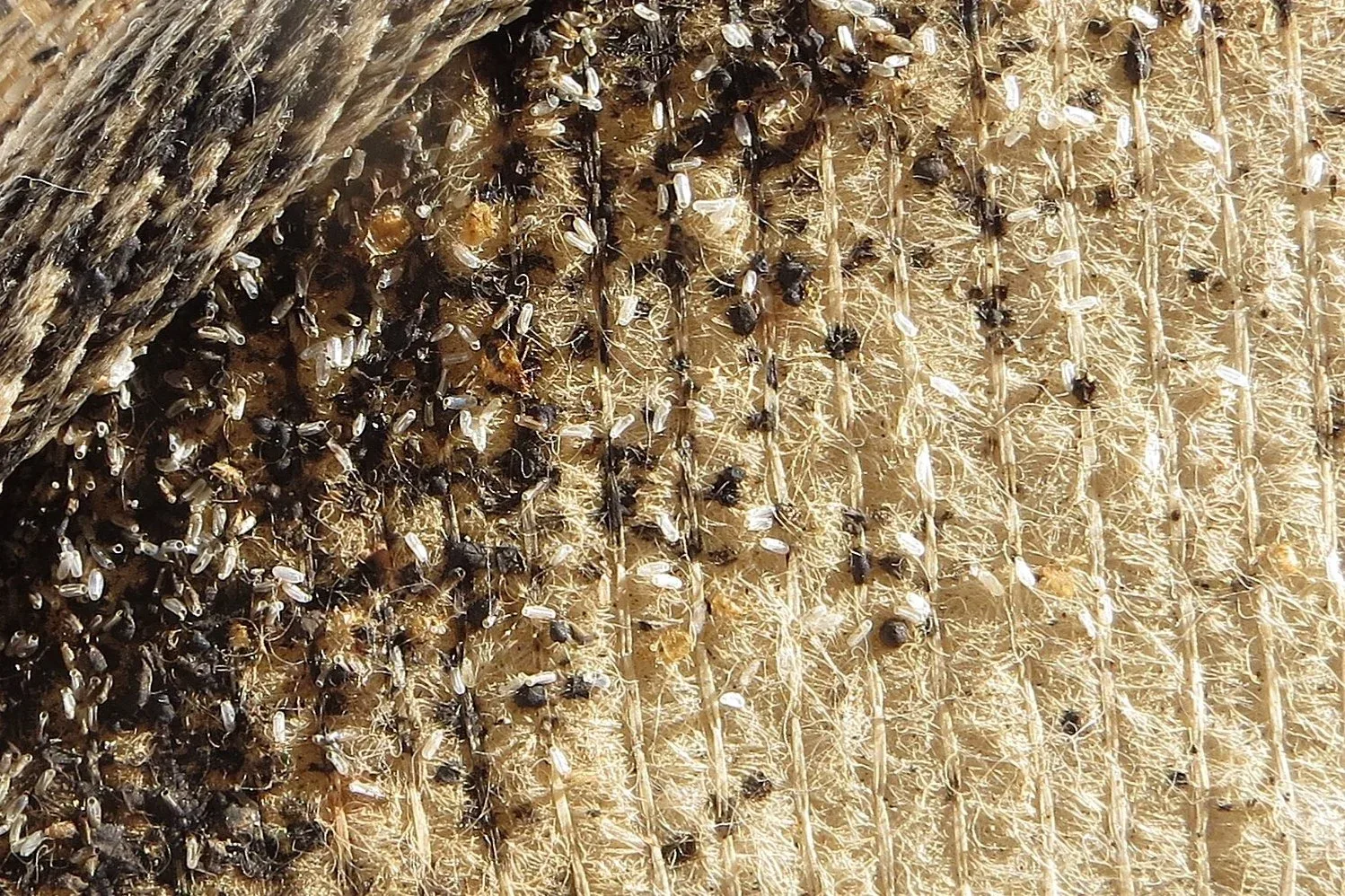
Bed bugs are small enough to hide in a screw hole, and a cluttered room gives them hundreds of places the treatment may never touch.
The US EPA says on its preparing for treatment page that preparation makes it easier to monitor for bugs that survive. Residents’ own work makes a real difference too. In a 2020 study of 70 infested apartments in Iran, trained households cleared bed bugs from 76% of homes after one month. By six months, every home was clear.
What good bed bug treatment preparation does:
- Opens up hiding spots along the bed frame and furniture joints.
- Removes infested fabric so it can be heat-treated separately.
- Keeps the problem in one room.
Our bed bug control page explains how a full treatment programme is planned once the rooms are ready.
2Bed Bug Treatment Preparation Checklist: Room by Room
Quick Answer: A bed bug treatment preparation checklist for any room is simple: bag and wash all bedding and clothes, empty drawers and wardrobes, clear clutter and cardboard from the floor, and pull the bed and furniture away from the walls. Each room has its own jobs, and each has one common mistake to avoid.
| Room or area | Do before the visit | Avoid |
|---|---|---|
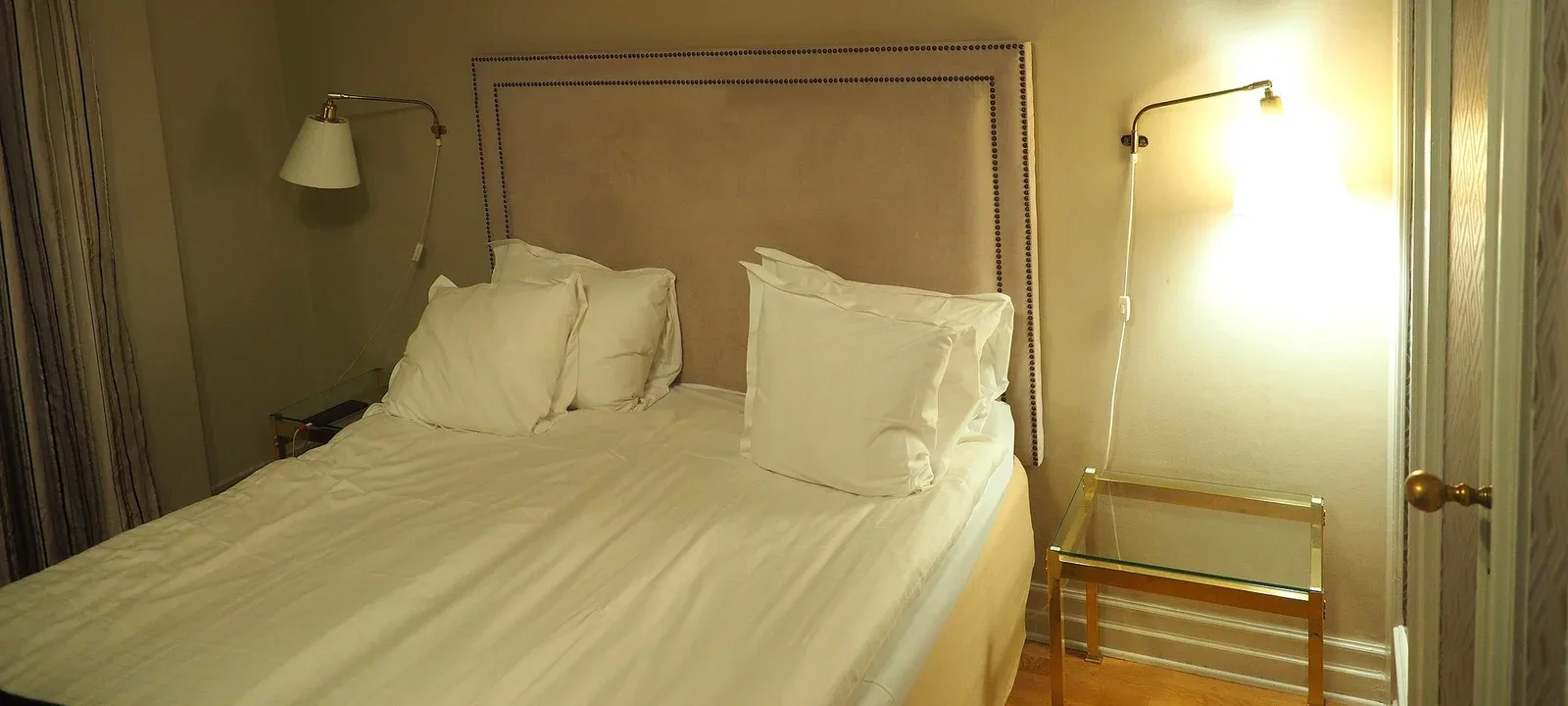
| Bedroom | Strip all bedding into sealed bags; pull the bed 30 cm from the wall; empty bedside drawers | Throwing out the mattress before the technician sees it |
| Wardrobe | Bag clothes for washing; leave the empty wardrobe open | Moving clothes to another room unbagged |
| Living room | Remove cushion covers for washing; clear items off and under the sofa | Sleeping on the sofa to escape the bites |
| Children’s room | Bag soft toys and bedding; clear toys off the floor | Using any household spray on cots or toys |
| Study or store room | Get rid of cardboard boxes and old paper; bag items you must keep | Storing bags in the same room after washing |
Source: guide by NPC Pest Control, 2026, based on the US EPA page “Preparing for Treatment Against Bed Bugs”. Always follow the instructions your own pest control operator gives you.
Work from the cleanest rooms to the worst one, so you never carry items from an infested room into a clean one.
How to prepare a room for bed bug treatment
Follow these steps over the two to three days before the visit.
- Ask for the operator’s own list. Products and methods differ, so confirm what your technician needs before you start.
- Bag fabric inside the room. Put bedding, clothes, curtains and cushion covers into plastic bags in the room, then tie them shut before carrying them out.
- Wash and dry on high heat. Wash at 60°C or tumble dry on hot for at least 30 minutes, then seal the clean items in fresh bags.
- Clear the floor and surfaces. Remove cardboard boxes, old newspapers and anything stored under the bed.
- Empty furniture. Leave drawers, bedside tables and wardrobes empty and open.
- Pull furniture from the walls. Move the bed, sofa and shelves about 30 cm out so the technician can reach the edges.
- Vacuum, then seal the bag. Vacuum the mattress seams and floor edges, seal the vacuum bag in plastic and take it to an outside bin.
If you are still deciding between heat and chemical methods, our heat vs chemical bed bug treatment guide explains how each changes the preparation.
3How Should You Wash Clothes Before Bed Bug Treatment?
Quick Answer: Wash clothes and bedding at 60°C, or tumble dry them on a hot setting for at least 30 minutes. Laboratory tests found both methods killed bed bug adults, nymphs and eggs. Soaking in plain water killed active bugs but not eggs, so a cold wash alone is part of bed bug treatment preparation that cannot be trusted.
| Laundry method tested | Life stages killed (out of 3) |
|---|---|
| Wash at 60°C | 3 of 3: Adults, nymphs and eggs killed |
| Tumble dry on a hot cycle (above 40°C) for at least 30 minutes | 3 of 3: Adults, nymphs and eggs killed |
| Freeze at −17°C for at least 2 hours | 3 of 3: Adults, nymphs and eggs killed (a 2.5 kg load took about 8 hours to get that cold) |
| Soak for 24 hours in water without detergent | 2 of 3: Adults and nymphs killed; eggs survived |
Source: J Econ Entomol, 2010 (PubMed 20214378), laboratory tests with bed bugs sealed inside clothing.
The test in J Econ Entomol (2010) sealed bed bugs inside clothing and ran them through different laundry methods. Freezing also worked, but a 2.5 kg load took about 8 hours to get cold enough, so a freezer suits small items only.
What this means for a Malaysian home:
- No dryer at home? Use the hottest wash the fabric allows, then take the loads to a self-service laundromat dryer for a full hot cycle.
- Do not rely on hanging clothes in the sun. Drying outdoors does not reach a steady, measured heat, so treat it as drying only.
- Delicate items can go to a dry cleaner.
Not yet sure it is bed bugs? Read our guide to bed bug bites and what to do next first.
4What Should You Do With Your Mattress, Sofa and Clutter?
Quick Answer: Keep the mattress, bed frame and sofa in place for the technician to treat, and do not throw them out before the inspection. Clear clutter instead: cardboard boxes, old papers and items stored under the bed give bed bugs places to hide. Books and electronics can usually be bagged or left for the technician to check.
| Item | Hot wash or hot dryer | Bag and seal | Leave for the technician | Throw out (sealed) |
|---|---|---|---|---|
| Bedsheets, pillowcases, blankets | Best | OK | No | No |
| Clothes in the wardrobe | Best | OK | No | No |
| Soft toys and cushion covers | Best | OK | No | Last resort |
| Mattress and bed frame | No | OK | Best | Last resort |
| Sofa | No | No | Best | Last resort |
| Books, papers, documents | No | Best | OK | No |
| Cardboard boxes | No | No | No | Best |
| Electronics and power points | No | OK | Best | No |
Source: guide by NPC Pest Control, 2026. Not measured data. “Best” is the usual first choice; “Last resort” applies only to items too badly infested or damaged to keep.
Throwing out a mattress feels like progress, but an unwrapped mattress drops bugs in the corridor and lift, and the frame and walls behind it still hold bugs.
Item by item:
- Mattress and bed frame. Leave them for treatment. Mattress encasements with full zips trap any bugs inside afterwards.
- Sofa. Remove loose covers for washing and leave the frame for the technician.
- Cardboard. The EPA advises getting rid of all cardboard boxes, since bugs hide in the layers.
- Anything you throw out gets wrapped in plastic first.
A new mattress also adds to the bill on top of treatment. Our bed bug treatment cost guide shows what a room or a whole unit usually costs in the Klang Valley.
5How Do You Prepare Children, Pets and Your Bags?
Quick Answer: Plan for everyone to be out of the treated rooms during the visit and until surfaces are dry. Pack a clean change of clothes in a sealed bag, check school bags and handbags, move pets and their bowls out, and cover fish tanks. Ask the technician for the exact re-entry time.
People and bags leaving the home carry bugs elsewhere, so this part of bed bug treatment preparation needs a plan.
A simple plan for treatment day:
- Children. Bag soft toys and cot bedding for a hot wash. Keep them out of the treated rooms until the technician says it is safe.
- Pets. Take cats and dogs out with their bowls and beds. Cover fish tanks and switch off the air pump if the technician asks.
- Bags. Empty handbags, school bags and laptop bags and check the seams. A 2017 study in Pest Manag Sci found only 3% of bed bugs placed on the outside of suitcases crawled inside within 24 hours. Most stay on the outside, so check outer seams and pockets too.
- Health needs. Tell the technician about asthma, pregnancy or infants at home.
Bed bugs in more than one room?
An inspection shows how far they have spread, so you only prepare the rooms that need it. Book a bed bug inspection →
6What Should You Not Do Before Bed Bug Treatment?
Quick Answer: The biggest bed bug treatment preparation mistakes are moving to the sofa, spraying household insecticide on the bed, carrying unbagged items between rooms, and leaving the home empty for weeks hoping the bugs starve. Each one spreads bed bugs or makes them harder to find.
Bed bugs follow people, so sleeping somewhere else simply gives them a new room.
Five common mistakes:
- Sleeping on the sofa. Bugs follow you, and the sofa becomes a second infested area.
- Spraying the bed yourself. In a study of 2,372 apartments, 59% of residents with bed bugs had used insecticide themselves. Sprays can scatter bugs deeper into walls and furniture.
- Moving items between rooms. The EPA says not to move items from an infested area to a clean one.
- Leaving the flat empty. In a PLoS One (2015) study, unfed bed bugs survived 134 days in a vacant flat.
- Using a bug bomb or fogger. Foggers miss bugs hiding in cracks and seams.
Our KL condo and rental bed bug guide explains how bugs move between units; our landlord or tenant guide covers who pays in a rented home.
7What Happens After Bed Bug Treatment?
Quick Answer: After the visit, bed bug treatment preparation turns into follow-up. Stay out until the treated surfaces are dry, then return to your own bed. Expect to see a few bugs for one to two weeks as eggs hatch, which is why most programmes include a follow-up visit. Keep clean items sealed until then.
| One bedroom, same treatment | Week 0 | Week 2 | Week 4 | Week 6 | Week 8 |
|---|---|---|---|---|---|
| Room fully prepared (bugs seen per check) | 20 | 6 | 2 | 0 | 0 |
| Room not prepared (bugs seen per check) | 20 | 11 | 9 | 12 | 15 |
Source: illustrative scenario by NPC Pest Control, 2026. Not measured data. Assumes a follow-up visit around week 2 in both rooms.
In a 2020 study of tropical bed bug strains, including one from Kuala Lumpur, eggs were highly resistant to every product tested.
For the weeks after treatment:
- Sleep in your own bed. Bugs that survive come out to feed and cross the treated surfaces.
- Ask before you clean the treated edges.
- Check every week. The EPA bed bug control page suggests inspecting about every 7 days for bugs that hatch later.
- Keep the encasements on long after the room is clear, so any hidden bugs stay trapped.
See our guide on how to pick a bed bug treatment provider.
8How Long Does Bed Bug Treatment Preparation Take?
Quick Answer: Bed bug treatment preparation usually takes one to three days for a single bedroom and longer for a whole home. Most of the time goes into laundry. Spread the washing over the days before the visit, and leave stripping the bed and moving furniture for the morning of the treatment.
| When | What to do |
|---|---|
| 3 days before | Get the operator’s list; buy plastic bags; start clearing clutter |
| 2 days before | Wash and dry clothes and spare bedding; seal clean loads |
| 1 day before | Empty drawers and wardrobes; get rid of cardboard; pack a clean change of clothes |
| Treatment morning | Strip and bag the bed; pull furniture from walls; vacuum; take pets out |
| After the visit | Wait for the re-entry time; sleep in your own bed; check weekly |
A bigger home repeats the same steps room by room. For what the visit involves, see our guide to how bed bug treatment works.
9Conclusion: A Ready Room Gets a Better Result
Quick Answer: Bed bug treatment preparation comes down to three things: heat-treat and seal every fabric item, clear the clutter so the technician can reach every edge, and keep sleeping and living as normal so bugs stay where the treatment is. Do those, and the follow-up visit has far less left to find.
While the technician is in your home, ask them to look at anything else that worries you, such as termite mud tubes on your wall. Visit the NPC Pest Control homepage to learn about our work across KL and Selangor, or see our pest control services to arrange an inspection.
10Frequently Asked Questions
1. How long before bed bug treatment should I start preparing?
Start two to three days before the visit, so you can wash every load and clear clutter without rushing. Strip the bed and move furniture on the morning itself.
2. Do I need to wash all my clothes before bed bug treatment?
Wash everything stored in the infested room, plus anything that has been on or near the bed. Clothes in a closed wardrobe in an unaffected room usually do not need washing, but ask your technician. Keep clean items sealed in bags until the room is cleared.
3. Can I stay at home during bed bug treatment?
Usually not in the rooms being treated. Most operators ask everyone, including pets, to stay out until the treated surfaces are dry, often a few hours. Ask your technician for the exact re-entry time and follow it.
4. Does NPC Pest Control offer free inspections?
Yes. NPC Pest Control is a licensed pest control operator in Puchong with over 15 years of work across Kuala Lumpur and Selangor, and inspections are free. Call 03-8061 1875 or 016-335 9799, Monday to Saturday, 9am to 6pm.
Not sure how much preparation your home needs?
We inspect first, show you where the bed bugs are, and give you a preparation list for your rooms before the treatment day.
Book a free inspection →