Last updated: 22 September 2026
1Heat or Chemical: Which Bed Bug Treatment Works in Malaysia?
Quick Answer: Neither works well alone in most Malaysian homes. Heat kills bed bugs and their eggs on contact but gives no lasting protection. Chemicals protect for weeks but struggle against resistant tropical bed bugs. The best bed bug treatment in Malaysia uses heat where fabric and eggs are, and the right chemical where bugs hide and travel.
Most guides to bed bug treatment in Malaysia frame it as a contest: heat is “chemical-free”, chemicals are “cheaper”. Pick one.
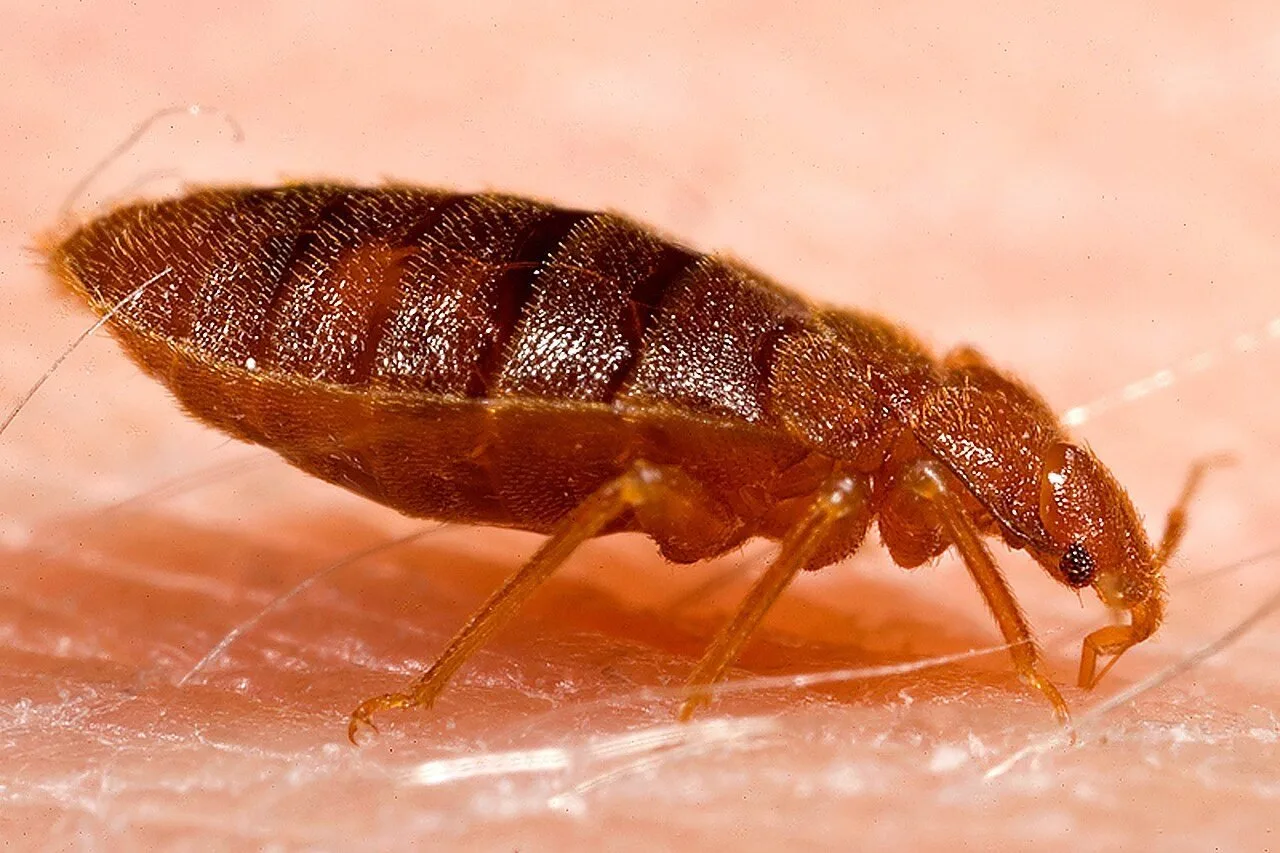
That framing misses two things that matter in Kuala Lumpur and Selangor. The bed bug found in most local homes, Cimex hemipterus, shrugs off many common sprays. And whole-room heat equipment is rare here, and many condo units cannot run it safely. So the real question is not heat or chemical, but which method goes where.
NPC Pest Control is a licensed operator in Puchong with over 15 years of pest work across the Klang Valley. For the service itself, see our bed bug control service page.
Not sure which option your home needs?
We inspect first, confirm it is bed bugs and show you where they are hiding before we recommend a method. See how our bed bug treatment works →
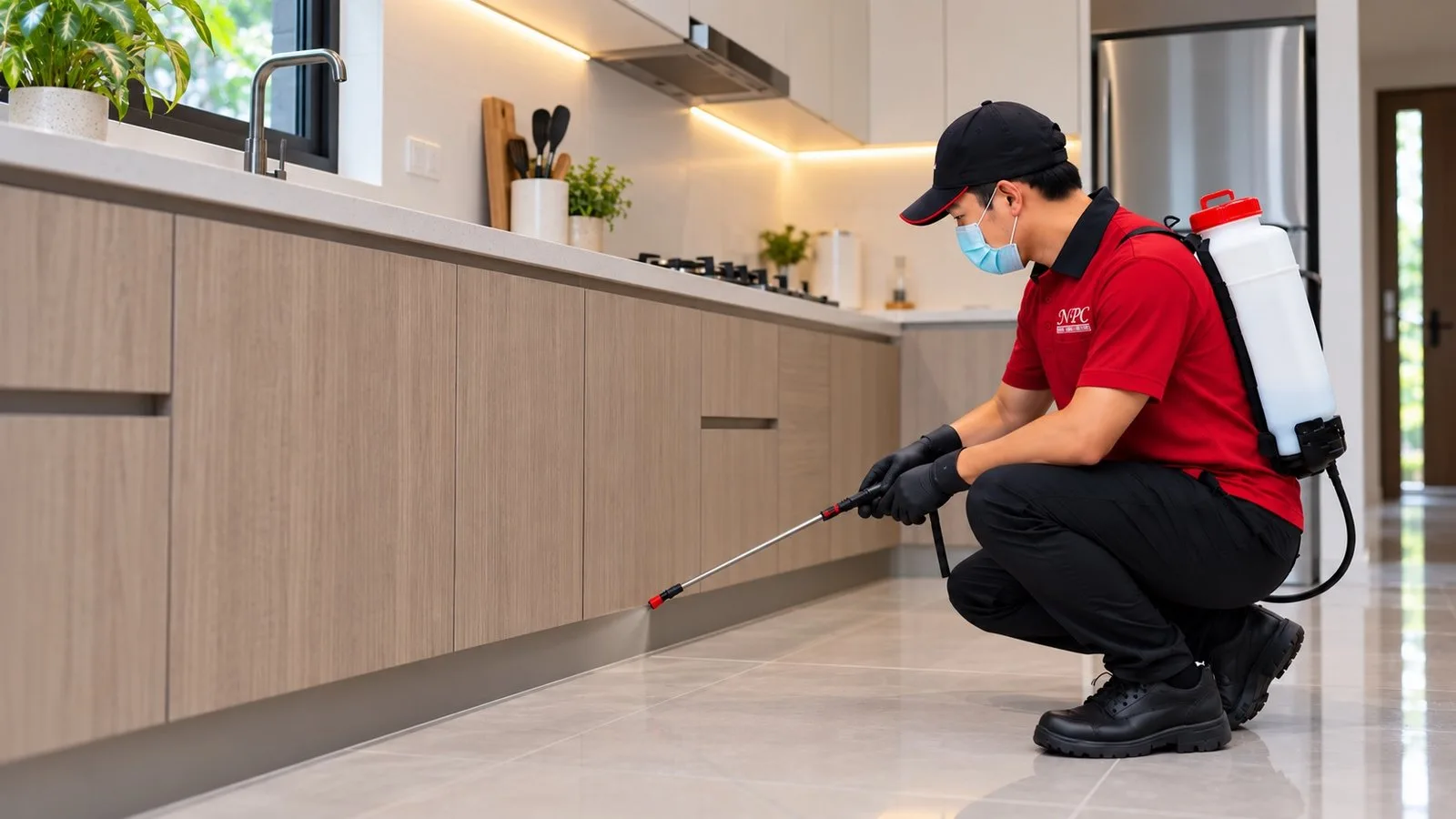
First, a short look at NPC’s licensed team at work.

2How Does Heat Treatment Kill Bed Bugs?
Quick Answer: Heat kills bed bugs by damaging their body proteins and drying them out. Adults die within minutes at about 48°C, but eggs need about 55°C for a quick kill, or over an hour at 48°C. So heat-based bed bug treatment in Malaysia only works when every hiding spot reaches a lethal temperature and stays there long enough.
The numbers come from a study in the journal Insects (2011) on commercial heat treatment conditions. It found that 48.3°C killed 99% of adults, while eggs needed 54.8°C. At lower temperatures, time does the work, and eggs are far tougher than adults.
| Life stage and temperature | Exposure time needed | Result |
|---|---|---|
| Eggs at 45°C | Survived 7 hours | |
| Adults at 45°C | 94.8 minutes | |
| Eggs at 48°C | 71.5 minutes | |
| Adults at 48.3°C | Near-instant (99% kill) | |
| Eggs at 54.8°C | Near-instant (99% kill) |
Source: Kells and Goblirsch, Insects 2011, laboratory trials on Cimex lectularius under commercial heat treatment conditions. Bar length shows minutes, capped at 420 (7 hours).
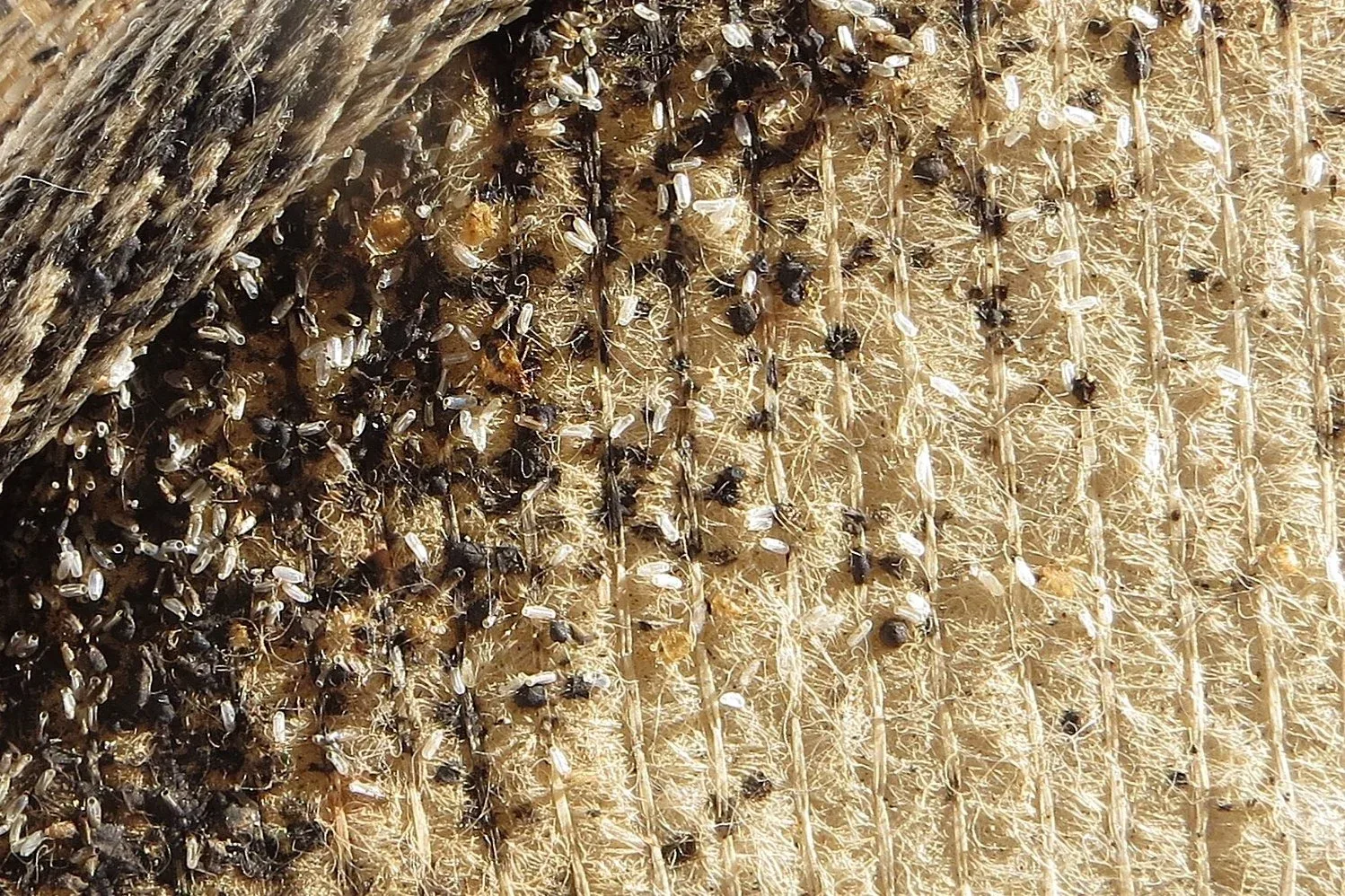
Eggs are the reason heat treatments fail. In the same study, eggs survived seven hours at 45°C. A room that “feels very hot” but only reaches 45°C inside a mattress seam or a wall socket will kill adults and leave the next generation behind.
Two other findings shape bed bug treatment in Malaysia:
- Bed bugs run from heat. Research in Scientific Reports (2024) notes that bed bugs avoid temperatures above 43°C, and heated bugs release an alarm scent that makes nearby bugs move. Slow, uneven heating pushes them into cooler spots.
- They do not easily become heat-resistant. A study in PLoS One (2019) found bed bugs have limited ability to develop heat resistance. Survivors of heat jobs usually hid in cool spots or escaped, rather than being “tough”.
3What Heat Treatment Options Are Available in Malaysia?
Quick Answer: Bed bug treatment in Malaysia uses three heat options: steam applied by hand to mattresses and fabric, whole-room heat using heaters and fans, and simple household heat such as hot washing and tumble-drying. Steam is the most common professional option here. Whole-room heat exists but is less common, costs more and does not suit every building.
Each heat option reaches a different part of the problem:
- Steam treatment. A nozzle moved slowly along mattress seams, sofa joints and curtains heats the surface past the egg-killing point in seconds. It works only on the spot it touches, and fabric must dry fully afterwards.
- Whole-room heat. Heaters and fans hold a room at lethal levels for hours while sensors track furniture temperature. It needs strong power, removal of heat-sensitive items and often condo management approval.
- Household heat. Hot washing and tumble-drying kills bugs in fabric you can move. It is preparation, not a treatment.
What heat cannot do. It leaves nothing behind. A bug hiding in a wall socket, or walking in from next door tomorrow, meets no resistance. That gap is why most bed bug treatment in Malaysia pairs heat with a residual product. Our guide to how professional bed bug treatment works shows how the visits are scheduled around this.
4Do Chemical Sprays Still Work on Bed Bugs in Malaysia?
Quick Answer: Some do, many do not. The tropical bed bug common in Malaysia has strong resistance to pyrethroids, the chemical group in most household sprays. Studies of strains from Kuala Lumpur and other Malaysian cities show very high resistance. Non-pyrethroid residuals and silica-based dusts still work, which is why the choice of chemical matters most.
A study in the Journal of Economic Entomology (2020) tested tropical bed bug strains, including one from Kuala Lumpur, and found over 300 times resistance to two pyrethroid products. Eggs were highly resistant to every product tested.
A newer study goes further. Researchers testing Malaysian strains from Selangor, Penang and Kuala Lumpur, reported in the Journal of Economic Entomology (2026), compared four dusts:
- A deltamethrin (pyrethroid) dust was largely ineffective against the resistant Malaysian strains.
- A pyrethrin dust with silica gel killed susceptible bugs within an hour but was much slower against Malaysian strains.
- A silica-based desiccant dust gave rapid and complete kill of the resistant strains, and worked best of the four.
Supermarket sprays are mostly pyrethroids, so spraying the bed yourself often just scatters the bugs. Professional bed bug treatment in Malaysia should use products chosen for resistant bugs, with dust in voids where bugs walk.
Sprayed the bed and still getting bitten?
That usually means resistant bugs, not a bad mattress. We confirm the species and hiding spots before choosing a product. Book a free bed bug inspection →
5Heat vs Chemical Bed Bug Treatment: How Do They Compare?
Quick Answer: Heat wins on egg kill, speed and no chemical residue. Chemicals win on lasting protection, reach into wall voids and lower cost. Whole-room heat needs the most preparation and equipment. Silica dust is slow but reliable. For most bed bug treatment in Malaysia, the table shows why a combination beats any single method.
The table compares four options on the questions homeowners actually ask.
| Question | Steam treatment | Whole-room heat | Residual spray | Silica-based dust |
|---|---|---|---|---|
| Kills eggs | Yes, on contact | Yes, if every spot is hot enough | Weak; eggs resist most products | Slowly, as nymphs hatch and walk through |
| Protection after treatment | None | None | Weeks, if the product suits resistant bugs | Months in undisturbed voids |
| Reaches wall voids and sockets | No | Partly | Cracks and frames only | Yes |
| Works on pyrethroid-resistant bugs | Yes | Yes | Depends on the active ingredient | Silica dust yes; pyrethroid dust poorly |
| Preparation and downtime | Low; fabric dries in hours | High; hours of heating, items removed | Moderate; room reusable after drying | Low |
| Suits condo units | Yes | Only with power and management approval | Yes | Yes |
| Relative cost | Moderate | Highest | Lower | Lower |
Source: NPC Pest Control comparison for Klang Valley homes, 2026, drawing on Insects 2011 and Journal of Economic Entomology 2020 and 2026. Relative cost only; see the cost guide for ranges.
Every method has a weak spot. Steam cannot reach inside walls, sprays miss eggs, whole-room heat suits few condos and dust is slow. Combine two or three and the weak spots cover each other.
Whole-room heat usually costs the most because of the equipment and hours involved. For bed bug treatment in Malaysia price ranges by home size, see our bed bug treatment cost breakdown.
6Where Does Each Method Reach in a Bedroom?
Quick Answer: Heat and steam work best on the bed itself: mattress seams, headboards and fabric. Chemicals and dust work best where heat struggles: wall sockets, skirting gaps and bed frame hollows. Clothes and bags are best handled with hot washing and drying. Matching the method to each hiding spot is what makes bed bug treatment in Malaysia work.
The heat map rates how well each method reaches six common hiding spots in a Klang Valley bedroom.
| Hiding spot | Steam | Whole-room heat | Residual spray | Silica-based dust | Hot wash and dry |
|---|---|---|---|---|---|
| Mattress seams | Strong | Strong | Not used | Partial | Not used |
| Bed frame joints and headboard | Strong | Strong | Strong | Partial | Not used |
| Sofa and curtains | Strong | Strong | Weak | Not used | Not used |
| Wall sockets and voids | Weak | Partial | Weak | Strong | Not used |
| Skirting and floor cracks | Partial | Partial | Strong | Strong | Not used |
| Clothes, bags and soft toys | Partial | Partial | Not used | Not used | Strong |
Source: illustrative guide from NPC Pest Control field experience, Kuala Lumpur and Selangor, 2026.
- The bed and sofa. Steam reaches seams and folds where eggs are glued. Many sprays are not labelled for mattresses.
- Walls and sockets. Disturbed bugs retreat into voids, where dust keeps working for months.
- Clothes, bags and soft toys. Hot wash and tumble-dry, then seal in clean bags. No chemical should go on these.
For hotels, bed bug treatment in Malaysia runs room by room between guests. Our pest control for hotels page explains how we fit treatments around bookings.
7Which Bed Bug Treatment Suits Your Home?
Quick Answer: A landed house or condo unit with a light to moderate infestation usually suits steam plus targeted residual and dust. Rental rooms and hostels need the same, plus checks of the rooms next door. Whole-room heat suits a small number of cases, such as heavy infestations in a single room with safe power supply and nothing heat-sensitive inside.
Here is how we usually match bed bug treatment in Malaysia to the property:
| Situation | Usual approach |
|---|---|
| Condo unit, one or two bedrooms affected | Steam on beds and sofa, residual on frames, dust in sockets, second visit |
| Landed home, several rooms | The same, room by room, with every bedroom inspected even if only one has bites |
| Rental room or hostel | Combined treatment plus checks of rooms that share a wall |
| Family with a baby, asthma or chemical concerns | Steam-led plan, with dust only in voids away from contact |
Tenants and landlords in Kuala Lumpur face extra questions about who pays and how to handle shared walls. Our bed bug treatment guide for KL condos and rentals covers those. If you are comparing companies, our guide to the best bed bug treatment providers lists what to ask.
Whatever the method, check the company is licensed. Every operator applying pesticides for hire must comply with the Pesticides Act 1974.
8Why Does a Combined Treatment Work Better Over Time?
Quick Answer: Heat alone drops bed bug numbers fast but lets them rebuild from missed spots. Spray alone drops them slowly and stalls against resistant bugs. A combined plan with a second visit keeps numbers falling to zero. The illustrative model below shows how live bug activity typically changes over eight weeks under each approach.
| Approach | Week 0 | Week 2 | Week 4 | Week 6 | Week 8 |
|---|---|---|---|---|---|
| Pyrethroid spray only | 100 | 70 | 65 | 70 | 75 |
| Steam only, one visit | 100 | 15 | 35 | 50 | 60 |
| Steam plus residual and dust, with follow-up visit | 100 | 15 | 5 | 1 | 0 |
Source: illustrative model by NPC Pest Control, 2026, for a moderate infestation with pyrethroid-resistant tropical bed bugs. Index, not a measured study.
This matches the research. Heat kills what it reaches, then survivors in cool spots breed again. Pyrethroid spray leaves resistant bugs and eggs alive. The combined plan hits every stage and hiding spot, and the follow-up visit catches the newly hatched young.
How to decide between heat and chemical bed bug treatment
Use these five steps before you agree to any bed bug treatment in Malaysia.
- Confirm it is bed bugs. Ask for an inspection that finds live bugs, shed skins, eggs or spots, since bites alone look like other problems.
- Map the hiding spots. Ask which spots are in fabric and which are in frames, sockets or walls.
- Match a method to each spot. Expect heat or steam for fabric and eggs, and residual or dust for voids and cracks.
- Ask about the product. Check that the chemical is not only a pyrethroid, given how resistant local bed bugs are.
- Book the follow-up. Make sure a second visit about two weeks later is in the quote, whichever method is used.
Bed bugs are handled separately from routine home pest control. Our overview of what a general pest control service includes explains the difference.
9Conclusion: Use Heat and Chemicals Where Each Works Best
Quick Answer: The best bed bug treatment in Malaysia is not a choice between heat and chemicals. It uses heat or steam on fabric and eggs, a non-pyrethroid residual and silica-based dust in frames and voids, and a second visit for hatched eggs. That mix answers both the egg problem and the resistance problem.
If a company offers only one method, ask how it handles the other half of the problem. If you keep spraying and still get bitten, stop and get an inspection.
For more on home pest care, visit the NPC Pest Control homepage, or see how our bed bug treatment service runs from inspection to final check.
10Frequently Asked Questions
1. Is heat treatment better than chemical treatment for bed bugs?
Neither is better on its own. Heat kills eggs and adults it reaches but leaves no protection, while chemicals protect for weeks but struggle with resistant tropical bed bugs. Most Malaysian homes get the best result from steam on fabric plus a suitable residual and dust in cracks and voids.
2. Can I kill bed bugs with a hair dryer or by putting the mattress in the sun?
Not reliably. Eggs need about 55°C for a quick kill, and a hair dryer or sunlight rarely heats the inside of seams and frames that much. Bugs also run from heat into cooler spots. Hot washing and tumble-drying bedding does work for fabric you can move.
3. Why do bed bugs come back after I spray?
Most household sprays are pyrethroids, and the tropical bed bug common in Malaysia is highly resistant to them. Spraying also pushes bugs deeper into walls and nearby rooms, and eggs survive. A professional plan uses different products and a follow-up visit for hatched eggs.
4. Is whole-room heat treatment available in Malaysia?
It exists but is less common and costs more. It needs heavy equipment, strong power and management approval in many condos. For most homes, steam plus residual and dust gives a similar result.
5. Does NPC Pest Control treat bed bugs in Kuala Lumpur and Selangor?
Yes. NPC Pest Control is a licensed operator based in Puchong with over 15 years of pest work across Kuala Lumpur and Selangor. We start with a free inspection and recommend a method for each hiding spot. Call 03-8061 1875, Monday to Saturday from 9am to 6pm.
Get a bed bug plan that covers eggs and resistant bugs
Our licensed team inspects your home for free, maps every hiding spot and explains which method goes where before any treatment starts.
Book my free bed bug inspection →