
Last updated: 22 September 2026
1Who Is This KL Condo and Rental Guide For?
Quick Answer: This guide is for tenants, landlords, condo owners and short-stay hosts who need bed bug treatment in Kuala Lumpur. It explains why bugs spread so easily in high-rise and rented homes, who should do what, how treatment runs in a condo, and how to check a unit before you move in. Use it before you call anyone.
Most pages on bed bug treatment in Kuala Lumpur describe the spray and the steam. In a condo or rented room, the harder questions are about people: who reports the bites, who pays, and what happens if the bugs came from next door.
NPC Pest Control is a licensed operator based in Puchong with over 15 years of pest work across the Klang Valley, and these questions come up on almost every high-rise job. For the service itself, see our bed bug control service page.
Found bites in your condo or rented room?
Our team inspects for free and tells you exactly where the bugs are before anyone pays for treatment. See how our bed bug service works →
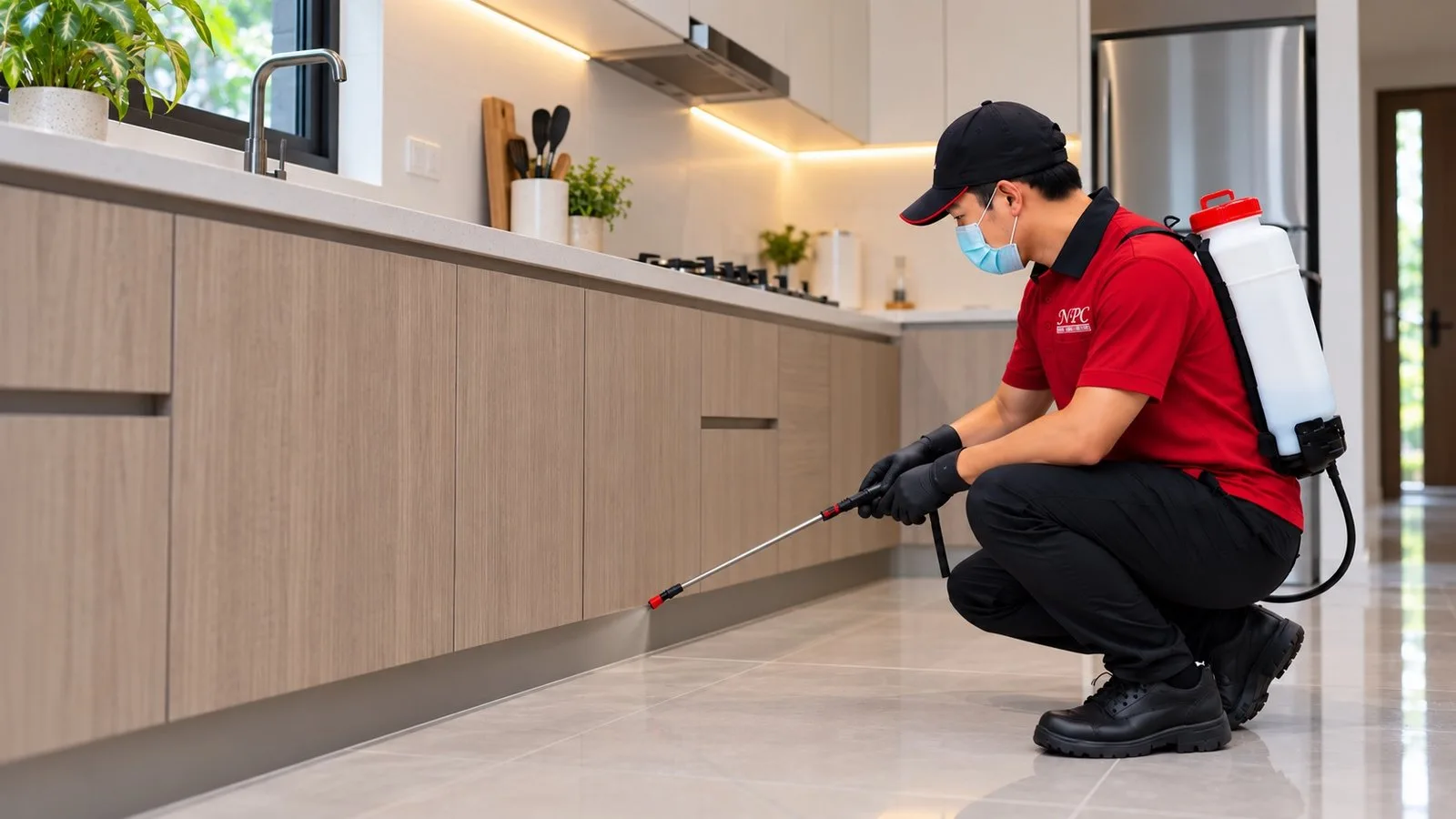
First, a short look at NPC’s licensed team at work.

2Why Are Bed Bugs So Common in KL Condos and Rentals?
Quick Answer: Bed bugs spread easily in KL condos and rentals because people, bags and furniture move through them constantly. Shared walls and sockets let bugs walk between units, tenants change often, and second-hand beds are common in rented rooms. The risk is highest in co-living rooms and short-stay units, where turnover is fast and bites go unreported.
| Spread route | Family condo | Studio or serviced apartment | Co-living or rented room | Short-stay rental unit | Landed terrace |
|---|---|---|---|---|---|
| Shared walls, sockets and pipes | Medium | High | High | High | Low |
| Frequent change of occupants | Low | Medium | High | High | Low |
| Guest luggage and travel | Medium | Medium | Medium | High | Medium |
| Second-hand beds and sofas | Medium | Medium | High | Medium | Low |
| Clutter and storage near beds | Medium | Medium | High | Low | Medium |
| Delay before reporting bites | Low | Medium | High | High | Low |
Source: illustrative guide from NPC Pest Control inspection experience in Kuala Lumpur and Selangor, 2026. Not a measured study.
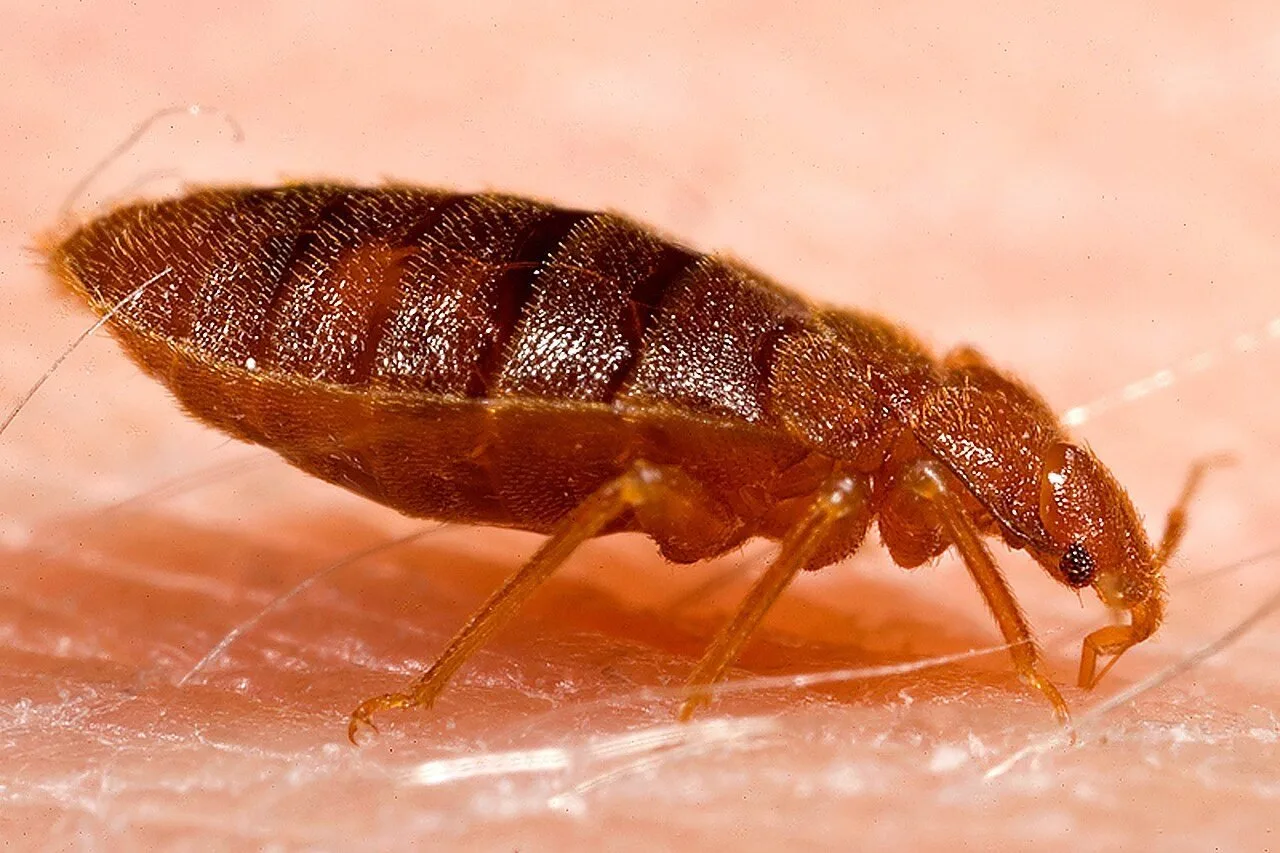
Bed bugs do not come from dirt. They arrive on luggage, used furniture and visitors, then settle close to where people sleep.
A 2020 genetic study in Insects of tropical bed bugs from 18 infested premises in Malaysia and Singapore, including hostels, hotels and homes, found signs of multiple introductions. New bugs keep arriving from outside, which is why bed bug treatment in Kuala Lumpur must plan for the next visitor too.
- Co-living and rented rooms. Several tenants, shared furniture and frequent move-ins make this the highest-risk home type.
- Short-stay units. Guests bring bugs in and leave before bites are noticed. Our pest control for hotels page explains how guest rooms are handled.
- Landed terraces. Lower risk from neighbours, but used furniture and travel still bring bugs in.
3Where Do Bed Bugs Hide in a KL Condo Unit?
Quick Answer: Most bed bugs hide within a metre or two of the bed. A survey of 54 infested premises in Malaysia and Singapore found them mainly in bedding, headboards, and cracks and crevices along skirting, walls and floors. In condos, they also hide in wall sockets and gaps that connect to the next unit.
| Location in the room | Share of infestation records |
|---|---|
| Bedding: mattress, sheets and pillows | 31.1% |
| Headboard and bed frame | 30.3% |
| Cracks and crevices at skirting, walls and floor | 23.5% |
| All other locations (sofas, sockets, curtains and more) | 15.1% |
Source: How and Lee, Survey of bed bugs in infested premises in Malaysia and Singapore, Journal of Vector Ecology, 2010 (54 sites, July 2005 to December 2008). “All other locations” is the remainder of the three reported shares.
The figures come from a survey published in the Journal of Vector Ecology (2010), which found only one species in every infested site: the tropical bed bug, Cimex hemipterus. Bedding accounted for 31.1% of records, headboards 30.3% and cracks and crevices 23.5%.
For a KL condo, that tells you where to look first:
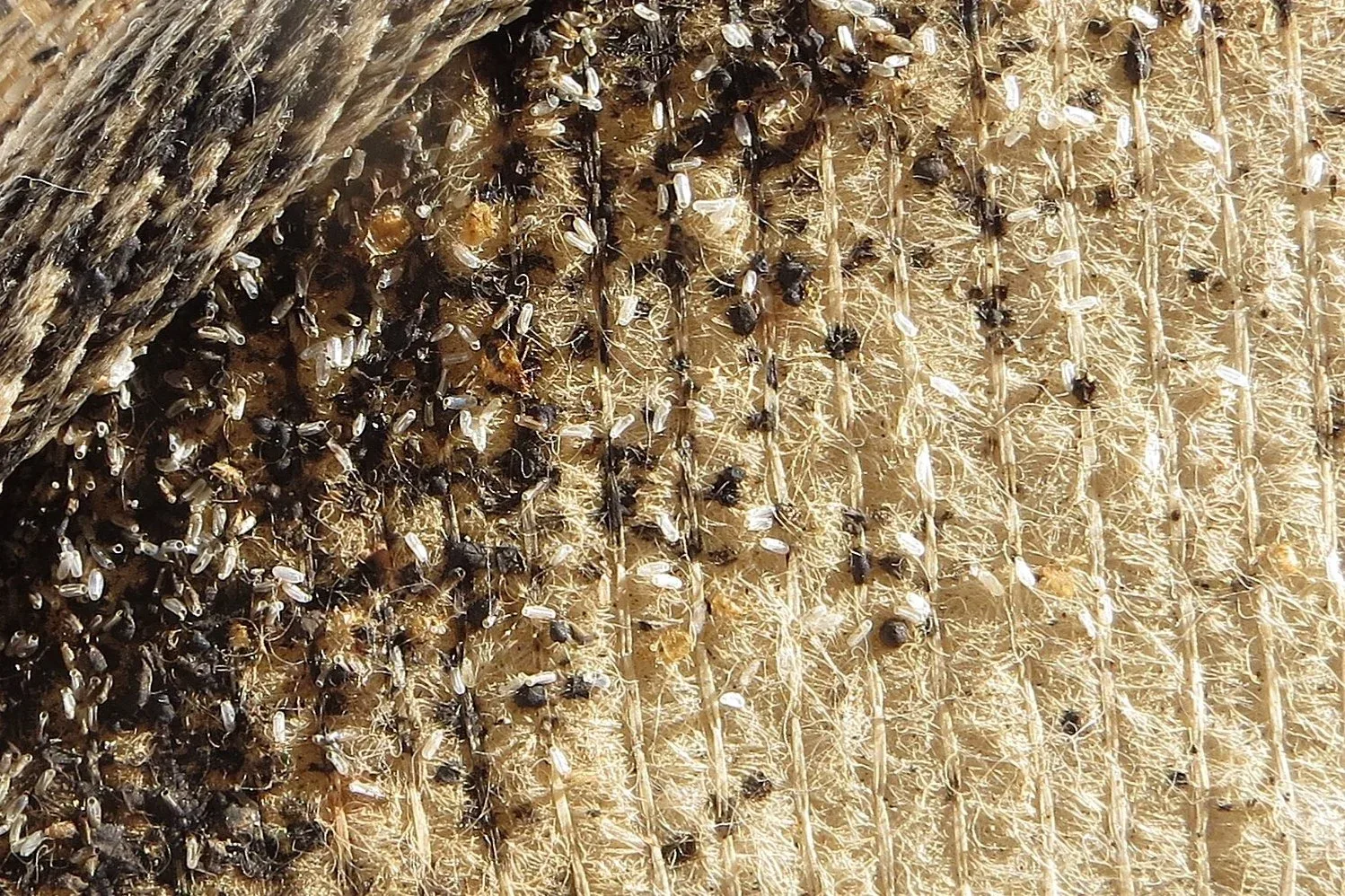
- Mattress seams and piping. Look for small dark spots, pale shed skins and tiny cream eggs.
- Headboard and bed frame. Check the joints, screw holes and the back of the headboard against the wall.
- Skirting and wall sockets. These gaps can link to the wall void shared with the unit next door.
Our guide to how professional bed bug control works explains how each of these spots is treated.
4How Does Bed Bug Treatment in Kuala Lumpur Work in a Condo?
Quick Answer: In a condo, bed bug treatment in Kuala Lumpur usually runs in four stages: a free inspection to map hiding spots, a first visit with steam and residual products, a follow-up about two weeks later for newly hatched bugs, and a final check. The contractor registers with the management office for each visit, and neighbouring units are checked if signs point to the walls.
The method inside the unit is the same as in any home. What changes in a condo is the building around it:
- Access. Most KL condos ask contractors to register at the guardhouse or management office. Book visits on days the owner or tenant can let the team in.
- Timing. Eggs survive the first visit, so the follow-up must happen roughly two weeks later. Missing it is the most common reason treatment fails.
- Method. Steam treats mattresses and fabric, and dusts or residual products go into frames, cracks and sockets. Our guide to heat versus chemical bed bug treatment explains which method suits which spot.
- Product choice. A Journal of Economic Entomology study (2020) found tropical bed bug strains, including one from Kuala Lumpur, more than 300 times resistant to two pyrethroid products. Spray alone is rarely enough.
5Who Pays for Bed Bug Treatment in a Rented Home?
Quick Answer: Who pays for bed bug treatment in a rented Kuala Lumpur home depends on the tenancy agreement and when the bugs appeared. Bugs found at move-in usually point to the landlord, while bugs that arrive months later are often shared or paid by the tenant. The fairest way is to agree in writing after an inspection, before treatment starts.
| Who | When bugs are found | During treatment | After treatment |
|---|---|---|---|
| Tenant | Report bites or bugs early, in writing | Wash and dry bedding hot, clear clutter, stop DIY spraying | Keep bags off the floor, check luggage after travel |
| Landlord or owner | Book an inspection, agree who pays | Approve the treatment and give access for every visit | Check furniture between tenants; avoid unchecked second-hand beds |
| Management office (JMB or MC) | Receive notice if bugs may be in other units | Allow contractor entry, notify neighbours on the same floor | Keep records if several units report bugs |
| Licensed pest control company | Inspect, confirm bed bugs and map hiding spots | Treat on schedule and leave a written report | Re-inspect after the last visit and advise on neighbours |
Source: NPC Pest Control practice guide for Kuala Lumpur rentals, 2026. Who pays is set by your tenancy agreement, not by this table.
Your tenancy agreement decides the cost. Many KL agreements say nothing about pests. If yours is silent, agree a split for bed bug treatment in Kuala Lumpur in writing, for example landlord pays and tenant handles washing and clutter.
A few points help both sides:
- Report early and in writing. A dated WhatsApp message with photos of bites or bugs protects the tenant and gives the landlord time to act.
- Use the inspection report. A licensed company’s findings show how widespread the bugs are, which helps settle whether they are new or old.
- Keep the treatment report. Under rule 14 of the Pest Control Operator Rules 2004, a licensed operator must give a written report of the products and amounts used. Landlords can show it to the next tenant.
6Should Neighbouring Units Be Treated Too?
Quick Answer: Neighbouring units should be checked when bugs keep returning after a proper two-visit programme, or when the inspection finds bugs in sockets and skirting on a shared wall. Treating one unit while the next one stays infested often gives a few quiet weeks, then a new wave of bites, as the illustrative model shows.
| Approach | Week 0 | Week 2 | Week 4 | Week 6 | Week 8 | Week 12 |
|---|---|---|---|---|---|---|
| Your unit treated, neighbours never checked | 100 | 35 | 15 | 25 | 40 | 60 |
| Your unit treated, infested neighbour also treated | 100 | 30 | 10 | 5 | 2 | 0 |
Source: illustrative model by NPC Pest Control, 2026. Index values, not counts; assumes the neighbouring unit is infested. Not a measured study.
The model assumes the unit next door is infested. Treating only your unit cuts activity at first, but bugs keep crossing through wall gaps. Bed bug treatment in Kuala Lumpur that covers both units keeps activity down.
This is where the management office helps. Under the Strata Management Act 2013, the joint management body or management corporation looks after common property, and it can notify residents on the same floor.
- Ask the company to note shared-wall signs in the inspection report.
- Share the report with management so they can alert nearby units.
- Coordinate dates if a neighbour agrees to treat, so both units are done within the same week.
Hostels and co-living operators with several rooms should treat the building as one job. Our overview of what a pest control service includes explains how whole-premises plans work.
Bites came back after an earlier treatment?
We can inspect your unit and advise whether the problem is coming through the walls. Ask for a free re-inspection →
7How to Check a KL Rental for Bed Bugs Before Moving In
Quick Answer: Before you sign a KL tenancy or move into a room, check the bed, headboard, sofa and wall sockets for dark spots, shed skins and live bugs. Do it in daylight with a torch, before you bring in your own bags. If you find signs, ask the landlord to arrange bed bug treatment in Kuala Lumpur before move-in.
How to check a rented unit for bed bugs
This takes about 15 minutes per bedroom.
- Bring a torch and a card. Use a bright torch and a stiff card to slide into seams and cracks.
- Strip the mattress. Check the seams, piping and tags on both sides for dark spots, pale skins and small cream eggs.
- Check the frame and headboard. Look at joints, screw holes and the back of the headboard where it touches the wall.
- Inspect the sofa and curtains. Run the card along cushion seams and curtain folds.
- Look at sockets and skirting. Shine the torch along skirting boards and around socket covers near the bed.
- Record what you find. Take dated photos and send them to the landlord before you sign or move in.
Landlords can do the same between tenants. A check at every turnover costs far less than bed bug treatment in Kuala Lumpur later, and it protects the owner in any dispute.
8What Should a KL Bed Bug Quote Include?
Quick Answer: A good quote for bed bug treatment in Kuala Lumpur shows one total price, the number of visits, the methods and products, the rooms covered and what happens if bugs return. For a condo unit, expect around RM600 to RM1,500 for a full programme and RM400 to RM800 for one rented room, based on indicative Klang Valley ranges.
| Quote item | What good looks like | Red flag |
|---|---|---|
| Price | One total covering every visit | A per-visit rate with no total |
| Visits | At least two, about two weeks apart | One spray visit only |
| Method | Steam on fabric plus dusts or residuals in cracks | Spray only, no product named |
| Neighbours | Shared-wall signs noted and advice given | No mention of the building at all |
| Return terms | Free re-treatment within a set period | Nothing in writing |
For the full price breakdown by home type and infestation level, see our bed bug treatment cost guide for Malaysia. To compare companies, our guide to choosing the best bed bug treatment provider lists the questions to ask. Anyone applying pesticides for hire must also comply with the Pesticides Act 1974, so ask for the licence.
9Conclusion: Plan for the Whole Building
Quick Answer: Bed bug treatment in Kuala Lumpur condos and rentals works when the whole building is in view: a proper inspection, two visits timed to egg hatching, a written agreement on who pays, and help from the management office when bugs come through the walls. Check every rental before moving in, and never rely on DIY spray.
High-rise living makes bed bugs easier to catch, but bed bug treatment in Kuala Lumpur is straightforward when everyone knows their part. Report early, agree the cost in writing and keep the reports.
For more on home pest care, visit the NPC Pest Control homepage, or see how our bed bug treatment service runs from inspection to final check.
10Frequently Asked Questions
1. How much does bed bug treatment cost in Kuala Lumpur?
For a full programme with a follow-up visit, a KL condo unit is usually quoted RM600 to RM1,500 and a single rented room RM400 to RM800. Landed houses cost more. These are indicative Klang Valley ranges; the real price follows an inspection.
2. Do I need the management office’s permission to treat my condo unit?
Treatment inside your own unit usually only needs the owner’s consent, but most KL condos require contractors to register at the guardhouse or management office. Tell the management early if bugs may be in neighbouring units, so they can notify residents.
3. Can bed bugs travel from the unit next door?
Yes. Bed bugs can move along wall gaps, sockets and pipe openings, and they also travel on bags and furniture in shared corridors. If your unit keeps getting bugs after treatment, ask for the neighbouring units to be checked.
4. Should I move out during bed bug treatment?
Usually only for a few hours. Most homes can be used again once the treated surfaces are dry, often the same day. Do not move to a friend’s place with unwashed bags and bedding, because that is how bed bugs spread to a new home.
5. Does NPC Pest Control inspect condos and rental rooms in Kuala Lumpur?
Yes. NPC Pest Control inspects for free across Kuala Lumpur and Selangor, including condos, rented rooms and short-stay units. Call 03-8061 1875 or 016-335 9799, Monday to Saturday from 9am to 6pm.
Bitten in your KL condo or rental? Get it checked this week
Our licensed team inspects for free, works with your landlord and management office, and gives you one written plan that covers every visit.
Book my free bed bug inspection →