
Last updated: 23 September 2026
1Why Does Pest Pressure Change From Street to Street in KL?
Quick Answer: Kuala Lumpur packs towers, shophouses, wet markets, flats and old landed suburbs into a small area, and each feeds a different pest. A block in Bukit Bintang and a terrace house in Cheras have almost nothing in common, so pest control services in Kuala Lumpur should start from your address, not a standard spray round.
Pests follow food, water and shelter, and Kuala Lumpur lays those out differently from one kilometre to the next. A high-rise stacks 40 kitchens together and links them with a chute. A shophouse row shares a back lane and an open drain. A 1970s terrace house sits on soil that has fed a colony for years.
This guide maps that out, so you can brief pest control services in Kuala Lumpur properly. It covers:
- Area by area. Which pests dominate in towers, shophouses, flats, landed suburbs and market clusters.
- The evidence. What published surveys found in named Kuala Lumpur neighbourhoods.
- Building by building. How pressure changes between a condo unit, a shophouse and an office floor.
- What to do next. The checks to run at your address before calling anyone.
For the general picture, our guide to what pest control services include in 2026 covers what a normal visit involves.
Not sure which pest you are looking at?
A free inspection names the species and shows whether the problem starts inside your unit or outside it. See the pest control services we inspect for →
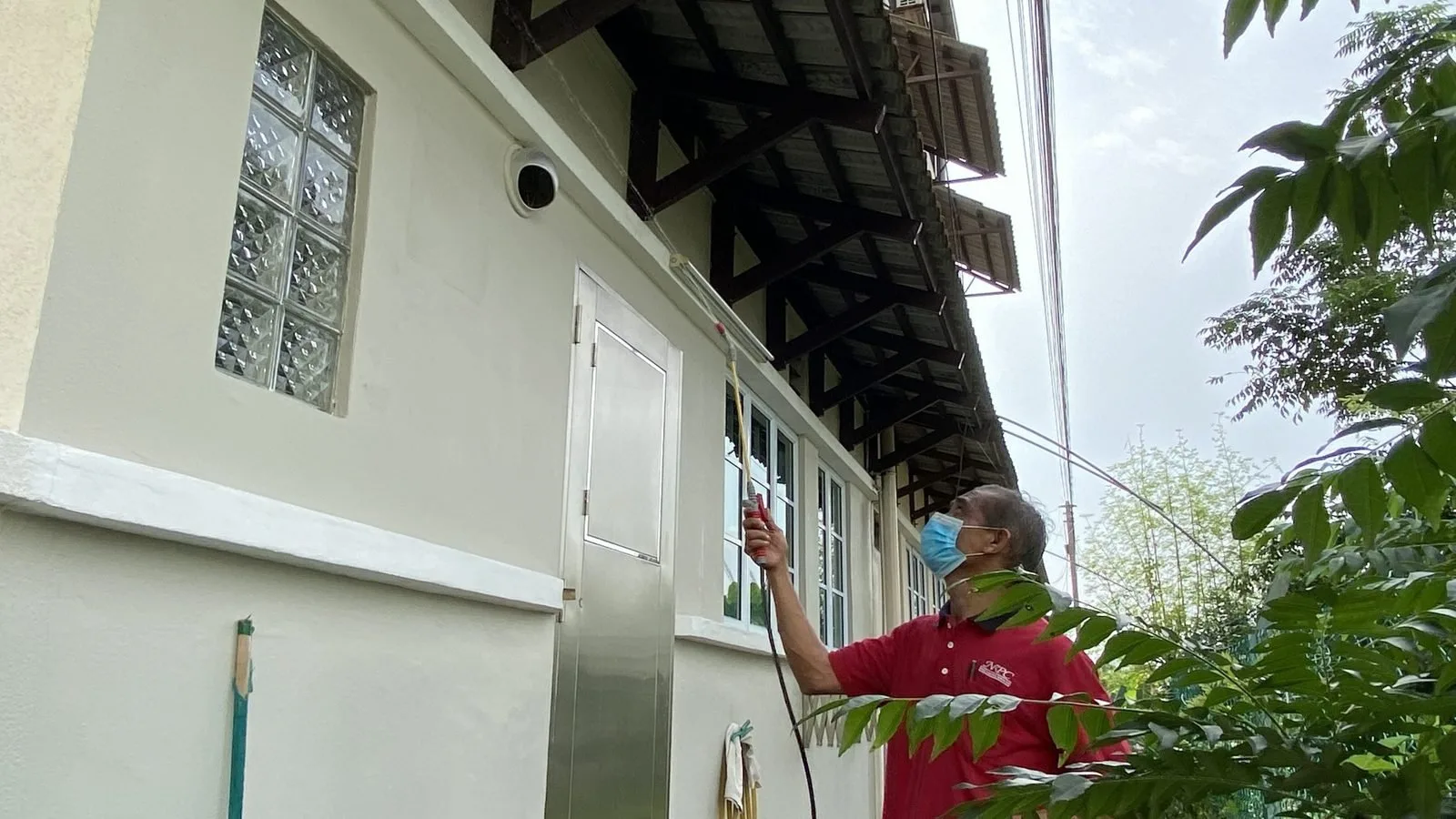
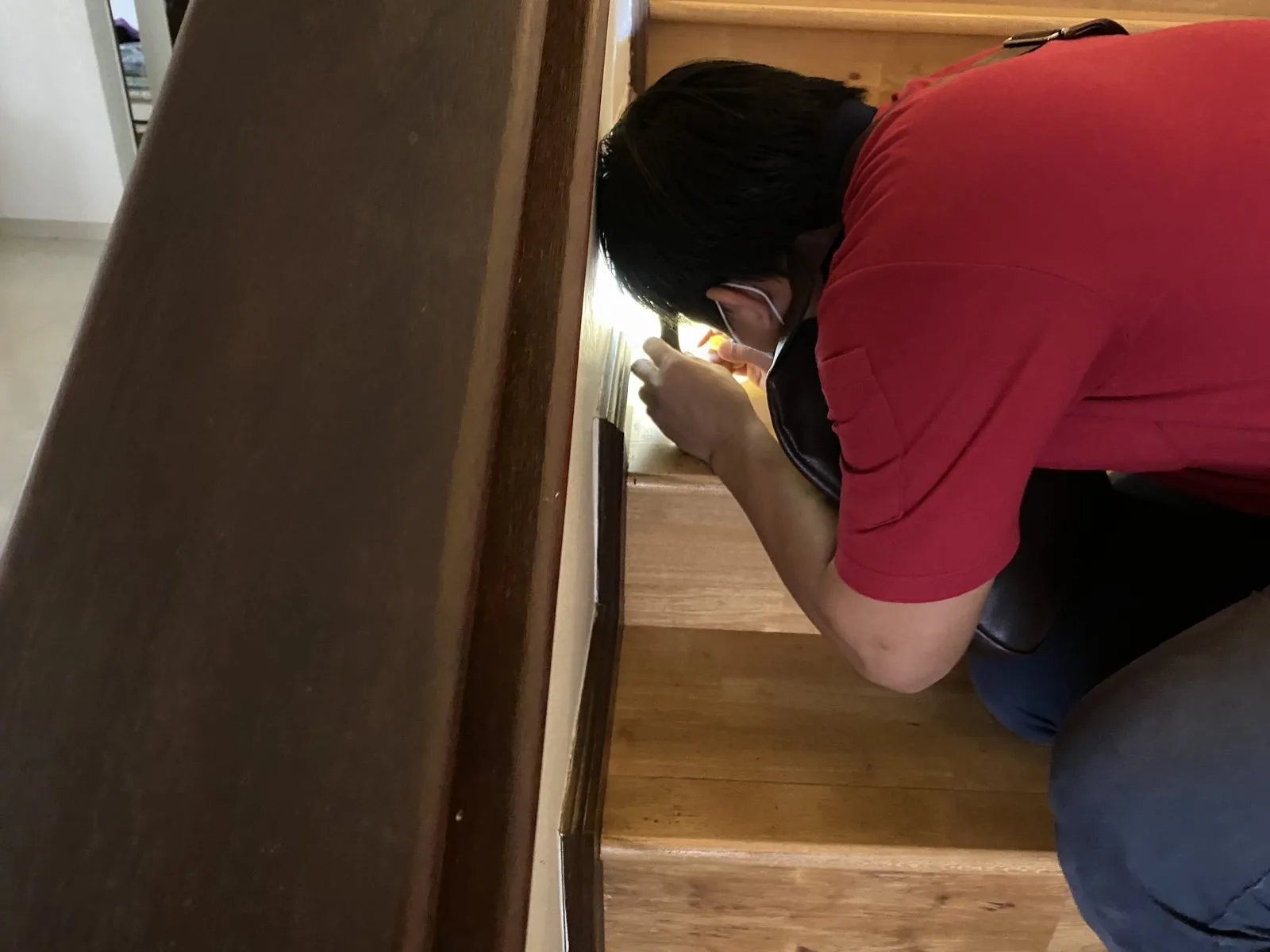
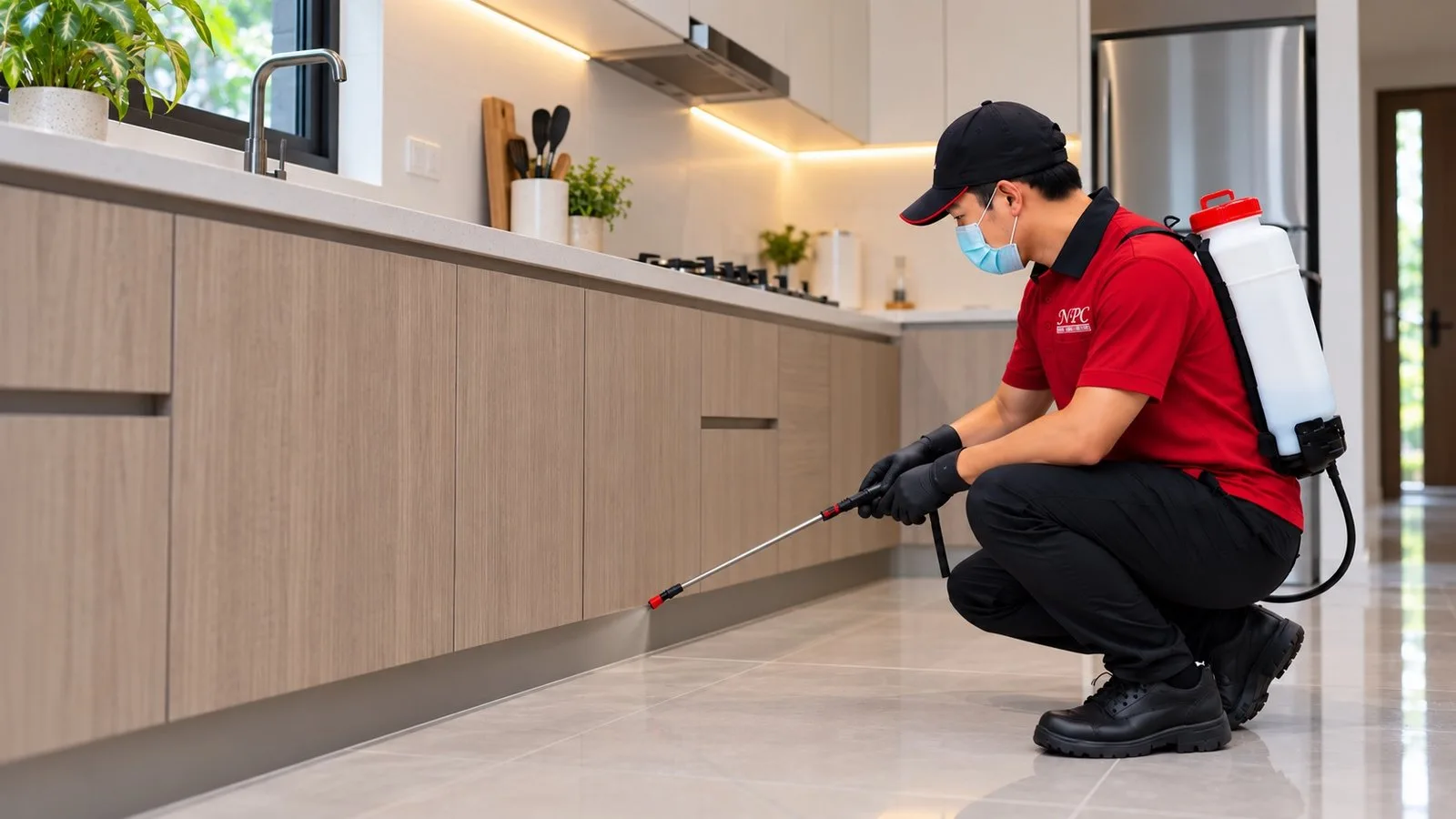
Here is a short look at our licensed team at work.

2Which Pests Are Most Common in Each Part of Kuala Lumpur?
Quick Answer: Six broad area types cover most of the city. Towers bring German cockroaches, bed bugs and Pharaoh ants. Shophouse rows and markets bring rats, American cockroaches and flies. Landed suburbs bring termites and mosquitoes. Pest control services in Kuala Lumpur work best when the plan starts from this pattern.
| Part of Kuala Lumpur | Pests we see most | Why that area gets them |
|---|---|---|
| City-centre high-rise KLCC, Bukit Bintang, Bangsar South | German cockroaches, bed bugs, Pharaoh ants | Shared chutes, stacked wet risers, fast tenant turnover |
| Old shophouse rows Pudu, Chow Kit, Petaling Street, Jalan TAR | Rats, American cockroaches, flies | Shared back lanes, open drains, overnight food waste |
| Mature landed suburbs Bangsar, Taman Tun, Cheras, Kepong | Subterranean termites, ants, mosquitoes | Older timber on soil, mature trees, standing garden pots |
| Low-cost and walk-up flats PPR blocks, Sentul, Setapak, Salak South | Mosquitoes, cockroaches, rats | Shared bin areas, water tanks, stagnant common areas |
| Riverside and low-lying pockets Kampung Baru, Sentul, Jalan Ipoh | Rats, mosquitoes, flies | Drains back up after heavy rain, pushing pests indoors |
| Food and market clusters Wet markets, hawker courts, food streets | Rats, flies, cockroaches | Constant food, grease traps, cardboard, once-a-day bins |
Source: illustrative guide by NPC Pest Control, 2026, based on the jobs we attend across Kuala Lumpur. Area names are examples, not a ranking.
Two rows surprise people most.
- Termites barely appear in the city centre. They travel through soil, so a 20th-floor unit is out of reach. The same pest is the biggest risk in Bangsar, Kepong or Cheras, where older timber sits near the ground. See our termite control page.
- Bed bugs cluster where people move most. Short-stay rentals and shared units turn over guests and second-hand furniture constantly, which is how bed bugs arrive. See our bed bug treatment guide for KL condos and rentals.
The two kinds of cockroach split by area too. American cockroaches come up from drains, so they appear in ground-floor shophouses and back lanes. German cockroaches arrive in deliveries and breed indoors, which is why they dominate kitchens and towers. Our guide to cockroach control in KL homes and eateries explains why the two need different methods.
3What Have Surveys Actually Found in KL Neighbourhoods?
Quick Answer: Published studies have sampled named Kuala Lumpur localities. A third of rats trapped at four city wet markets carried Leptospira. Nearly seven percent of water containers checked in one dengue-prone zone held mosquito larvae. Both back what pest control services in Kuala Lumpur see on the ground.
| Where | What was measured | Result |
|---|---|---|
| Four KL wet markets: Pudu, Chow Kit, Datuk Keramat, Petaling Street | Rats carrying Leptospira | 34.7% of 144 rats trapped |
| Bandar Tasik Selatan, a dengue-prone zone | Water containers holding Aedes larvae | 6.7% of 6,027 containers checked |
| 14 PPR low-cost housing blocks, Klang Valley | Residents with past-dengue antibodies | 78.2% of 436 residents tested |
| Malaysian dengue hotspots, field-caught Aedes aegypti | Aedes killed by deltamethrin, weakest population | 22% died in the test |
Source: Journal of Vector Borne Diseases, 2024; International Journal of Environmental Health Research, 2026; PLOS ONE, 2025; Scientific Reports, 2026. Each row is a separate study with its own sample.
Each result is a different study, so read the rows one at a time. What they share is a named location, which is what makes them worth acting on.
- Wet market rats carry disease. A 2024 survey in the Journal of Vector Borne Diseases trapped rats at the Pudu, Chow Kit, Datuk Keramat and Petaling Street markets: 34.7% of 144 were positive for anti-leptospiral antibodies.
- Mosquito breeding is container-driven. A 2026 study of Bandar Tasik Selatan found 402 of 6,027 containers positive for Aedes larvae, with plastic, rubber and cement containers carrying much higher odds.
- Low-cost flats carry a long dengue history. A 2025 PLOS ONE study across 14 Klang Valley PPR blocks found 78.2% of 436 residents had past-dengue antibodies, with location and bin conditions among the risk factors.
- Sprays are losing their edge. A 2026 Scientific Reports study found deltamethrin killed as few as 22% of field-caught Aedes aegypti at Malaysian dengue hotspots.
That is why fogging alone rarely fixes a mosquito problem: removing containers matters more than the chemical. See our guide to whether fogging works in Kuala Lumpur and our mosquito control page.
4Which Pests Come With Your Building Type?
Quick Answer: Building type predicts pests almost as well as location, and pest control services in Kuala Lumpur plan around it. Condo units get cockroaches, bed bugs and ants. Flats and shophouses get rats and mosquitoes. Landed houses get termites. Offices get very little.
| Building type | Termites | Cockroaches | Rats | Bed bugs | Mosquitoes | Ants |
|---|---|---|---|---|---|---|
| High-rise condo unit | Low | High | Moderate | High | Moderate | High |
| Walk-up or low-cost flat | Low | High | High | Moderate | High | Moderate |
| Terrace or landed house | High | Moderate | Moderate | Low | High | High |
| Shophouse, ground floor | Moderate | High | High | Low | Moderate | Moderate |
| Restaurant or kopitiam | Low | High | High | Low | Moderate | High |
| Office floor in a tower | Low | Moderate | Low | Low | Low | Moderate |
Source: illustrative guide by NPC Pest Control, 2026, based on our job mix across Kuala Lumpur. Ratings show how often we are called, not how severe one case is. Not measured data.
The grid is illustrative, drawn from our job mix. Three patterns stand out:
- Shared services raise risk more than floor level. A chute, a wet riser or a bin room links units that otherwise have nothing in common.
- Food changes everything. A kopitiam and the office above it face completely different pressure.
- Soil contact is the termite trigger. Ground-floor and landed properties carry nearly all of it.
Building type also sets the paperwork. Restaurants, hotels and factories need records that survive an inspection: see our commercial pest control page and restaurant audit guide. For a shophouse rodent problem, start with rat control for KL shophouses.
5How Fast Do Pests Spread Through a High-Rise Block?
Quick Answer: Faster than most residents expect. A pest that travels between units, such as German cockroaches or bed bugs, can turn one unit into a block-wide problem inside a year. Treating the whole floor or riser stack together stops it, which is how pest control services in Kuala Lumpur plan condo jobs.
| Approach | Week 0 | Month 1 | Month 2 | Month 3 | Month 6 | Month 9 | Month 12 |
|---|---|---|---|---|---|---|---|
| Nobody treats | 1 | 2 | 4 | 6 | 11 | 15 | 19 |
| Affected units treated one by one, when noticed | 1 | 2 | 3 | 4 | 6 | 8 | 9 |
| Whole floor or stack treated together | 1 | 2 | 2 | 1 | 1 | 0 | 0 |
Source: illustrative model by NPC Pest Control, 2026, for a pest that travels between units, such as German cockroaches or bed bugs, in a 40-unit block.
The model is illustrative, but the shape matches what we find when a management office finally calls. Unit-by-unit treatment knocks numbers down without getting ahead, because a treated unit sits beside an untreated one and is re-seeded within weeks. What makes high-rise spread so quick:
- Service risers. Pipework runs through every floor and the gaps are rarely sealed.
- Rubbish chutes. One chute serves a whole stack and holds food waste at room temperature.
- Moving in and out. Mattresses and cartons carry bed bugs and egg cases past the lobby.
- Nobody reports early. A few cockroaches look normal until the count is past what one visit fixes.
Managing a condo or an apartment block?
We survey common areas, bin rooms and risers, then set out a block-level plan the committee can sign off. Get a free site survey for your building →
6What Should You Check Around Your Own Address?
Quick Answer: Walk your own boundary before you call anyone. Check bins, drains, standing water, gaps around pipes and timber touching soil, then note what you find and where. Those notes turn a vague call into a specific job, and let pest control services in Kuala Lumpur quote accurately first time.
How to check your Kuala Lumpur property for pest pressure
Twenty minutes with a torch and your phone is enough.
- Start outside at the bins. Check for lids, emptying frequency and whether food waste sits overnight.
- Follow the drains. Look for missing grates, silt and drains that back up in heavy rain. These are the cockroach and rat routes.
- Tip out every container. Pot saucers, buckets, gutters and air-conditioner trays are where Aedes breeds.
- Check where pipes enter. Gaps around waste pipes, cables and air-conditioner sleeves are how rats and cockroaches get in.
- Look where timber meets soil. Door frames, fence posts and ground-level skirting are where termites show first.
- Write down what you saw and where. Room, corner, time of day, and a photo if you can.
If that last check turns up mud tubes or hollow-sounding timber, book a termite inspection straight away.
7Do Pest Control Services in Kuala Lumpur Differ From Selangor?
Quick Answer: The pests are the same, the settings are not. Pest control services in Kuala Lumpur deal with a denser, more vertical, more commercial city, so jobs involve shared services, management offices and access rules. Selangor has more landed housing and industry, shifting the mix towards termites and warehouse work.
The differences that matter are access and coordination, not chemistry:
- Access takes planning. City jobs need lift bookings and management-office permission first.
- Neighbours are part of the job. A KL treatment often depends on units you do not own.
- Timing follows trading hours. Shophouses and eateries are treated after closing.
- Termite work runs the other way. Soil treatment and baiting are far more common on Selangor’s landed estates.
For the next-door picture, see our seasonal pest guide for Selangor. If you are weighing quotes, what drives pest control pricing in Kuala Lumpur explains why two quotes for the same pest differ.
8Who Pays in a Condo: You or the Management?
Quick Answer: Inside your unit is normally yours. Common property, including corridors, bin rooms, risers and external drains, is the management corporation’s. Most stubborn cases sit across both, which is why pest control services in Kuala Lumpur often quote the unit and the common areas as one job.
Check your house rules first, but the split usually runs like this:
- Yours: treatment inside the unit, sealing gaps in your own fittings, and clearing water from your balcony or air-conditioner tray.
- The management’s: chutes, bin rooms, corridors, car parks, landscaping, external drains and riser shafts.
- Shared in practice: a pest moving between units. One owner cannot fix it alone.
If the management office has not acted, keep a written record: dates, photos and what you have already treated. Our guide to what a fair pest control price includes covers block-level quotes.
9Conclusion: Start With Your Area, Not the Pest
Quick Answer: Kuala Lumpur’s pest problems are shaped by density, drains, soil and shared services. Work out which applies to your address and both the likely pest and the right method follow. Good pest control services in Kuala Lumpur ask about your area and building before quoting a price.
The short version: towers mean cockroaches, ants and bed bugs; shophouses and markets mean rats and flies; landed suburbs mean termites and mosquitoes; standing water means Aedes. Knowing your group lets you compare quotes on the same basis.
For more, visit the NPC Pest Control homepage or our pest control services hub, or go straight to cockroach control, rat control, bed bug control, ant control, fly control and sanitisation. Our 2026 checklist for choosing a pest control company lists the eight checks to run.
10Frequently Asked Questions
1. What are the most common pests in Kuala Lumpur?
Cockroaches, rats, mosquitoes, ants, bed bugs and termites. Which one reaches you depends on your area and building. High-rise units mostly get cockroaches, bed bugs and ants. Shophouses and flats get rats and mosquitoes. Landed houses get termites. Pest control services in Kuala Lumpur plan around that split.
2. Do pest control services in Kuala Lumpur cover condominiums?
Yes. We treat individual units, whole floors and common areas such as bin rooms, risers and basements. For a pest that moves between units, treating one unit alone rarely holds, so we ask the management office to include neighbours.
3. Which areas of Kuala Lumpur have the worst rat problem?
Rats concentrate where food waste and drains meet: shophouse rows, wet markets, hawker courts and riverside pockets. A survey at four Kuala Lumpur wet markets found a third of trapped rats carrying Leptospira.
4. Are termites a problem in Kuala Lumpur high-rise units?
Rarely. Subterranean termites travel through soil, so terrace houses, bungalows and ground-floor units carry most of the risk. Upper floors see cockroaches, ants or bed bugs instead.
5. How do I book pest control services in Kuala Lumpur?
Call NPC Pest Control on 03-8061 1875 or 016-335 9799, Monday to Saturday, 9am to 6pm. We are a licensed operator based in Puchong with over 15 years of work across Kuala Lumpur and Selangor, and inspections are free.
Find out what your address is really dealing with
Tell us your area and building type. We inspect free, name the pest and set out a plan built for your block, not a generic spray round.
Book a free inspection →