Last updated: 22 September 2026
1What Does a Sanitisation & Disinfection Service Actually Do?
Quick Answer: A sanitisation & disinfection service removes dirt and then kills germs on surfaces that people touch or food touches. Trained technicians clean first, apply a registered disinfectant at the right strength, leave it for the stated contact time and treat hard-to-reach areas. The goal is a lower germ load on the surfaces that spread illness.
This guide is for homeowners, tenants, office managers, restaurant owners and factory operators in Kuala Lumpur and Selangor. It explains when a sanitisation & disinfection service is worth paying for, when regular cleaning is enough, what a proper visit looks like and how often businesses should book one. It is written by NPC Pest Control, a licensed operator in Puchong with over 15 years of pest and hygiene work. For the service itself, see our sanitisation and disinfection service page.
Three words get mixed up, and they are not the same job:
- Cleaning removes dirt, grease and food waste with detergent and water. It lowers germs but does not kill most of them.
- Sanitising reduces germs on a surface to a level health guidelines treat as safe, often used on food-contact surfaces.
- Disinfecting kills most germs on hard surfaces, using a stronger product left on for a set contact time.
Not sure whether you need cleaning or disinfection?
Our team can look at your premises and tell you honestly which one fits. See what our sanitisation service covers →
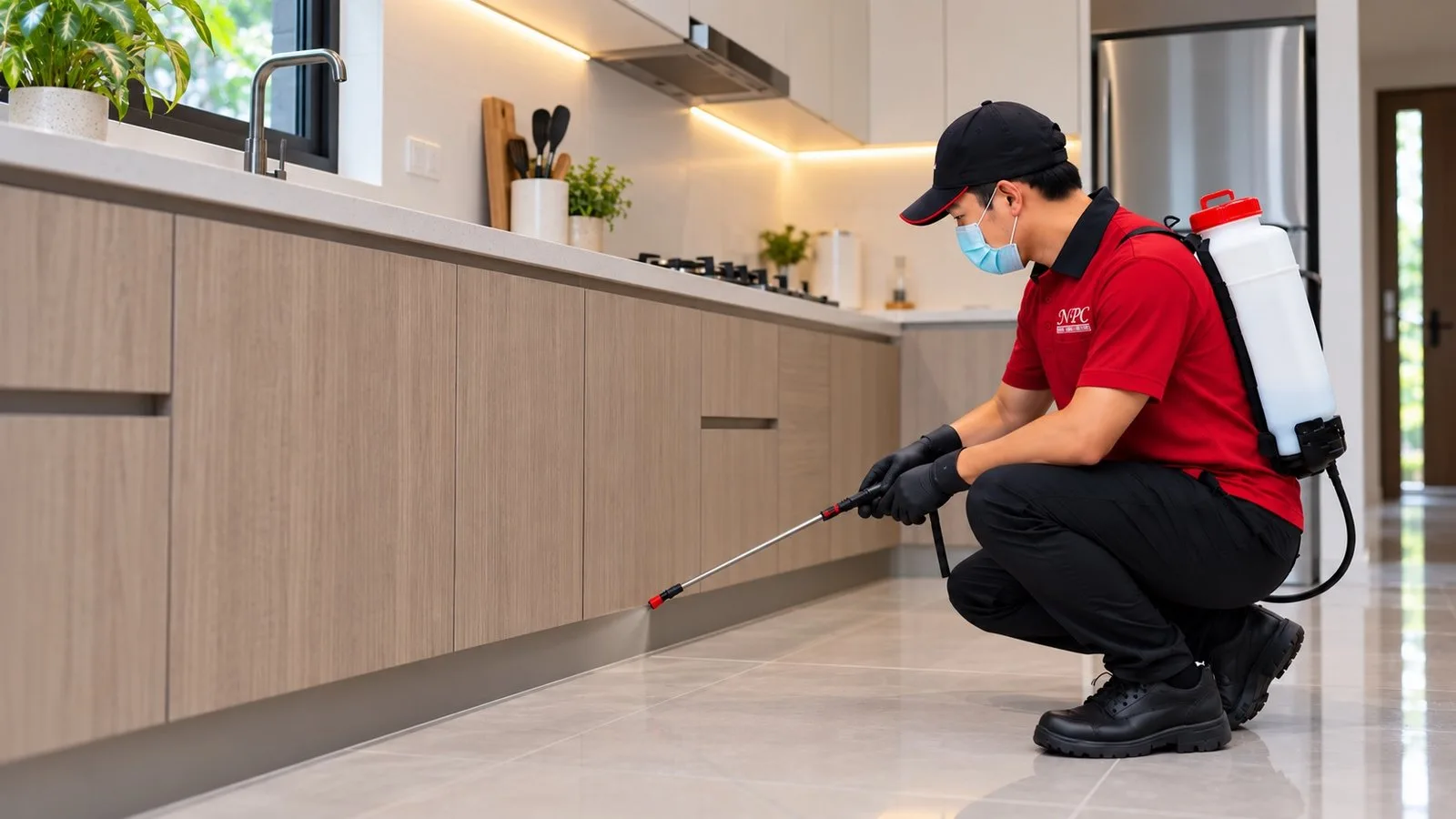
Here is a short look at NPC’s disinfection team at work.

2When Do You Need a Sanitisation & Disinfection Service?
Quick Answer: You need a sanitisation & disinfection service when the risk is higher than daily cleaning can handle. The common triggers are a confirmed infectious illness on site, a pest infestation in food areas, flood or sewage water, a move-in or post-renovation handover, and routine hygiene for food, childcare and healthcare premises. The chart below shows how urgent each one is.
| Premises | Confirmed illness case | After rats or cockroaches | Flood or sewage water | Move-in or renovation | Routine hygiene |
|---|---|---|---|---|---|
| Home or condo unit | Recommended | Book now | Book now | Recommended | Optional |
| Office | Book now | Recommended | Book now | Recommended | Optional |
| Restaurant or food stall | Book now | Book now | Book now | Book now | Book now |
| Clinic or childcare centre | Book now | Book now | Book now | Book now | Book now |
| Factory or warehouse | Recommended | Book now | Book now | Optional | Recommended |
Source: illustrative guide from NPC Pest Control site visits, Klang Valley, 2026.
The grid above reflects what our technicians see across the Klang Valley. Five situations come up again and again:
- A confirmed illness case. Stomach bugs, flu, hand, foot and mouth disease in a nursery, or any outbreak where staff or family share surfaces.
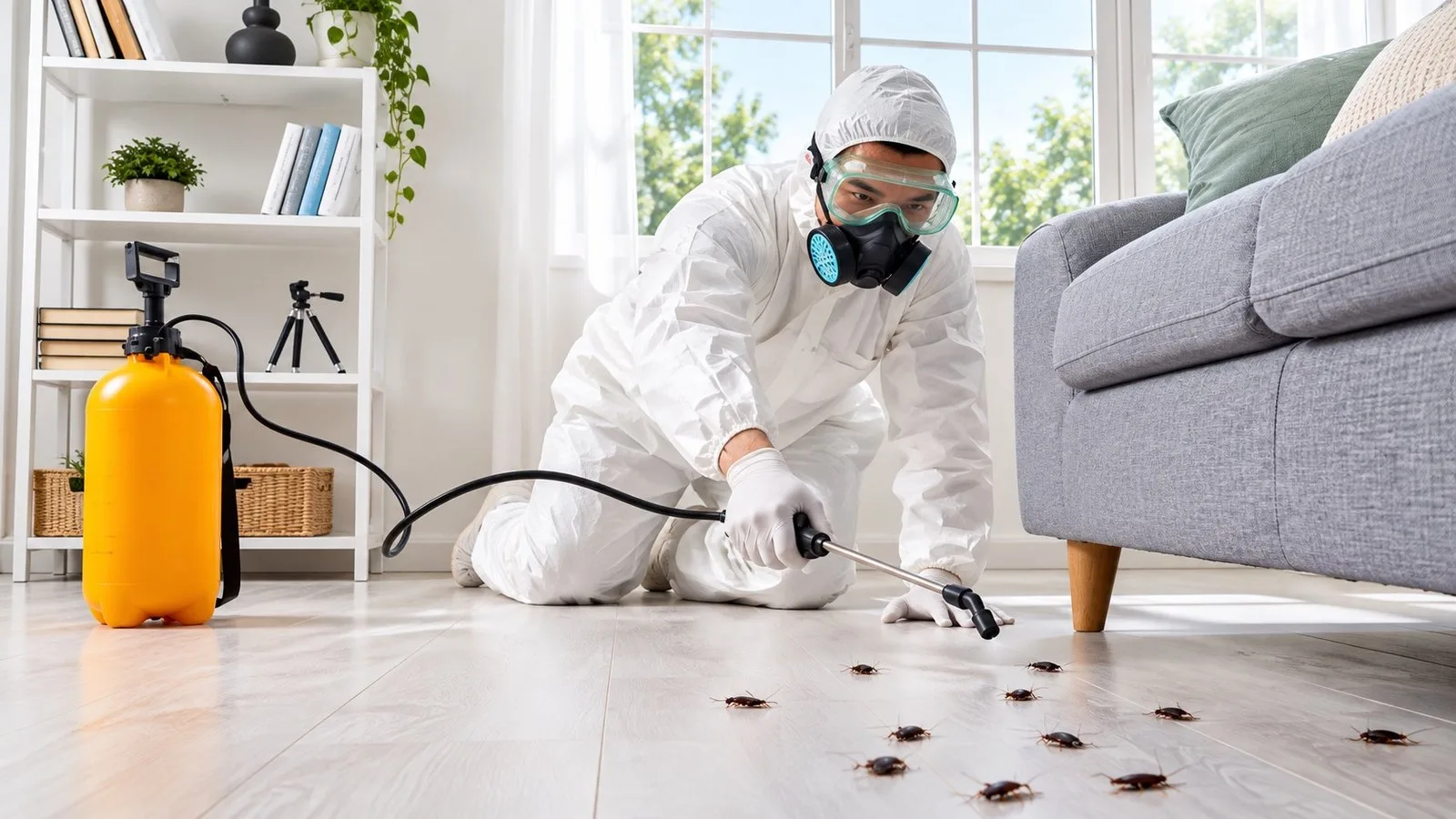
- After a rat or cockroach problem. Once the pests are controlled, kitchens, stores and counters still carry droppings and urine. Treat the pests first with rat control or cockroach control, then disinfect.
- Flood or sewage water. Floors, lower walls and cabinets that sat in dirty water need a deep clean and disinfection before anyone moves back in.
- Move-in or renovation handover. A new unit or a freshly renovated shop is dusty and has been walked through by many people. A one-off service gives you a clean start.
- Routine hygiene. Restaurants, clinics, childcare centres and food factories book on a schedule because inspectors and customers expect it.
Rat urine is a real reason to disinfect. Rats spread leptospirosis through their urine. A 2024 study in the Journal of Vector Borne Diseases found 34.7% of rats trapped at four Kuala Lumpur wet markets had antibodies to the bacteria. Our guide on when you need professional rat control covers the pest side.
3What Happens During a Professional Disinfection Visit?
Quick Answer: A professional visit starts with a walk-through to mark high-touch and high-risk areas. The team cleans visible dirt, disinfects handles, counters, switches and toilets by hand, then mists hard-to-reach areas where needed. A good sanitisation & disinfection service states the product, the contact time and the re-entry time, and leaves a written service report.
A full visit usually runs in four stages:
- Site walk. The supervisor notes door handles, lift buttons, counters, pantry areas, toilets, prep tables and any spots with droppings or water damage.
- Clean first. Dirt and grease block disinfectant from reaching germs, so surfaces are wiped or scrubbed before treatment.
- Disinfect. High-touch surfaces are wiped with disinfectant and left wet for the contact time on the label. Larger areas may be misted.
- Report. A record of areas treated, products used and the date, useful for landlords, insurers and health inspectors.
Different tools suit different spaces. The table compares the four methods most services use.
| Method | How it works | Best for | Typical re-entry |
|---|---|---|---|
| Manual wipe-down | Cloth or pad with disinfectant on each surface | High-touch surfaces: handles, counters, switches, taps | Dry to touch within minutes |
| Misting or fogging (ULV) | Fine droplets of disinfectant drift through the room | Large areas and hard-to-reach spots, if they get wet | Usually 30 to 60 minutes |
| Electrostatic spray | Charged droplets wrap around and cling to surfaces | Chairs, racks, equipment and uneven surfaces | Usually 15 to 30 minutes |
| Steam cleaning | High-heat steam with no chemical residue | Fabric, grout, food prep areas and floors | Once surfaces are dry |
Source: NPC Pest Control field guide, Klang Valley, 2026. Re-entry depends on the product label.
How to prepare your premises for a disinfection visit
These five steps help the team finish faster and treat every surface properly.
- Clear the high-touch surfaces. Move papers, laptops and loose items off desks, counters and prep tables.
- Cover or store open food. Put food, cutlery and utensils away in closed cabinets or the fridge.
- Switch off sensitive electronics. Turn off and cover computers, servers and kitchen equipment near misting areas.
- Tell the team about sick areas. Point out where an ill person worked, sat or slept, so those spots get extra attention.
- Plan the re-entry time. Keep people and pets out until the technician says the area is ready, usually within an hour or two.
Had an illness case at the office or shop?
NPC can arrange a clean and disinfection visit, with a written report for your records. Ask for a disinfection quote →
4Does Disinfection Fogging Actually Work?
Quick Answer: Fogging or misting reaches areas a cloth cannot, but it does not replace wiping. The World Health Organization advises against routine spraying of disinfectants as the main method indoors, because spray misses surfaces outside its path. Germs also return within days as people touch surfaces again. The chart below shows why routine matters. Illustrative guide.
| Approach | Before | Day 1 | Day 3 | Day 7 |
|---|---|---|---|---|
| Fogging only, no cleaning | 100 | 55 | 80 | 100 |
| Staff wipe-down only | 100 | 30 | 60 | 90 |
| Professional clean + disinfect | 100 | 10 | 40 | 80 |
| Professional service + daily staff wipe-down | 100 | 10 | 20 | 25 |
Source: illustrative model, busy Klang Valley office of about 50 staff, NPC Pest Control, 2026.
Spray alone misses too much. The WHO guidance on cleaning and disinfection of environmental surfaces says a disinfectant should be applied after cleaning, and that concentration and contact time decide whether it works. It also advises against routine spraying or fogging as the primary method in indoor spaces.
No disinfection lasts. The moment someone touches a door handle, germs start to build again. That is why a sanitisation & disinfection service works best alongside a simple daily wipe-down by your own staff or family. Misting still earns its place in three situations:
- Large or cluttered spaces. Warehouses, stores and back rooms where hand-wiping every surface is not practical.
- After a confirmed case. As an extra layer on top of cleaning and wiping, not as a shortcut.
- Hard-to-reach spots. Under racks, behind equipment and inside ceiling voids near a pest problem.
5Which Premises Need Regular Sanitisation & Disinfection?
Quick Answer: Food premises, clinics, childcare centres and busy offices benefit most from a regular sanitisation & disinfection service, because many people share the same surfaces every day. Homes usually need one only after an illness, pests or a flood. The chart below shows how often different premises typically book. Illustrative schedule.
| Premises | Visits per year | Visits | Typical schedule |
|---|---|---|---|
| Home or condo unit | 1 | After an event only | |
| Office | 4 | Quarterly, plus after illness cases | |
| Factory or warehouse | 4 | Quarterly, with pest visits | |
| Restaurant or food factory | 12 | Monthly, with reports | |
| Clinic or childcare centre | 12 | Monthly, plus after outbreaks |
Source: illustrative schedule, NPC Pest Control, 2026.
Food businesses have the clearest duty. Regulation 16 of the Food Hygiene Regulations 2009 says the proprietor must “at all times, keep the food premises free from any pest”, and the regulations set cleanliness duties for food premises. Many restaurants pair a monthly restaurant pest control visit with scheduled disinfection of prep areas.
Three things push the schedule up:
- Foot traffic. A clinic waiting room or a busy food court sees hundreds of hands a day.
- Vulnerable people. Children, older people and patients get sicker from the same germs.
- Pest pressure. Premises near wet markets, drains or bin centres see rats and cockroaches more often, and those pests carry germs onto surfaces.
For offices, factories and warehouses, disinfection often sits inside a wider commercial pest control contract, so one team handles both pests and hygiene.
Running a restaurant, clinic or childcare centre?
We set up monthly or quarterly hygiene programmes with reports you can show an inspector. See our commercial hygiene plans →
6Is a Sanitisation & Disinfection Service Worth It for Homes?
Quick Answer: For most homes, a sanitisation & disinfection service is worth it only after a specific event. Think of an infectious illness in the family, rats or cockroaches in the kitchen, flood water, or moving into an empty or renovated unit. Otherwise, regular cleaning with a household disinfectant on high-touch spots is enough.
Book one when the risk is higher than normal. A professional team brings stronger registered products, the right equipment and a checklist, so nothing is missed. That matters most in these home situations:
- After rats in the kitchen or roof. Droppings and urine on counters, cabinets and the ceiling area need careful cleaning and disinfection.
- After a sick family member recovers. Especially with a newborn, older parent or someone with low immunity at home.
- Before moving in. A new or previously rented unit may have been empty for months, with dust, pests or mould.
- After a dengue case. Disinfection does not kill mosquitoes, but families often book it for peace of mind. Pair it with proper mosquito control for Aedes.
If you are in Selangor and want a deeper look at costs and coverage, our disinfecting and sanitising service guide for Selangor goes further.
7How Do You Choose a Disinfection Service You Can Trust?
Quick Answer: Check who is doing the work and what they use. A trustworthy sanitisation & disinfection service uses products registered for use in Malaysia, cleans before it disinfects, tells you the contact and re-entry time and gives you a written report. Be careful with anyone who only offers a quick fog with no cleaning and no product details.
Chemicals used against pests fall under the Pesticides Act 1974 (Act 149), so a company that handles both pests and hygiene should hold a pest control licence. Before you pay, ask these questions:
- What product will you use? Ask for the name and its safety data sheet.
- Will you clean first? If the answer is no, the disinfectant will not reach the germs under dirt and grease.
- How long must it stay wet? The contact time on the label decides whether it works.
- When can we go back in? You need a clear re-entry time for staff, children and pets.
- Will I get a report? Landlords, insurers and health officers may ask for one.
Our guide to what pest control services in Malaysia include explains the licences and reports to expect from any pest and hygiene provider. NPC’s own licence and Ministry of Health registration are listed on the NPC Pest Control homepage.
8Conclusion: Book It When the Risk Goes Up
Quick Answer: A sanitisation & disinfection service is not a daily need for most homes. It matters after an illness, a pest problem, flood water or a handover, and it should be routine for food, childcare and healthcare premises. Choose a provider that cleans first, wipes high-touch surfaces, uses registered products and leaves a report.
Before the visit, clear surfaces, store food, switch off electronics and point out where someone was ill. After it, keep up a daily wipe-down of handles, switches and counters so the result lasts longer.
When you are ready, see how our sanitisation and disinfection service for homes and businesses works, or book a site visit.
9Frequently Asked Questions
1. What is the difference between sanitising and disinfecting?
Sanitising lowers the number of germs on a surface to a level health guidelines treat as safe, and is common on food-contact surfaces. Disinfecting uses a stronger product, left wet for a set contact time, to kill most germs on hard surfaces. Both work only after the surface has been cleaned.
2. How long does a sanitisation and disinfection service take?
A typical condo unit or small office takes one to two hours. A restaurant, clinic or larger office can take two to four hours, depending on the number of rooms and surfaces. Re-entry is usually possible within an hour or two, once the product has done its job and surfaces are dry.
3. Is disinfectant misting safe for children and pets?
It is safe when a trained team uses a registered product at the label strength and you follow the re-entry time. Keep children and pets out of the treated area until the technician says it is ready, and ask for the product name and safety data sheet before the visit.
4. Should I disinfect after a rat or cockroach infestation?
Yes, once the pests are under control. Rats and cockroaches leave droppings, urine and shed skin on counters, cabinets and floors. Cleaning and disinfecting those areas after treatment lowers the risk from germs such as the bacteria behind leptospirosis. Treat the pests first, or they will contaminate the area again.
5. Does NPC Pest Control offer sanitisation and disinfection?
Yes. NPC Pest Control provides sanitisation and disinfection for homes, offices, restaurants, clinics and factories across Kuala Lumpur and Selangor, alongside pest control. Call 03-8061 1875, Monday to Saturday from 9am to 6pm, or request a quote through our contact page.
Need your home or premises disinfected properly?
Talk to NPC Pest Control. Our trained team cleans first, disinfects every high-touch surface with registered products and gives you a written report for your records.
Get my disinfection quote →