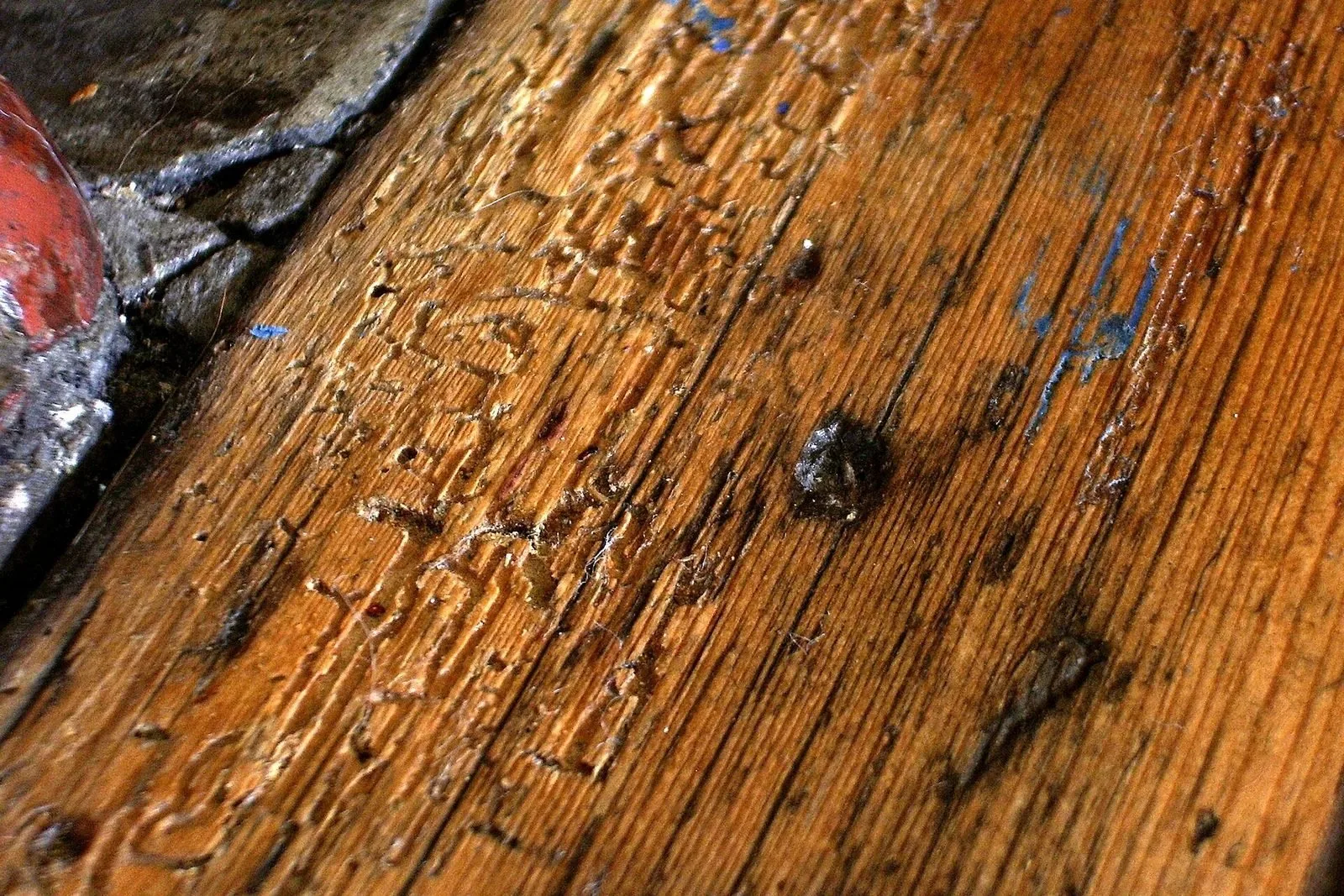

Termites rarely announce themselves. By the time a door frame crumbles or a floorboard sinks, a colony may have been feeding for a long time. The good news is that there are small clues you can spot early, long before the damage becomes expensive.
Warm, humid weather makes our homes an easy target all year round. Take ten minutes this weekend to walk around your house with this list.
What to look for inside the house
Most of the early signs are easy to miss because they look like ordinary wear and tear. Check these spots first:
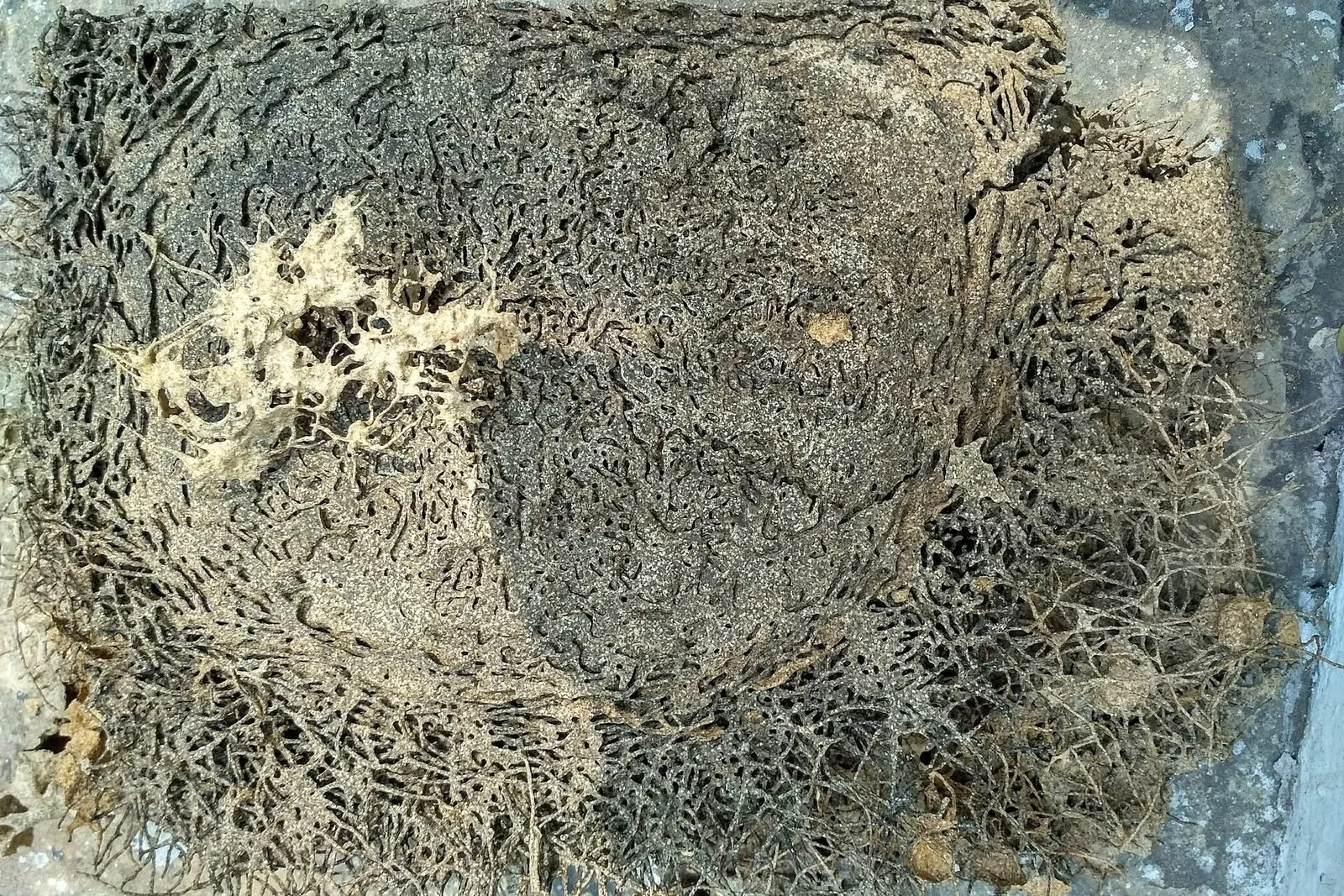
- Mud tubes, thin brown lines of soil running up walls, pillars or skirting boards.
- Hollow sounding timber. Tap door frames and skirting with a screwdriver handle and listen.
- Paint that bubbles or peels in small patches, often a sign of moisture and feeding behind it.
- Doors and windows that suddenly stick, because damaged frames swell and warp.
Signs you may find outside
Termites usually come in from the soil, so the outside of the house tells you a lot. Look around the base of the walls, garden beds and any timber that touches the ground.
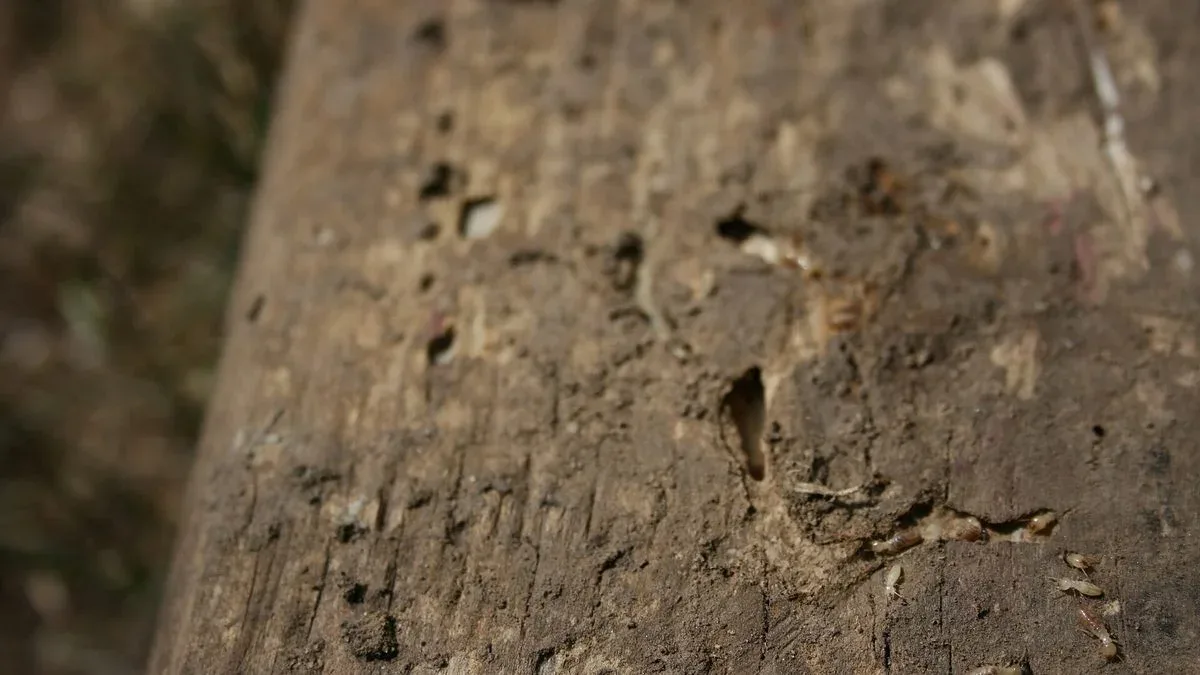
Discarded wings near windows
After rain, flying termites (often called kelkatu) swarm towards light, then drop their wings. Small piles of wings on window sills or near lamps are a strong sign of a nearby colony.
If you find a mud tube, do not break it and spray it yourself. Leave it in place so a technician can see how active it is.
What to do next
Spotting a sign early is the best outcome. Here is a simple plan:
- Take photos of what you found and note where it is.
- Avoid disturbing the area, which can push the colony to another part of the house.
- Book a professional inspection so the colony can be located and treated properly.
The bottom line
Termite damage is slow but steady. A quick check every few months, plus fast action when you see a sign, keeps a small problem from turning into a costly repair.