Small holes in wooden furniture are worrying, but they do not always mean termites. Wood borers also damage timber, and the treatment is quite different.
Knowing which one you have helps you act the right way.
Signs of wood borer
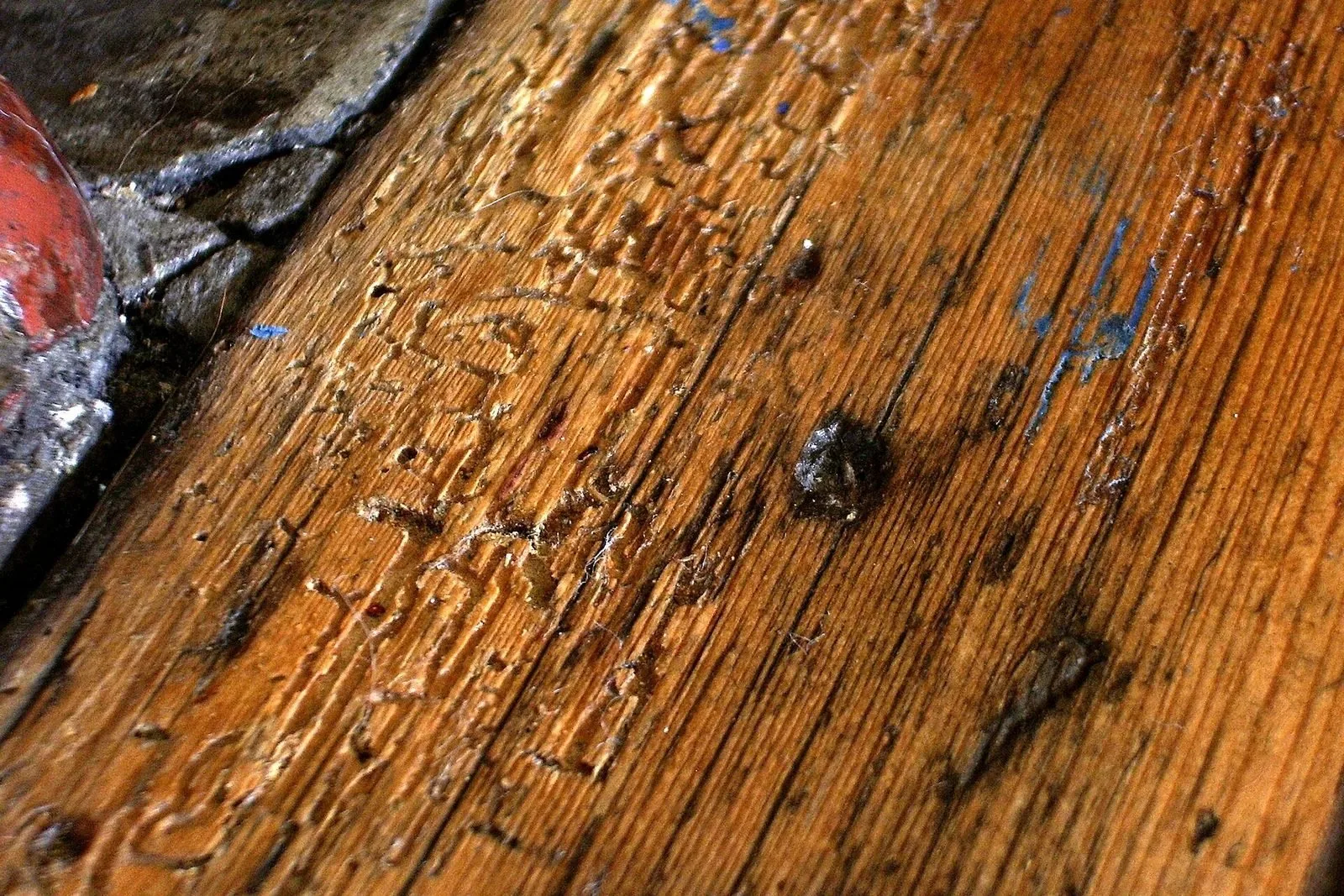
- Small, round exit holes on the surface of the wood.
- Fine, powdery dust (called frass) below the holes.
- Damage usually limited to one piece of furniture or timber.
Signs of termites
- Mud tubes on walls or timber.
- Wood that looks fine outside but is hollow inside.
- Damage spreading across several parts of the house.
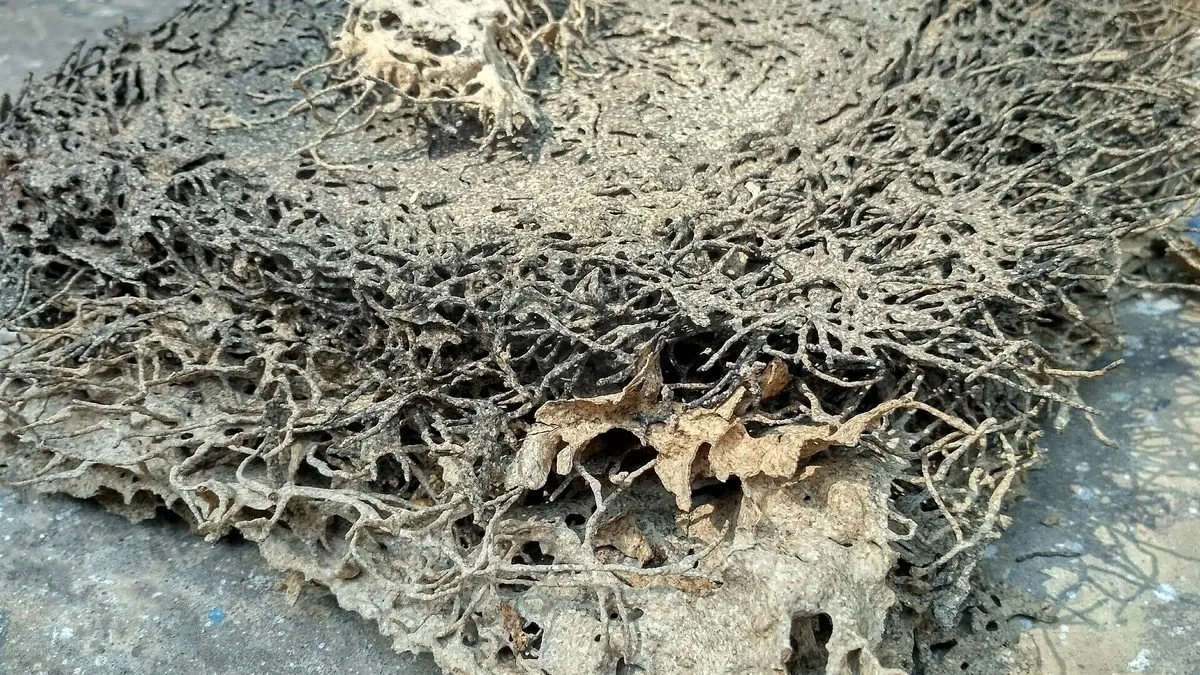
Wood borer holes are on the outside. Termite damage is mostly hidden on the inside.
What to do
- Check other wooden items nearby for the same signs.
- Keep the affected piece away from other furniture.
- Take a photo of the holes and any dust or tubes.
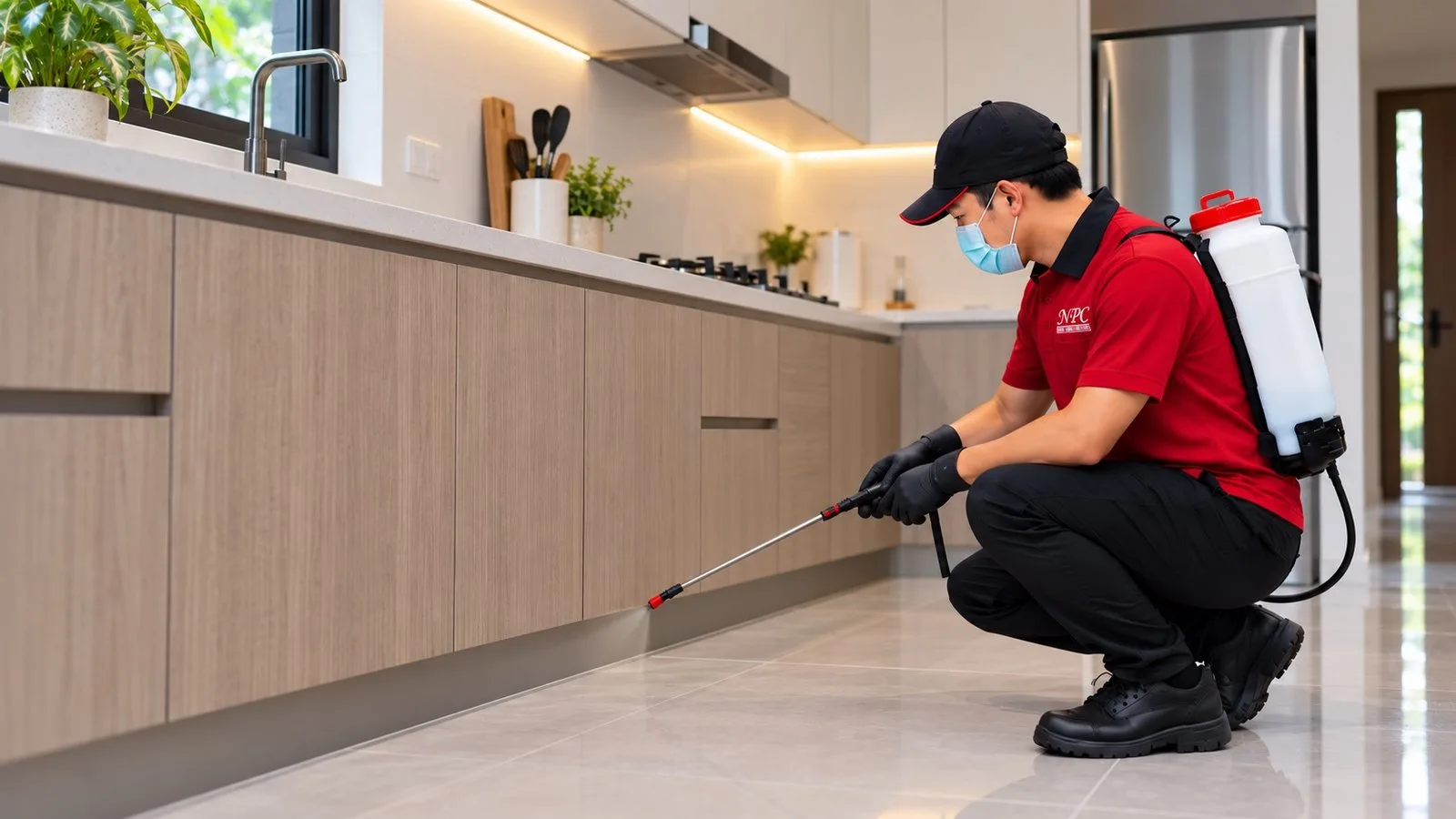
- Ask a professional to confirm the pest before treating.
Quick tipPut a sheet of dark paper under the damaged wood overnight. Fresh, pale dust the next morning means the wood borer is still active.
The bottom line
Wood borers are usually a furniture problem, while termites can be a structural one. Getting the right answer early saves time and money.