
Last updated: 22 September 2026
A hospital is warm, busy and full of food, water and waste. That suits cockroaches, rats and ants. The difference is who is nearby: patients who are already unwell, some of them after surgery or with weak immune systems.
This page explains how our hospital pest control services work in a building that never closes: which areas carry the most risk, what staff should do when they see a pest, which treatments are safe near patients, and how certificate renewal works for clinics. Pantai Hospital is one of the healthcare names on NPC’s client list, and we have looked after sites across KL and Selangor for more than 15 years. The promise is simple: proven, effective results, backed by a written warranty.
Staff seen a cockroach on the ward?
Ask them not to spray it. A licensed technician can find where it came from and treat the source.

Quick Answer: Hospital pest control covers wards, theatres, pharmacy, kitchens, waste rooms, drains and the grounds under one plan. Each area has a different risk and a different method. It sits inside our wider commercial pest control service.
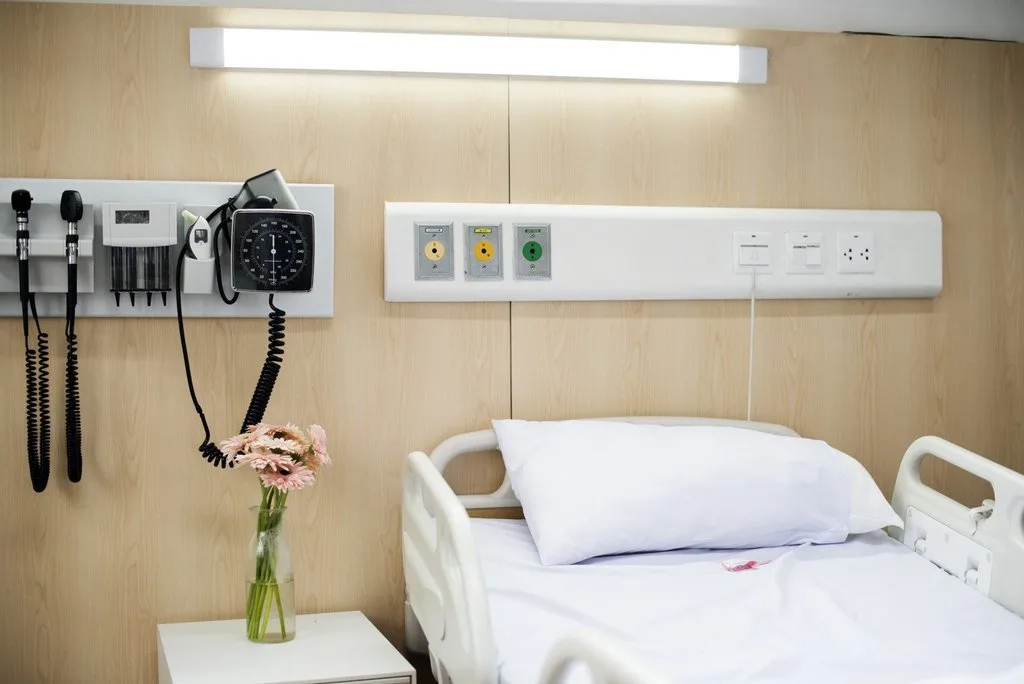
Hospital Areas: Main Risk and What We Use
| Area | Main risk | What we use |
|---|---|---|
| Wards and patient rooms | Cockroaches, ants, bed bugs | Gel in cracks, monitors |
| Theatres and ICU | Any pest in a sterile area | Monitors, sealing, no spray |
| Pharmacy and sterile stores | Ants, cockroaches, rodents | Traps, gel, stock checks |
| Kitchen and pantries | Cockroaches, flies, rats | Gel, light traps, drain work |
| Waste rooms and drains | Cockroaches, rats, flies | Drain treatment, residual spray |
| Grounds and car park | Rats, mosquitoes | Locked bait stations, larviciding |
Source: NPC Pest Control, healthcare site plans in KL and Selangor, 2024–2026.
Most pests do not start in the ward. They start in the drains, the waste room and the kitchen, then travel along pipes and service ducts. The main kitchen runs much like a restaurant, and follows our restaurant pest control routine.
Key takeaway: Plan the whole building, not the ward with the complaint. The cockroach on the ward usually lives two floors down, by the drains.
Quick Answer: Cockroaches walk through drains and waste, then over trolleys, food and bedding. A Malaysian study found bacteria in nearly every cockroach trapped on children’s wards. That is why hospital pest control services treat cockroaches as an infection issue, not a nuisance. See our cockroach control page for the species.
Researchers from Universiti Kebangsaan Malaysia trapped 104 cockroaches in kitchens, store rooms, cupboards and open areas of four paediatric wards in Peninsular Malaysia. Bacteria were found in all but three. They included Salmonella, Shigella and Klebsiella, which cause gut and hospital infections.
Which Cockroaches Were Found on Malaysian Children’s Wards
| Species | Share of catch | Per cent |
|---|---|---|
| American cockroach | 67.3% | |
| German cockroach | 26.0% | |
| Brown cockroach | 4.8% | |
| Brown-banded cockroach | 1.9% |
Source: Oothuman et al., Transactions of the Royal Society of Tropical Medicine and Hygiene, 1989 (104 cockroaches, four paediatric wards).
The American cockroach is the large one that lives in drains and sewers, which fits a pest that walks in from below. A 2019 review of cockroaches in hospitals goes further. It found cockroaches hiding in oxygen masks in an intensive care unit, and it concludes there should be “zero tolerance” for them in healthcare buildings.
Key takeaway: Two in three cockroaches in that study were the drain species. Treat the drains and waste rooms, and far fewer reach the ward.
Quick Answer: Do not spray it. Take a photo, note the exact spot and tell one named person, who calls us. Good hospital pest control depends on staff reports, because nurses and cleaners see pests long before any technician does. Contact us to set up the routine.
The first step matters most. A bottle of insect spray kept in the nurses’ pantry is common, and well meant. But it puts chemicals near patients, and cockroaches that survive it move into walls and ducts, where they are harder to reach.
The same goes for killing the pest and throwing it away. A photo and a location tell us more than a clean floor. We keep a sightings log for each ward, so a pattern shows up after the second report, not the tenth.
Key takeaway: Take the insect spray out of the ward pantry. Replace it with a sightings log and one phone number.
Quick Answer: Gel bait in cracks, traps and monitors are safe in clinical areas because nothing goes into the air. Residual spray stays in drains, plant rooms and outside. Hospital pest control services should tell you, room by room, which method they will use.
Which Method Goes Where in a Hospital
| Method | Used in patient areas? | Why |
|---|---|---|
| Gel bait in cracks | Yes | Stays in the crack, no smell or mist |
| Glue monitors and traps | Yes | No chemical, shows where pests move |
| Insect light traps | Corridors, kitchens only | Kept away from beds and open wounds |
| Residual spray | No | Drains, plant rooms, outside walls |
| Locked rodent bait stations | No | Outside only, so bait never enters |
| Fogging | No | Grounds only, for mosquitoes |
Source: NPC Pest Control, healthcare treatment plans in KL and Selangor, 2024–2026.
Theatres and ICU get the strictest plan: monitors, sealing gaps around pipes, and gel only where the infection control team agrees. For mosquitoes in the grounds, see mosquito control. For rats around bins and car parks, see rat control.
Key takeaway: Ask any pest company for a room-by-room method list before they start. If the answer is “we spray everywhere”, it is the wrong company for a hospital.
Need a treatment plan your infection control team can sign off?
We can walk the building and send a room-by-room method list with a written quote. The survey is free.
Quick Answer: Medical premises are often asked for a current pest control certificate at licence renewal, an inspection or an accreditation visit. NPC issues it as a licensed PCO, backed by the visits behind it. The wider how-to is on our commercial pest control page.
A certificate is one page. What an inspector trusts is what sits behind it. For a clinic or hospital, that means a treatment record that shows which rooms were treated, with what, and who agreed it.
Key takeaway: Start the contract before the renewal letter arrives. A certificate from one rushed visit says far less than a year of signed records.
Quick Answer: Yes. The rules are the same, no spraying near patients, but each building has its own weak spot. Hospital pest control services should be sized to the site, not copied from a hospital plan.
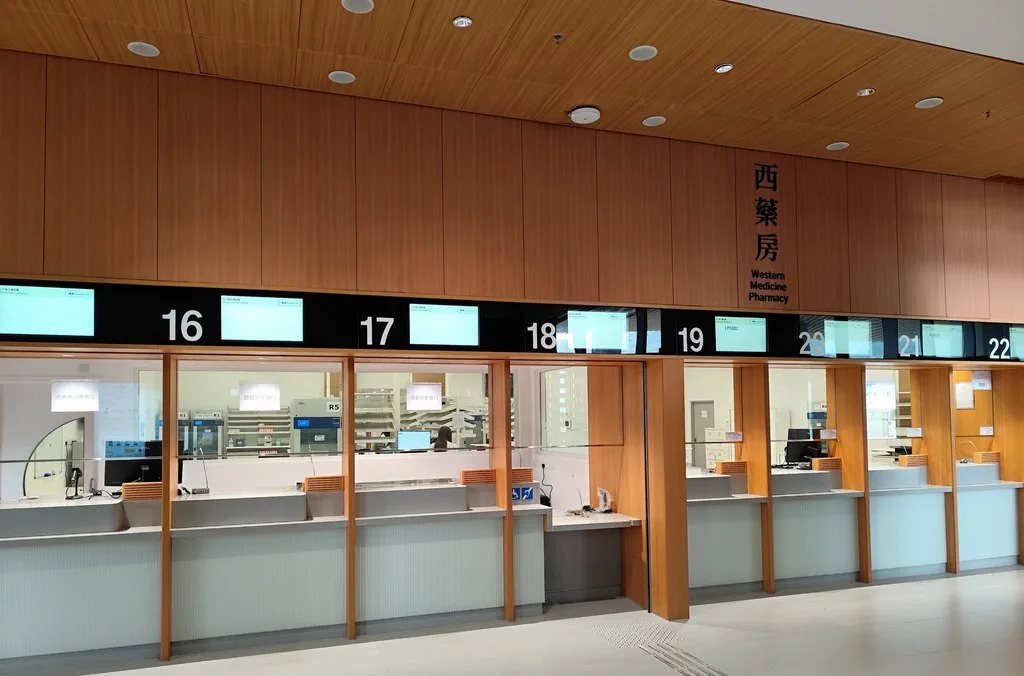
Key takeaway: A clinic in a shoplot shares its pests with the block. The fix starts with the back lane, not the treatment room.
Quick Answer: Most hospitals start monthly, with call-outs when staff report a sighting. There is no list rate. Hospital pest control services are quoted after a free site survey, in writing.
Relative Service Load by Healthcare Site
| Site type | Why the load differs | Typical starting frequency |
|---|---|---|
| Hospital with kitchen and wards | Many zones, round-the-clock use | Monthly, plus call-outs |
| Nursing or care home | Residents’ belongings, shared kitchen | Monthly |
| Day surgery or specialist centre | Sterile rooms, fewer entry points | Monthly |
| GP, dental clinic or lab | Small space, shared building | Monthly to every two months |
Source: NPC Pest Control, healthcare jobs in KL and Selangor, 2024–2026. Frequency is set at the survey.
What moves the quote most:
Some sites also book disinfection and sanitising services alongside the pest plan. We quote the two separately so you can see each cost.
Key takeaway: Ask for the number of devices and zones in the quote. It shows what each visit actually covers.
Quick Answer: Pick a licensed operator that will give you a room-by-room method list, a sightings routine for staff and records an inspector can read. Our licence copies are on the certificate page.
Key takeaway: Ask one question at the pitch: what will you use beside a patient bed? The answer tells you whether they know hospitals.
Quick Answer: Good hospital pest control services keep sprays away from patients, treat the drains where pests start and give staff a simple way to report. NPC covers KL and Selangor, most often Puchong, Seri Kembangan, Serdang, Subang Jaya, USJ, Shah Alam and PJ, as well as Cheras. See all our pest control services.
Most healthcare sites need several pests covered under one plan and one logbook. Related services: termite control, cockroach control, rat control, ant control, bed bug control, flea and tick control, mosquito control and fly control. We also provide disinfection and sanitising services, and pest control certificate renewal for F&B and medical premises. For hospital pest control in Malaysia, call 03 8061 1875 or WhatsApp 016 335 9799, Monday to Saturday, 9am to 6pm.
Yes, when the method fits the room. In wards and clinical rooms we use gel bait in cracks, traps and monitors, not open spraying. Residual spray is kept to plant rooms, drains and outside areas, and we agree every treated room with your team first.
Usually, yes. Gel and traps go into cracks, voids and service ducts, so the ward keeps running. If a room needs more than that, we plan the visit with the ward manager around patient moves.
Yes. NPC issues a pest control certificate as a licensed PCO, backed by the service records behind it. Clinics on a contract get the certificate timed to their renewal date.
Most hospitals start with monthly visits plus call-outs when staff report a sighting. Clinics are often monthly or every two months. The site survey sets the schedule for your building.
Tell us. Activity in a treated area during the contract is re-treated at no charge. If you report a problem, we come back within 48 hours, and the visit goes into your logbook.
The short video below walks through good pest control practice in a hospital, from reporting sightings to keeping treatments away from patients.
Source video: Best Practices for Pest Control in Hospitals on YouTube

Want a pest plan your infection control team can sign off?
Book a free site survey. A licensed technician walks your wards, kitchens, waste rooms and drains, then sends a written quote covering methods by room, visits, records, certificate renewal and warranty terms.