
Last updated: 24 September 2026
Public premises carry a problem private buildings do not. The building is usually open to whoever walks in, the food comes from a canteen someone else runs, and the answer to any question has to exist on paper, in a file, months later.
This page covers how pest control works on a government site: which premises need what, and how schools and hostels differ from an office block. It also sets out how a contract is set up across several blocks, and which documents procurement will ask you for. KPM and KTM are among the public-sector names on NPC’s client list, along with TAR College and the University of Nottingham. We have worked across KL and Selangor for more than 15 years. What we sell is proven, effective results, with the records to show them.
Preparing a quotation for your department?
We survey the whole compound, then price it block by block so your file shows exactly what is covered.

Quick Answer: Schools and kindergartens, government offices and counters, staff quarters, hostels, community halls and mosques, council depots, stations and the compounds around all of them. It runs on the same plan as our commercial pest control contracts, with the reporting a public file needs.
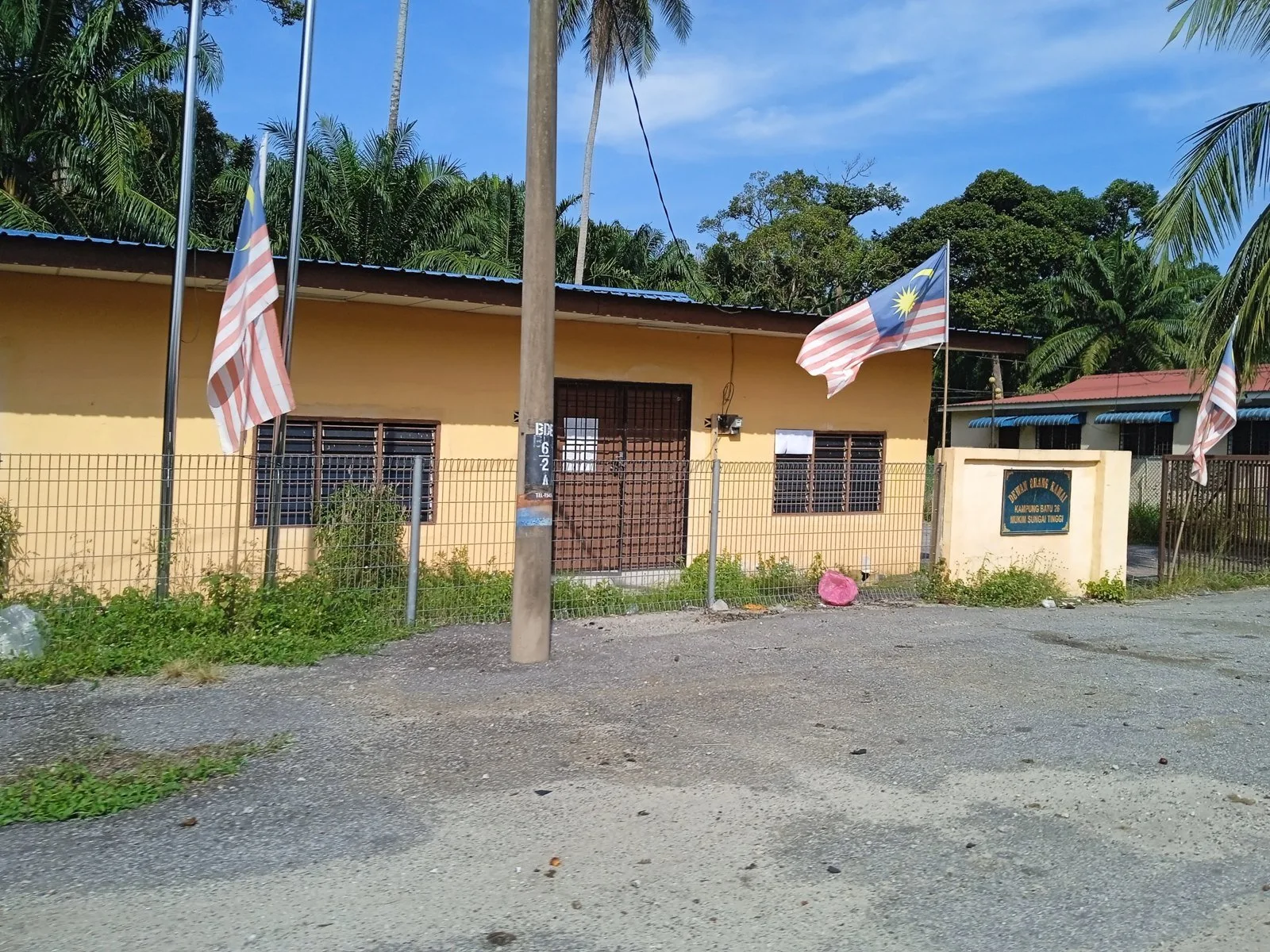
Public Premises: Main Risk and What We Use
| Premises | Main risk | What we use |
|---|---|---|
| Schools and kindergartens | Cockroaches, rats, mosquitoes | Canteen gel work, bait outside, compound checks |
| Hostels and staff quarters | Bed bugs, cockroaches, rats | Room inspection, targeted treatment, monitors |
| Offices and public counters | Cockroaches, ants, rodents | Gel in pantries, traps in risers, after-hours work |
| Halls, mosques and community centres | Rats, termites, mosquitoes | Bait stations, timber checks, drain treatment |
| Depots, stores and workshops | Rodents, flies, snakes on the perimeter | Perimeter stations, fly units, vegetation advice |
| Compounds, drains and fields | Mosquitoes, rats | Drain work, larviciding, source removal |
Source: NPC Pest Control, public sector site plans in KL and Selangor, 2024–2026.
Two of those carry most of the complaints. Anywhere food is served needs the routine we use for restaurant pest control, and government clinics and health offices follow the stricter rules on our hospital pest control page. Rail and depot sites sit with transport and logistics.
Key takeaway: Price a government site by block, not by address. A school with four blocks, a canteen and a hostel is five jobs sharing one gate.
Quick Answer: Pest control for schools works around the students, never among them. Canteens get the food-premises routine, classrooms get low-risk methods, hostels get room-by-room checks, and treatment is timed for holidays, weekends or after the last class.
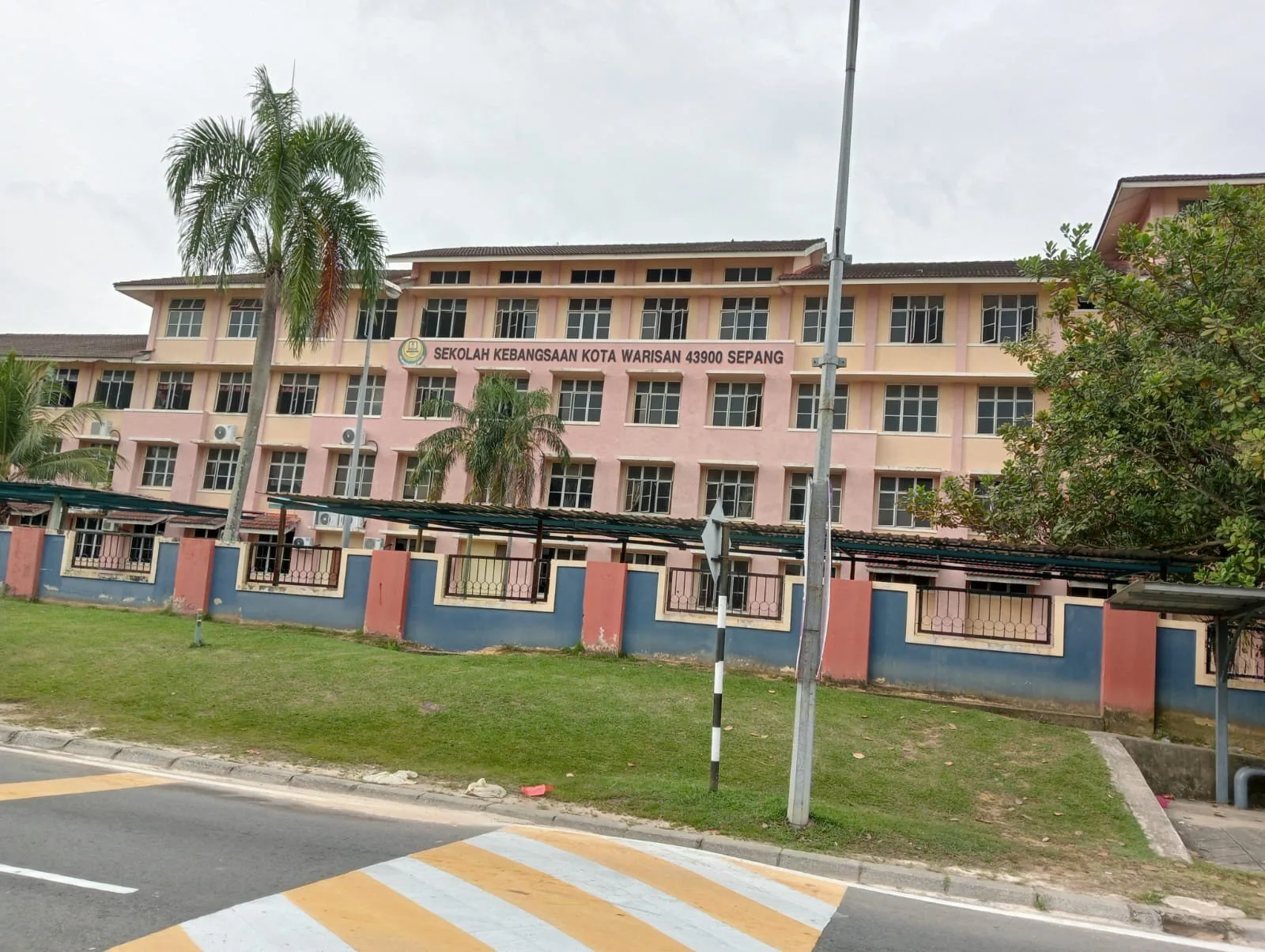
A school canteen is a food premises like any other, and the Food Hygiene Regulations 2009 require the operator to keep it free of pests. In practice that means the canteen, the store behind it, the grease trap and the bin area are the first stop on every visit, not the classrooms.
What goes into an occupied building matters just as much. The US Environmental Protection Agency sets the order plainly for integrated pest management: “effective, less risky pest controls are chosen first”, and “broadcast spraying of non-specific pesticides is a last resort”. On a school compound that means sealing, sanitation, bait and traps carry the job, and anything sprayed happens when the place is empty.
Key takeaway: Do not book the treatment for the first week of term. The holiday before it is when a school can be treated properly, with nobody in the building.
Quick Answer: Government pest control on a multi-block site runs in five steps: survey every block, price the scope in writing, fix the visit window, treat and log block by block, then report into the facilities file. Contact us and we arrange the survey at a time that suits your department.
Typical Timeline to Get a New Public Site Running
| Stage | Elapsed time | Typical |
|---|---|---|
| Site survey across blocks | 1–2 days | |
| Written quotation issued | 2–3 working days | |
| First treatment visit | Within a week | |
| Devices in place site-wide | 1–2 weeks | |
| First report in the file | End of month one |
Source: NPC Pest Control, public sector contract set-ups in KL and Selangor, 2024–2026. Holidays and term dates can move the first visit.
The step most sites skip is the third one. A contract signed without an agreed visit window ends up with technicians arriving while a counter is full of members of the public, and half the site never gets treated properly.
Key takeaway: Agree the visit window in the contract, not on the day. It decides whether the work gets done in full or around whoever happens to be standing there.
Quick Answer: Company and licensing details, the treatment method, visit reports and a pest control certificate. Copies of our licences sit on the certificate page, so anyone in your department can check them without emailing us first.
What Goes Into a Public Sector Pest Control File
| Document | Why it is asked for | Who reads it |
|---|---|---|
| Company registration details | Proof the contractor is a registered business | Procurement |
| Pest control licensing | Pesticide work in Malaysia is licensed work | Procurement, audit |
| Method statement per area | Shows what is used near students, patients or the public | Facilities, safety officer |
| Product information sheets | Answers questions about what was applied | Safety officer |
| Visit report per block | Shows the service actually happened | Facilities |
| Pest control certificate | Produced at inspection or renewal | Auditor, inspector |
Source: NPC Pest Control, documents requested by public sector clients in KL and Selangor, 2024–2026.
Certificates for premises with kitchens or clinics are handled the same way as for our private clients, and the how-to is on the commercial pest control page. What changes in the public sector is who keeps the file. The officer answering at audit is often not the one who booked the service, so the file has to make sense without a phone call.
Key takeaway: Ask your contractor for the file in one folder, per block, from day one. Assembling a year of reports the week before an audit never goes well.

Need a quotation your department can put in the file?
We survey the compound, price it per block and supply the documents procurement asks for. The survey is free.
Quick Answer: After hours, by area, with nothing sprayed while the public is inside. This is where government pest control differs from an office contract: the doors are open to anyone, so the work has to fit around them.
Public-facing buildings have a pattern to them. The waiting hall and counters are what everyone sees. The pests live in the pantry, the records store, the riser behind the counter and the rubbish point at the back. Treating the front and skipping the back is why a lobby complaint keeps returning.
So the work runs the other way around: back of house first, then service ducts and risers, then the public areas after closing. Signage goes up where anything is treated, and the officer on duty is told what was done before the doors open again.
Staff quarters need one more step. They are homes, so we treat them the way we treat any house, and the residential pest control page explains that routine. The difference is that quarters usually sit on the same compound as the office, and a rat problem in one will be a rat problem in the other within a month.
Key takeaway: If the complaint is in the lobby, start at the pantry and the bin point. The front of a public building almost never breeds anything.
Quick Answer: The site owner’s, and it is usually the part nobody budgets for. Most mosquito and rat complaints on a public compound come from outside the buildings: drains, planters, gutters, rubbish points and unused equipment.
A government compound collects water in more places than an office block does. Slow concrete drains, planter boxes by the entrance, covered walkway gutters, tyres and pails behind the store, flag-pole bases, unused sinks in an old block. Each one is a container, and a container with water is a mosquito problem within a week. Half of what government pest control does on a public site happens outdoors.
We treat the drains and larvicide what cannot be drained, but the lasting fix is the weekly walk by your own maintenance team. Where dengue cases are reported nearby, that walk matters more than any fogging round, for the reasons set out on our mosquito control page.
Rats are the other compound job. Open bins, canteen food waste and thick vegetation along a fence line will keep a colony going whatever is done indoors. So bait stations go on the fence line and the bin point, not in the corridors. Our rat control page covers how that is monitored.
Key takeaway: Put the compound walk on somebody’s job sheet, weekly. The drains and planters decide how many pest complaints the buildings get.
Quick Answer: Sites with a canteen or kitchen usually start monthly; office blocks are commonly quarterly with call-outs. There is no list rate for government pest control in Malaysia. The quotation follows a free survey and is priced per block.
Relative Service Load by Public Premises Type
| Premises type | Why the load differs | Typical starting frequency |
|---|---|---|
| School or college with canteen and hostel | Food service, dormitories, large compound | Monthly, plus call-outs |
| Government office with public counters | Public access, pantries, records stores | Monthly to quarterly |
| Staff quarters | Several homes, shared bin and drain lines | Quarterly |
| Hall, mosque or community centre | Used in bursts, timber and stored furniture | Quarterly |
Source: NPC Pest Control, public sector jobs in KL and Selangor, 2024–2026. Frequency is set at the survey.
What moves a public sector quotation most:
Some departments also ask for disinfection and sanitising services, usually for clinics, nurseries or after an outbreak. We quote that separately so each line is visible in your file.
Key takeaway: Ask for the quotation to show blocks and device counts. Two quotations with the same total can cover very different amounts of the compound.
Quick Answer: Choose a licensed operator that will survey every block, work around your hours and produce records an auditor can follow. Our licence copies are on the certificate page.
Key takeaway: Ask a contractor how they will treat a block that is occupied every weekday. The answer separates the ones who have done public work from the ones who have not.
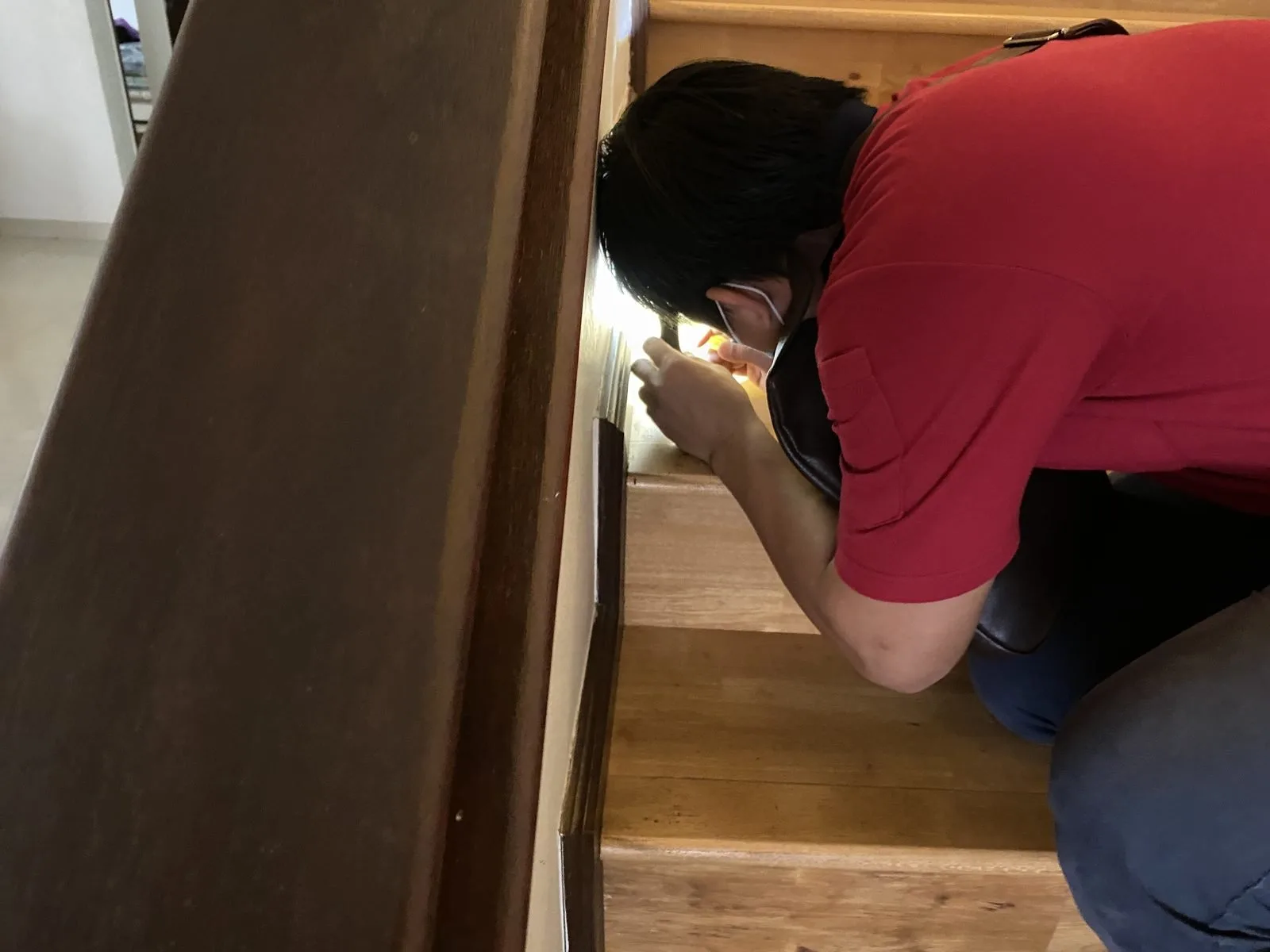
Quick Answer: Public premises need pest control that works around people, covers the compound as well as the buildings, and leaves a file that stands up at audit. NPC covers KL and Selangor, most often Puchong, Seri Kembangan, Serdang, Subang Jaya, USJ, Shah Alam and PJ. See all our pest control services.
Most public sites need several pests covered under one plan and one file. Related services: termite control, cockroach control, rat control, ant control, bed bug control, flea and tick control, mosquito control and fly control. We also provide disinfection and sanitising services, and pest control certificate renewal for premises with kitchens or clinics. For government sector pest control in Malaysia, call 03 8061 1875 or WhatsApp 016 335 9799, Monday to Saturday, 9am to 6pm.
Yes. We survey the site for free, then send a written quotation priced per block or per building, with the visit schedule, the pests covered and the documents your procurement file needs. If your department works to a standard format, send it and we fill that in.
Yes, and for most public premises it is the better plan. Public counters get treated after closing, schools during holidays or after the last class, and hostels on a date agreed with the warden.
Company registration and licensing details, the service method for each area, visit reports per block and a pest control certificate. Copies of our licences are on our certificate page, so anyone checking can see them without waiting on an email.
Premises with a canteen or a kitchen usually need monthly service. General office blocks are commonly quarterly, with call-outs between visits. The survey sets the schedule for your site.
Report it and we return within 48 hours. Activity in a treated area during the contract is re-treated at no extra charge, and the return visit is recorded in the same file as the scheduled ones.
The short video below explains integrated pest management in a school setting: monitoring, prevention and keeping pesticide use to a last resort.

Need pest control for a government site?
Book a free site survey. A licensed technician walks every block, canteen, store and compound, then sends a written quotation priced per block, with the visit schedule, the reporting and the documents your procurement file needs.