
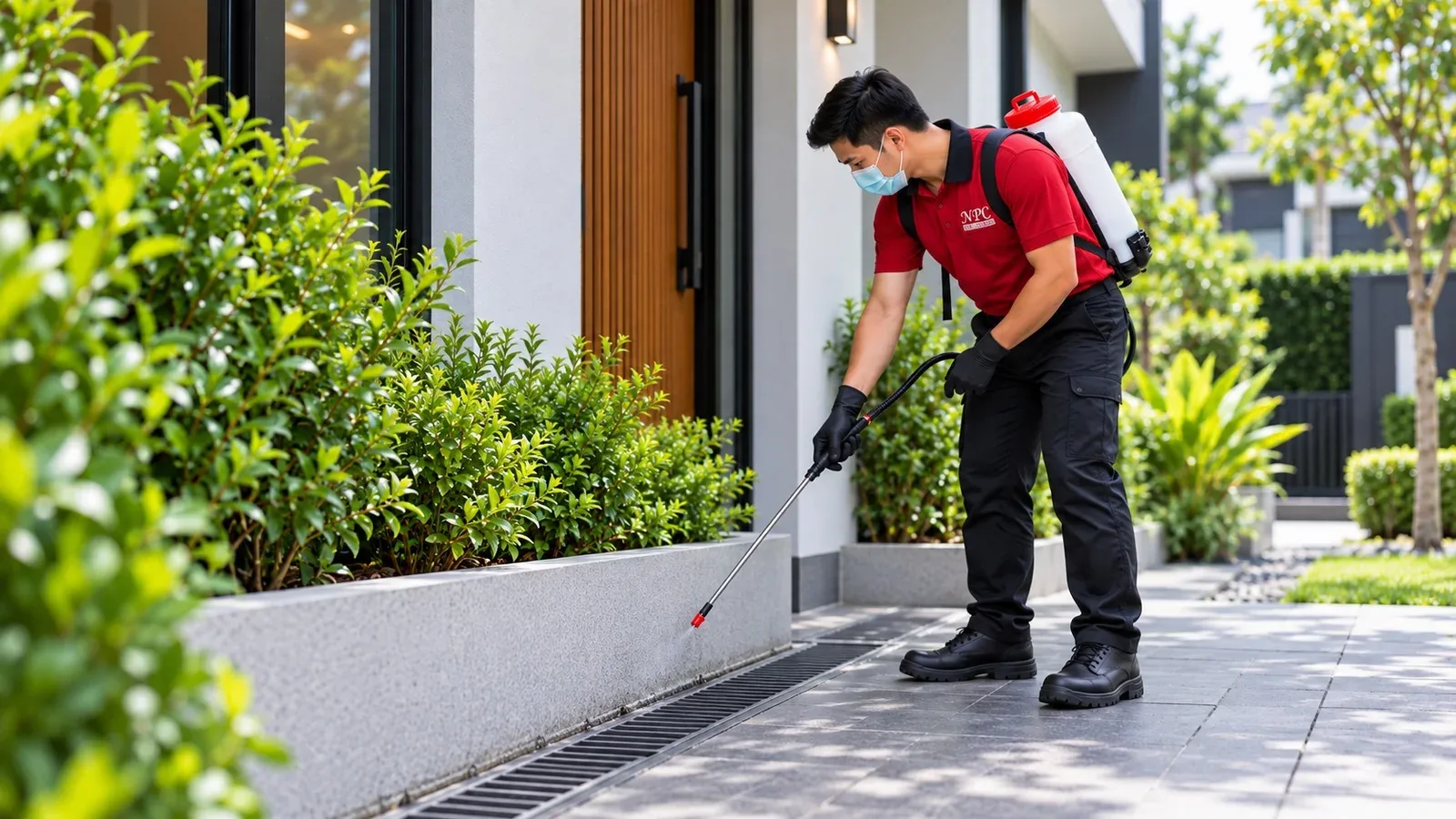
Last updated: 28 September 2026
This page starts with paperwork rather than pests, because that is how the buyer here thinks about it.
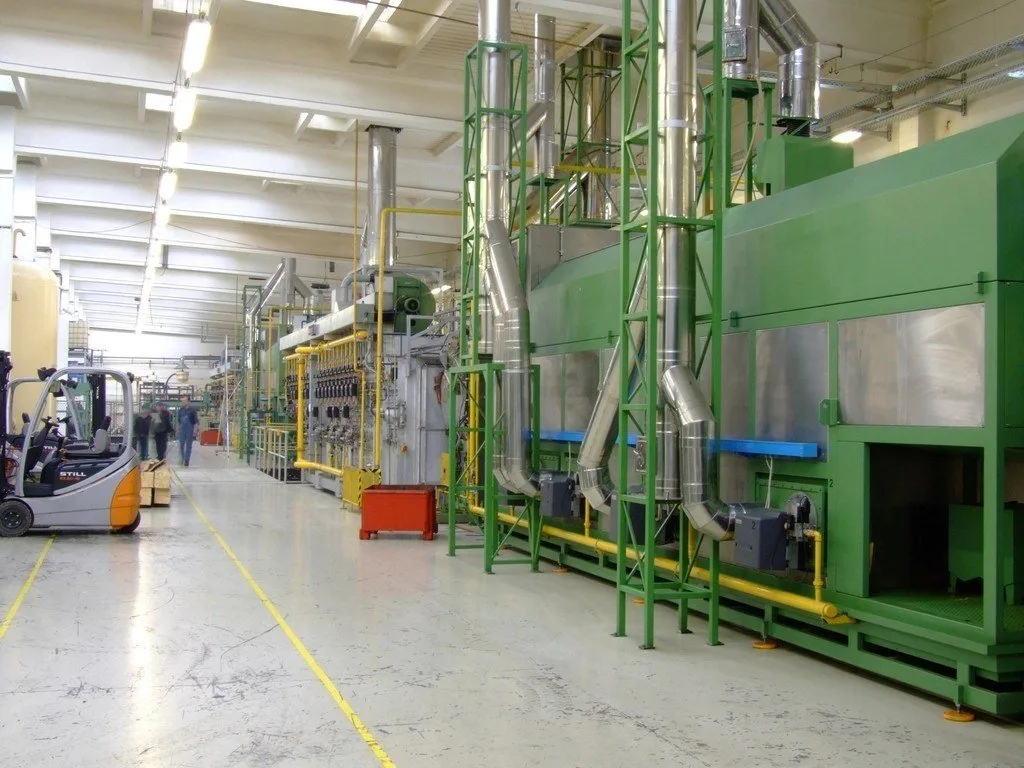
Shah Alam is Selangor’s manufacturing capital. HICOM-Glenmarie in Section U1, the HICOM Industrial Estate in Section 26 and the industrial Sections 15, 16, 22, 23 and 25 hold manufacturing, distribution and food-grade plants, most of them working to a customer audit standard of some kind. When an auditor arrives, the pest control file is opened early and it is opened in detail.
The residential side of the city is real too, and it runs in clear vintages: the PKNS numbered Seksyen housing is the oldest stock, then Kota Kemuning from 1994, Bukit Jelutong from 1996 and Setia Alam from 2004. Termites in the older Seksyen houses and mosquitoes across the whole city are the everyday jobs there.
Audit coming up and the pest file is thin?
We can survey the site, rebuild the station map and tell you exactly which documents are missing before the auditor does.
Quick Answer: A current station map with numbered devices, a service report for every visit with trend data, safety data sheets for what was applied, the technician’s licence, a corrective action log with closure dates, and an annual pest control certificate.
Most failed pest sections in an audit are not failed because of pests. They are failed because the file cannot answer a question: which device is number 14, when was it last checked, what was found, what was done about the gap under the shutter door that was written up in March.
So the reporting is built to answer those questions in order. The station map is updated whenever a device moves. Findings are trended so you can show direction rather than a single snapshot. Every corrective action has an owner and a date. The technician’s licence and the product documentation sit in the same file.
Key takeaway: Buy the reporting, not just the visits. On an industrial site the file is what the contract is actually for.
Quick Answer: Factories and food plants, warehouses and distribution centres, canteens and F&B, and the residential Seksyen and township housing.
Industrial work is the larger half of Shah Alam, but the housing side runs on a different clock.
Quick Answer: Rodents in plants and warehouses, stored product insects in palletised and bonded storage, flies and cockroaches in canteens, subterranean termites in the older Seksyen housing, and Aedes mosquitoes across both districts the city straddles.
Industrial first, because that is where most Shah Alam enquiries come from.
Quick Answer: A pest programme is judged on what it can prove. A contractor with a long licence history and consistent reporting gives an auditor a continuous record; a new file with three months in it does not, whatever the treatment is like.
NPC has been a licensed pest control operator since 2006 and holds current Department of Agriculture licences, which are published on the certificate page with the scans attached. For a QA manager that matters in a specific way: it means the licence dates on your file line up, the same company signs the reports year after year, and the annual certificate sits on top of a continuous history rather than a fresh start.
It also matters for the awkward cases. A customer audit that asks for three years of trend data, an incident that needs a root cause written up, a regulator asking what was applied in a food area eighteen months ago. Those are answered from the archive, not from the last visit.
Where a client needs it, we also provide the Ministry of Finance supplier registration details, including field 220901 for pest control and anti-termite work, for sites supplying government-linked customers.
Key takeaway: When you change contractor, the file has to change with you. Ask any new provider how your history will be carried forward before you sign.
Quick Answer: Free site survey, written quote, licensed technicians, a written report after every visit with the station map updated, and a call back within 48 hours if there is activity between scheduled visits.
Quick Answer: NPC has been a licensed pest control operator since 2006, holds Department of Agriculture licences and a Ministry of Finance supplier registration, and issues the annual pest control certificate audits and councils ask for.
Quick Answer: Shah Alam clients commonly have a plant here and a warehouse in Klang or an office in PJ. Those run under one contract, one station numbering scheme and one reporting format.
An industrial site usually needs rodents, flies and stored product insects covered by one programme and one file. Related services: termite control, cockroach control, rat control, ant control, bed bug control, mosquito control, fly control and flea and tick control. We also provide disinfection and sanitising, and pest control certificate renewal. See every area we cover on the service areas page. For shah alam pest control, call 03 8061 1875 or WhatsApp 016 335 9799, Monday to Saturday, 9am to 6pm.
It is priced from the site: the perimeter length, the number of stations and monitors, the visit frequency your audit standard requires, and whether food-grade documentation is needed. We survey first and quote in writing, itemised so you can compare it against another proposal line by line.
Yes. That means a numbered device map, per-visit service reports with trend data, safety data sheets for everything applied, technician licence copies, a corrective action log and an annual certificate. It is the standard package for our food-grade sites.
Most food-grade plants run fortnightly or monthly, with weekly checks on high-risk areas during a problem. The right frequency comes out of the survey and your own audit standard, and we will tell you if you are buying more visits than the site needs.
Yes. We take over the existing station numbering where it is sound, or renumber and remap and note the change, so the file stays continuous and an auditor can follow it across the handover.
Yes. The numbered Seksyen housing, Kota Kemuning, Bukit Jelutong and Setia Alam are all in our normal coverage, and the usual jobs there are termites, ants and mosquitoes.
Yes. Most plant work is scheduled around shift patterns or during shutdowns, and the visit time is agreed in the contract rather than left to chance.

Want the pest file ready before the audit?
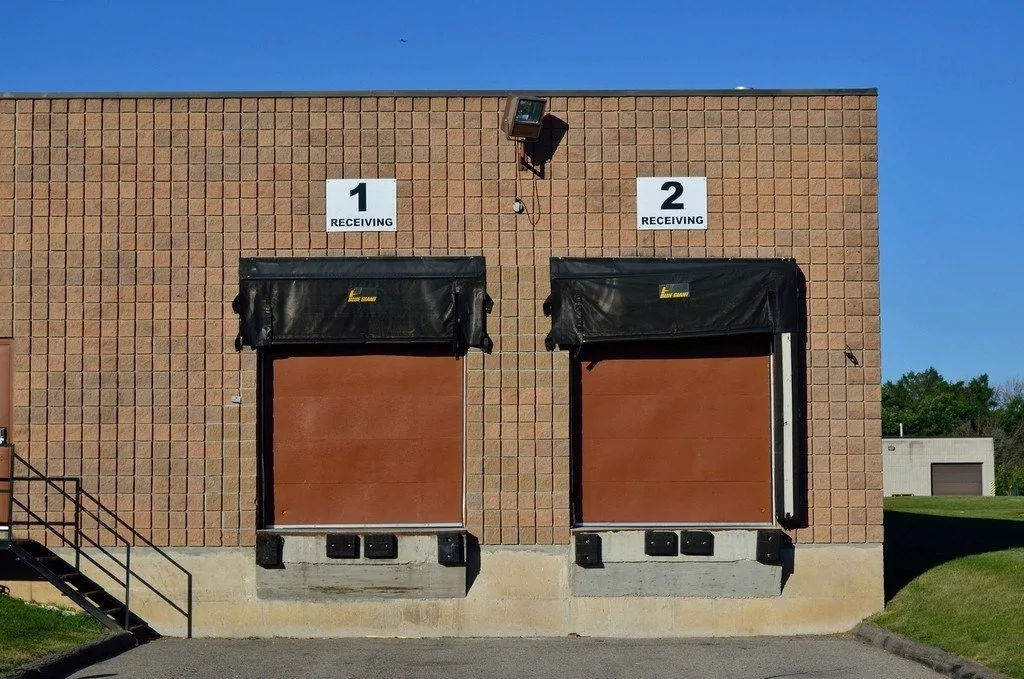
Book a free site survey. A licensed technician walks the perimeter, the production and storage areas and the docks, then sends a written quote covering the station map, the visit schedule, the documentation package and the warranty terms.