
Last updated: 28 September 2026
Rawang’s ground has been dug over twice before anyone built a house on it.
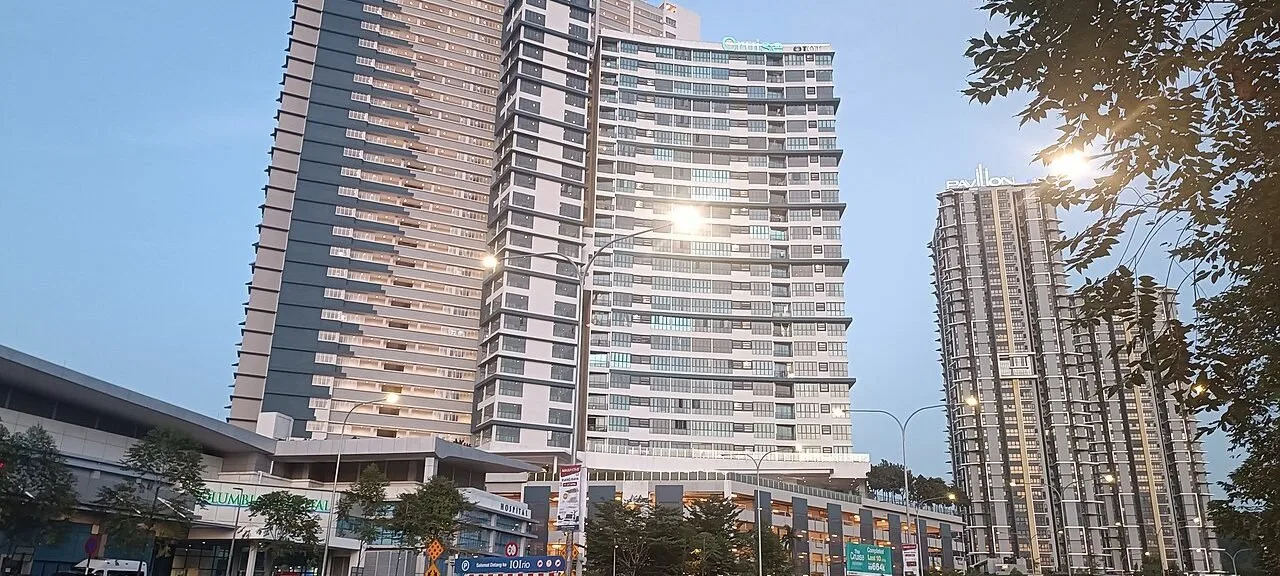
Tin from around 1825, then rubber and oil palm once tin collapsed, then the country’s first cement works in 1953, and now nearly 200,000 people under MPS Selayang. Bandar Country Homes anchors the modern town with thirteen precincts across 700 freehold acres, alongside Bandar Tasik Puteri, Kota Emerald, Rawang Perdana and Bandar Seri Coalfields, and the new build pipeline is still large and live.
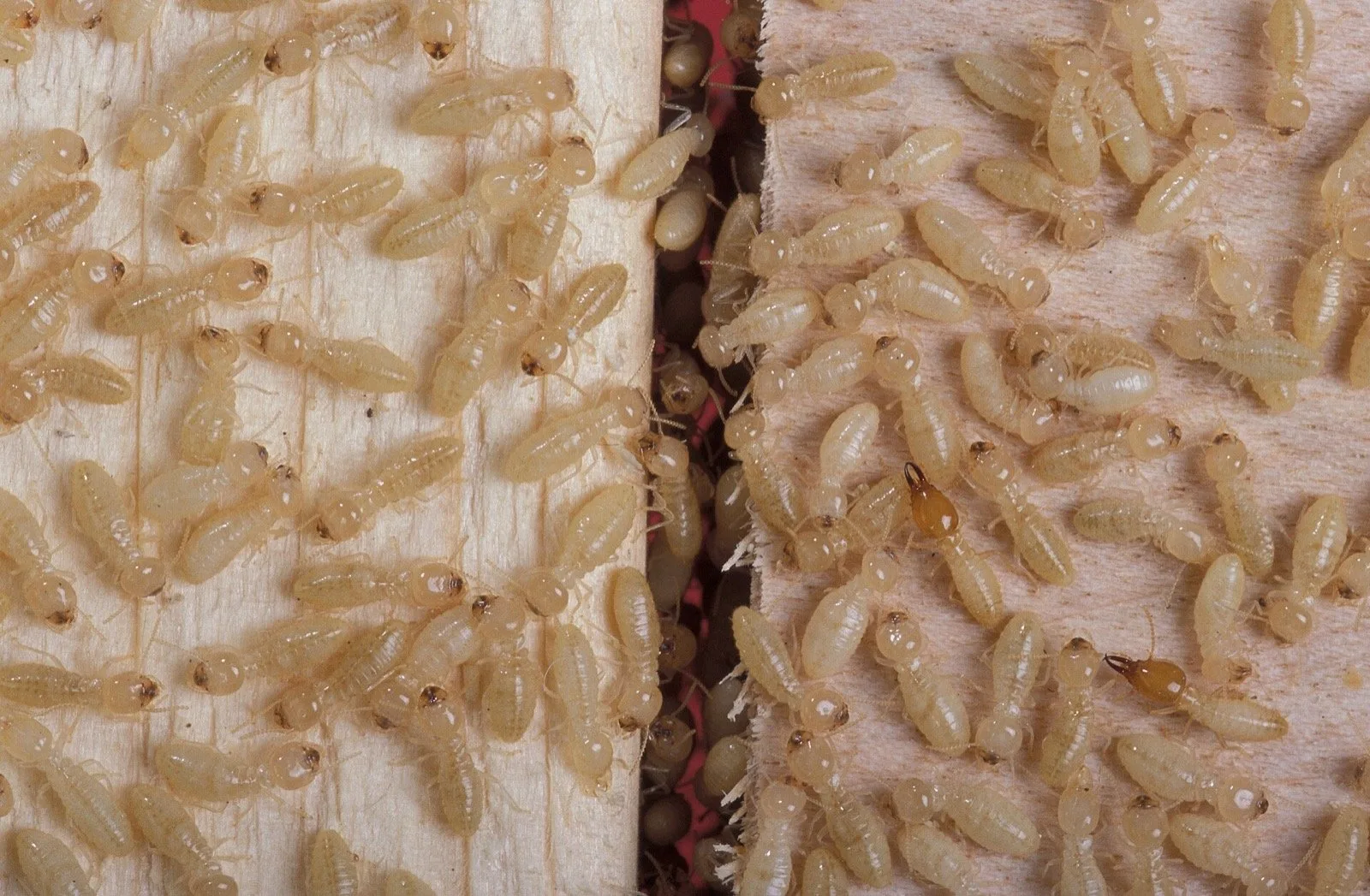
All of that history sits under the houses as established subterranean termite territory. The other thing that makes Rawang different is the boundary: the 1,214 hectare Templer Park forest reserve with its limestone cliffs is inside the town, and housing now runs right up to the edge of it. What comes off that edge is handled by proofing and exclusion, not by treatment.
Pouring a slab, or bought a house that never had soil treatment?
Two different jobs and two different prices. A technician will tell you which one applies before anything is quoted.
Quick Answer: Pre-construction soil treatment is applied once the ground is levelled and compacted and before the concrete slab is poured, and it is bought by the developer or main contractor. After the slab is down, protection means a perimeter barrier or a baiting system installed around the finished house.
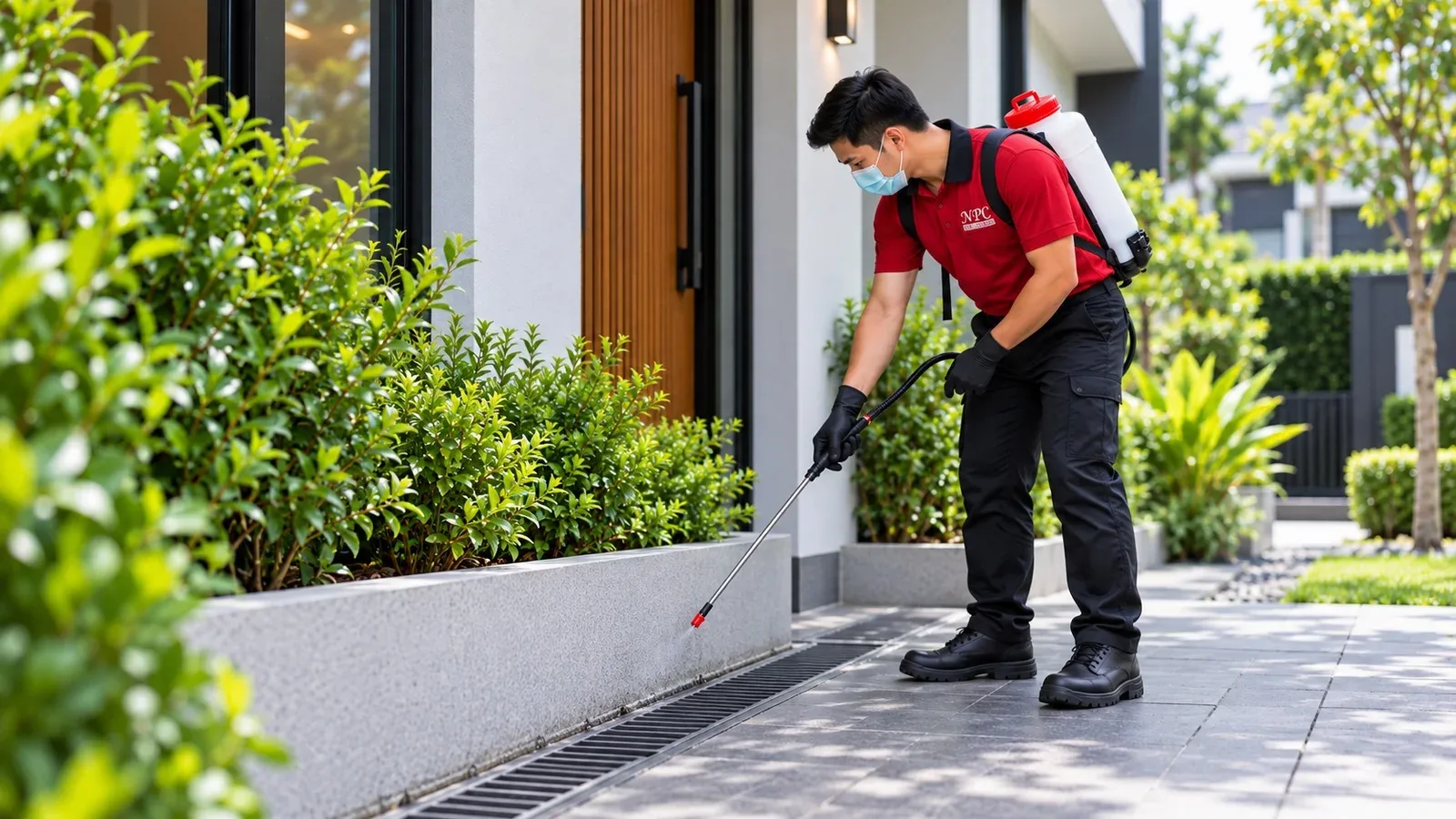
The pre-construction window is short and it does not come back. Treatment goes onto prepared, compacted ground and under the slab, which is where subterranean termites would otherwise come through. It is documented with a treatment certificate that belongs in the project file and, later, in the house’s paperwork.
If that window was missed, the house is not defenceless. A perimeter barrier or a baiting system around a completed building gives protection without drilling through finished floors in most cases, and baiting has the advantage of removing the colony rather than only excluding it from one structure.
For buyers, the practical move is to ask for the soil treatment certificate at handover. If there is not one, price protection into the first year rather than waiting for mud tubes on the porch wall.
Key takeaway: Ask for the soil treatment certificate at handover. If it does not exist, protection is still cheaper than repair.
Quick Answer: New township housing and sites under construction, established landed homes, industrial and warehouse units around Kundang and the industrial park, and old town shoplots.
A growing town, so the work splits between what is being built and what is already lived in.
Quick Answer: Subterranean termites first, then rodents coming off scrub and the forest boundary, mosquitoes from construction sites and open drains, and stored product insects in the industrial parks.
The land history explains most of this list.
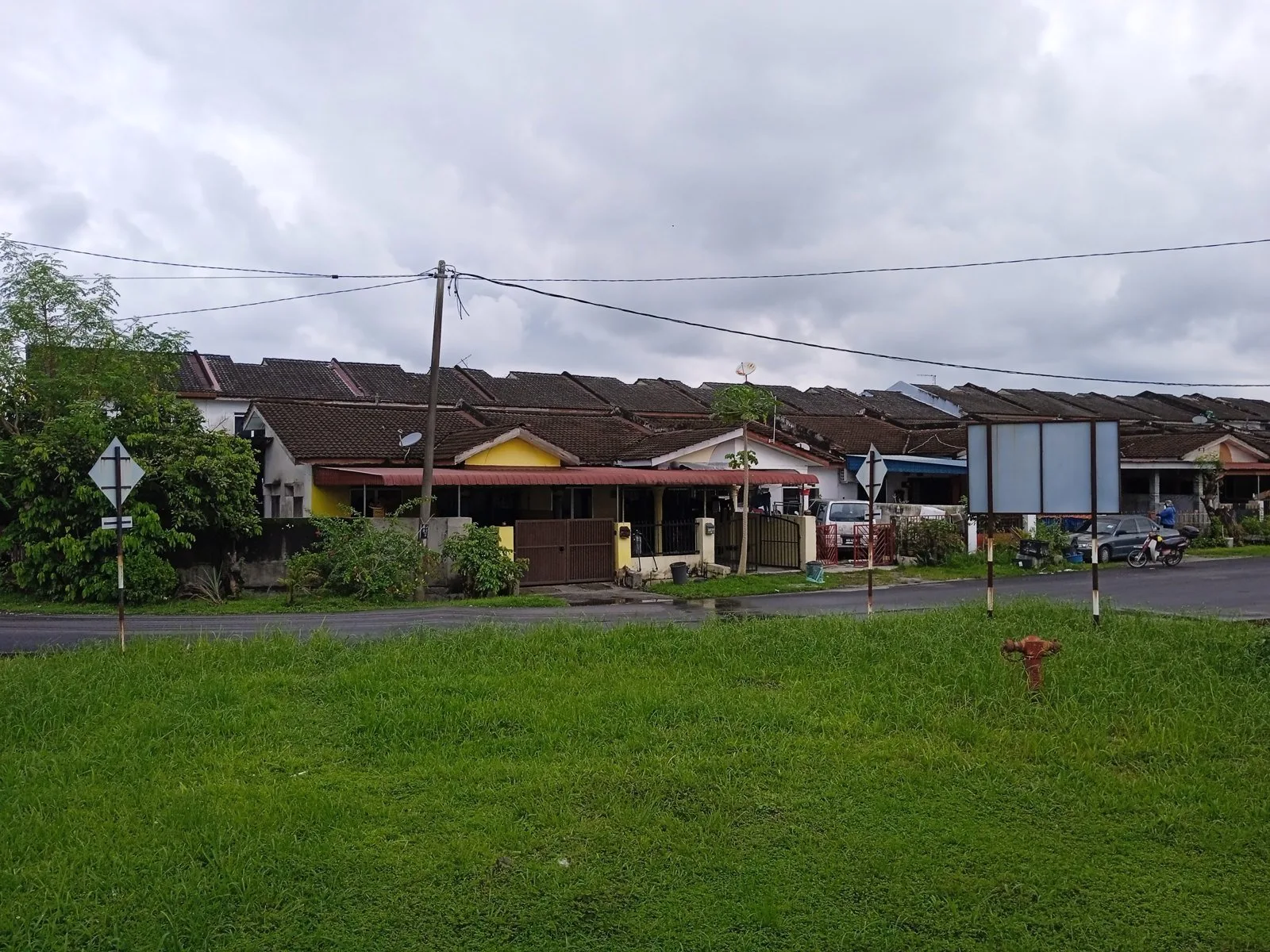
Quick Answer: Housing that backs onto scrub or the Templer Park reserve gets visits from wildlife as well as pests. The legal and practical answer is exclusion: close the roof line, eaves, weep holes, gates and drains, and remove the food and garden waste that draws animals in.
Competing pages get this wrong and offer to remove snakes or monitor lizards. Protected wildlife is PERHILITAN’s responsibility, and handling it without authority is an offence. If there is an animal in the house, that is the number to call, not a pest contractor’s.
What a pest control company can properly do at the boundary is reduce the reason anything comes in. That means proofing: mesh at weep holes and vents, sealing at the roof line and eaves, gap closure at gates, grilles on drains, and cutting back branches that bridge the fence line. Then the food: garden waste, fallen fruit, uncovered bins, pet food left outside, and standing water.
Done properly this is a one-off structural job with a small maintenance routine after it, rather than a recurring treatment. We quote it as such and say plainly which parts are treatment and which parts are building work you may prefer to do yourself.
Key takeaway: At the forest edge, proofing beats treatment. And if it is a snake or a monkey, call PERHILITAN, not us.
Quick Answer: Free inspection, written quote, licensed technician, written report with a review date, and a call back within 48 hours if the pest is active again inside the contract period.
Quick Answer: NPC has been a licensed pest control operator since 2006, holds Department of Agriculture licences and a Ministry of Finance supplier registration, and issues soil treatment certificates for new works and annual pest control certificates.
Quick Answer: Rawang, Kundang, Kuang and the Serendah fringe are covered from our Puchong office, and developers with sites in more than one location run them under a single contract.
A Rawang job is usually termites, with proofing work alongside it at the forest edge. Related services: termite control, cockroach control, rat control, ant control, bed bug control, mosquito control, fly control and flea and tick control. We also provide disinfection and sanitising, and pest control certificate renewal. See every area we cover on the service areas page. For rawang pest control, call 03 8061 1875 or WhatsApp 016 335 9799, Monday to Saturday, 9am to 6pm.
It is priced by treated area and the stage of the build, so a site quote follows a look at the drawings or the prepared ground. For an existing house, baiting or a barrier is priced by perimeter. Both are quoted in writing after inspection.
After the ground has been levelled and compacted, and before the concrete slab is poured. That is the only window for pre-construction treatment. If the slab is already down, the answer is a perimeter barrier or a baiting system.
No. A baiting system or a perimeter barrier can be installed around a completed house, usually without drilling finished floors. Book an inspection first, because if there is already activity the treatment plan changes.
No. Snakes, monitor lizards and macaques are PERHILITAN’s remit and a licensed pest control company cannot legally handle them. Call PERHILITAN for the animal, then we can close the entry points and remove what attracted it.
Active construction sites hold water in trenches, drums and formwork, and open drains do the same. Gombak district recorded the largest dengue increase in Selangor this year, up 115.4 per cent, so the work that counts is emptying and covering containers weekly, with fogging used when a case is reported nearby.
Yes. Warehousing and factory work in Rawang Industrial Park, Kundang and Kuang is normal coverage, and it runs on the same station map and reporting format as our other industrial sites.
Building here, or protecting a house that never was?
Book a free inspection. A licensed technician checks the ground, the perimeter, the roof space and the boundary, then sends a written quote covering the treatment, the certificate and the review visit.