
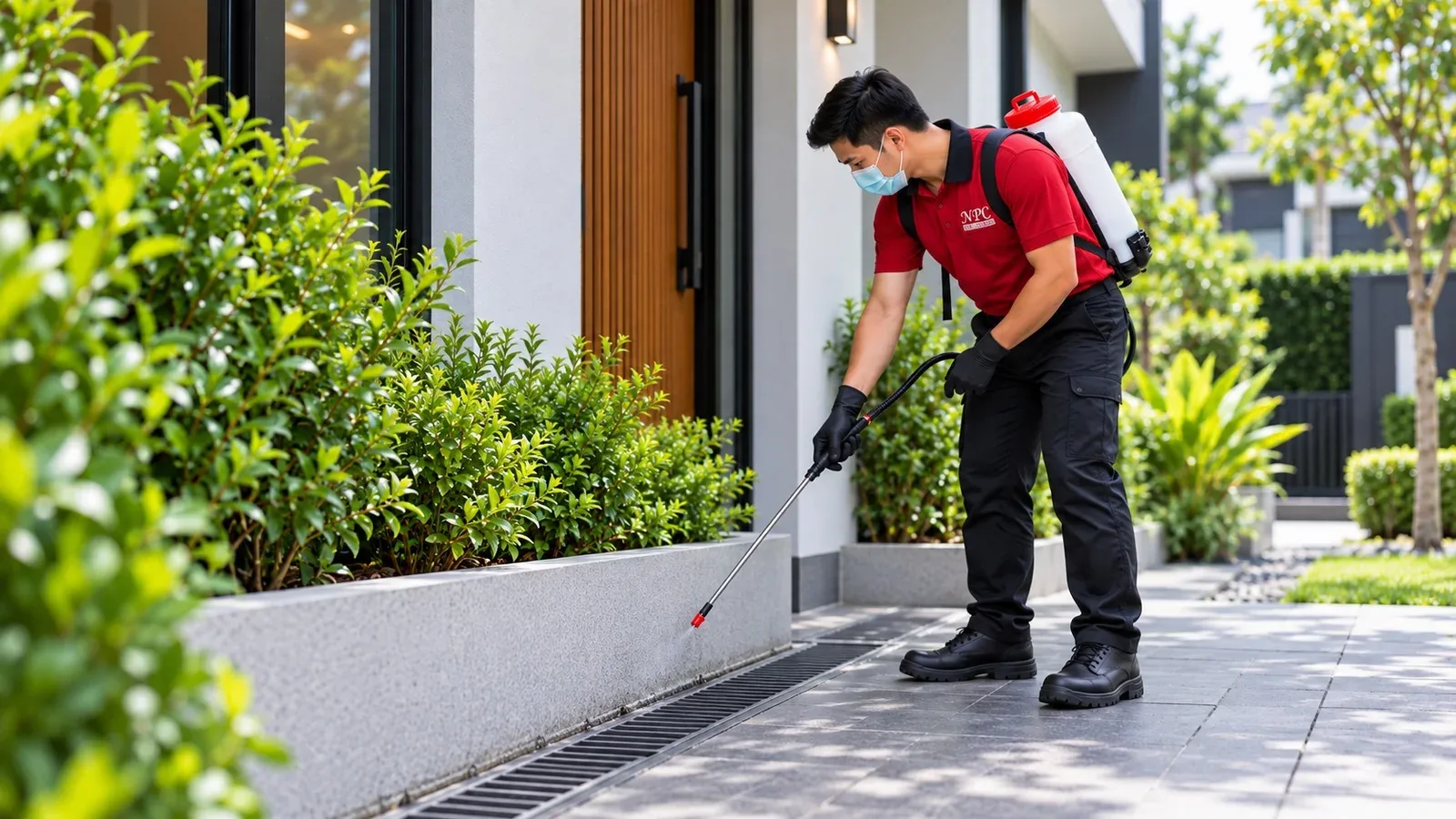
Last updated: 22 September 2026
Most people call about rats twice. The first call is about noise in the ceiling. Someone baits, and the noise stops. The second call comes a few months later, because nobody sealed the gap the rats were using. That matters for health as well as sleep. A study in Kuching found 44.8% of urban rodents tested positive for Leptospira, the bacteria behind leptospirosis.
This page explains what our rat control services include, how long the work takes, what the price depends on, and why proofing matters more than poison. Our clients include KTM and Malaysia Airlines, and our team has handled rat problems across KL and Selangor for more than 15 years. The promise is simple: proven, effective results, backed by a written warranty.
Hearing scratching in the ceiling at night?
A licensed technician can find how the rats are getting in before you spend anything.
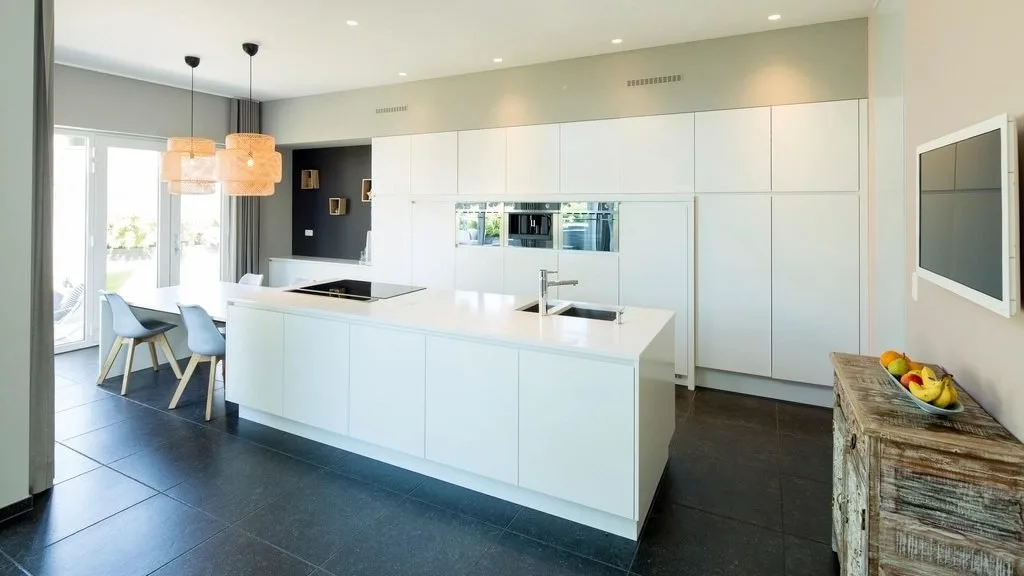
Quick Answer: Five signs point to rats in a Malaysian home or shop: scratching in the ceiling at night, droppings along walls, gnawed cables, greasy marks on skirting and burrows near the drain. Any one of them is worth a free site inspection. In the city, our rat control in Kuala Lumpur team handles shoplots and back lanes.

Do not scrub the grease marks before we arrive. Those smears are the most useful thing a technician finds. They trace the route back to the entry point. Photograph any droppings and clean them up with gloves on, but leave the marks on walls and pipes alone. And if you see a rat in daylight, tell us. Rats avoid people, so a daytime sighting usually means the nest is crowded.
Key takeaway: Grease marks show where rats travel, and a daytime sighting hints at how many there are. Both shape the treatment plan.
Quick Answer: Good rat control services use more than one method. Locked bait stations work outside and along the perimeter. Traps work indoors, where a dead rat must not be left behind. Rat proofing services seal the gaps so new rats cannot get in. Commercial sites add a monitored programme.
Trapping is the safer choice indoors. The University of California IPM guide calls snap traps the safest and most economical way to trap rats. It also notes that a rat can squeeze under a half-inch door gap, so we treat any gap wider than a quarter inch as a way in.
Rat Control Methods Compared
| Method | What it involves | Best fit | Stops rats getting back in? |
|---|---|---|---|
| Locked bait stations | Tamper-resistant boxes fixed along runs and walls | Gardens, back lanes, outside walls | No |
| Snap and glue traps | Traps set on active runs, rats removed | Kitchens, food premises, ceiling voids | No |
| Rat proofing | Gaps sealed, vents meshed, door brushes fitted | Any building where rats keep returning | Yes |
| Monitored programme | Numbered stations, set visits, written log | Restaurants, warehouses, factories | Keeps a proofed site clear |
Source: NPC Pest Control field practice, KL and Selangor, 2024–2026.
Key takeaway: Baiting and trapping remove the rats already inside. Only proofing changes whether new ones get in, so a quote without it will need repeating.
Quick Answer: Most homes go quiet within two to three weeks. On site, an inspection takes about an hour and setting stations and traps takes one to two hours. Proofing is the longest job, often half a day or more. Contact NPC to book the first visit.
Every NPC job follows the same five steps:
Typical Time on Site, by Step
| Step | Time on site | Typical duration |
|---|---|---|
| Site inspection | 45–90 min | |
| Stations and traps | 1–2 hours | |
| Rat proofing | Half to full day | |
| Follow-up visit | 45–90 min |
Source: NPC Pest Control, typical jobs in KL and Selangor, 2024–2026.
You can stay in the building throughout. Opening the ceiling hatch before the survey saves time.
Key takeaway: Proofing is the long day on site. A quote that promises proofing in twenty minutes is sealing one hole, not the building.
Quick Answer: Rat control in Malaysia is priced per property, not from a fixed list. A single treatment, a monitored programme and a proofing job are each priced differently. NPC sends a written quote after a free site inspection.
Be wary of a price given over the phone. It usually assumes one ceiling and no proofing. Three things decide a quote:
What Drives the Quote, by Property and Service
| Property type | Single treatment | Monitored programme | Rat proofing |
|---|---|---|---|
| Condo unit | Ceiling access, station count | Rarely needed | Pipe collars, chute gaps |
| Terrace house | Ceiling size, garden burrows | Visit frequency | Entry points, drain line |
| Semi-D / bungalow | Floor area, roof access | Perimeter length | Eaves, roof line |
| Shoplot / restaurant | Trapping, night work | Visits, audit records | Back doors, grease traps |
| Warehouse / factory | Site area, racking | Station count, reporting | Shutter gaps, loading bays |
Source: NPC Pest Control quoting practice, KL and Selangor, 2024–2026. Every job is quoted on inspection.
Key takeaway: Compare quotes on what they include. Treatment alone and treatment with proofing are different jobs, and the cheaper one tends to come back.
Want a real price for your property?
We map the runs and entry points, then send a written quote. The inspection is free.
Quick Answer: They do if the way in stays open. Baiting removes the rats living there now, but the next rat along the drain finds the same gap. Sealing entry points with rat proofing is what keeps a building clear after the noise stops.
A common answer to repeat rats is a monthly bait contract. It keeps the numbers down, but it never closes the door, so you pay every month to remove the next arrivals. The UC IPM guide describes successful rat control as three things done together: sanitation, exclusion and population control. A bait-only contract does just the last one. Seal the gaps once, and the monthly visits become checks instead of a clean-up.
What to Expect After Treatment, Week by Week
| Approach | Week 1 | Week 2 | Week 6 | Month 6 |
|---|---|---|---|---|
| Baiting only | Bait taken, noise continues | Noise stops, smell possible | Quiet | New rats through the same gap |
| Baiting plus proofing | Bait taken, gaps sealed | Noise stops, no new signs | Stations clear | Still clear, routine checks |
| Shop-bought bait | Bait ignored | Some taken, dead rat indoors | Survivors avoid bait | Numbers back, harder to treat |
Source: NPC Pest Control field observations, KL and Selangor, 2024–2026.
Key takeaway: A quiet ceiling at week six only shows the bait worked. Month six is the real test, and sealed entry points decide it.
Quick Answer: Check four things before you pay: licences you can verify, a survey report that names the entry points, a written warranty, and named clients you can check. NPC Pest Control meets all four from our office in Bandar Puteri Puchong.
Search for the best rat control company in Malaysia and you mostly get listicles. Use this checklist to compare rat control services instead:
Key takeaway: One question separates companies: does the survey report name the entry points? A report without them only deals with the symptoms.
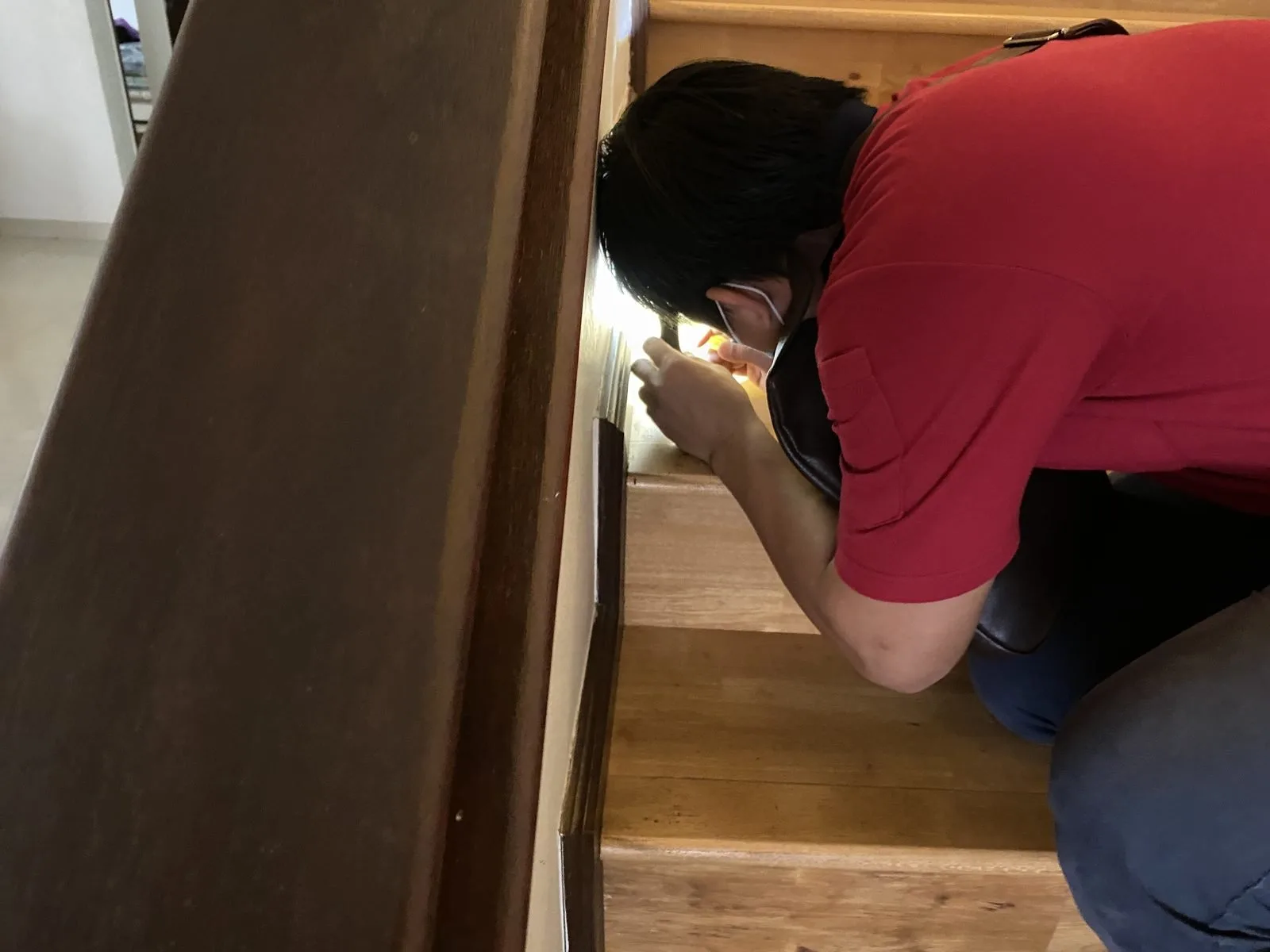
Quick Answer: Yes. In food prep areas it is the normal approach. Indoor work uses traps and proofing, and any bait stays in locked stations outside. Our pest control for restaurants adds a station map and service records for your audit file.
Shoplots share a back lane, so one bin area feeds the whole row. Here is how the job changes for food premises:
Warehouses and factories follow the same logic at scale. See our commercial pest control page.
Key takeaway: In a restaurant, the back lane and the paperwork matter as much as the traps. Ask for both in the quote.
Quick Answer: Good rat control finds the runs first, removes the rats, then seals the way in. Use bait outside, traps inside and proofing to finish the job. NPC covers KL and Selangor, most often Puchong, Seri Kembangan, Serdang, Subang Jaya, USJ, Shah Alam and PJ. See all our pest control services.
The drains and ceilings rats use often carry other pests too, so one survey can settle more than one problem. Related services: termite control, cockroach control and ant control. We also provide disinfection and sanitising services, and pest control certificate renewal for F&B and medical premises. For rat control services in Malaysia, call 03 8061 1875 or WhatsApp 016 335 9799.
There is no fixed price. It depends on the service, the size of the property and access. NPC quotes in writing after a free inspection.
It can happen, so we plan around it. Bait goes outside and along the perimeter where possible. Indoor work uses traps, so the rat is removed. If a smell does develop, tell us and we will find and remove the source.
Bait is only used inside locked stations that are fixed in place and opened with a technician’s key. They are placed away from play areas and pet routes. With a very young child or a curious dog at home, we switch to traps indoors.
Most homes are quiet within two to three weeks. Rats avoid new objects, so they take bait slowly at first. Busy commercial sites are managed on a programme rather than cleared once.
Rat proofing seals the ways in: gaps meshed or mortared, collars around pipes, brushes on doors, and screens over vents and drains. If this is your second rat problem in the same building, you need it. Baiting again will give the same result as last time.
The short video below shows where rodents usually get into a building, and how each gap is sealed.
Source video: Pest Protection Plus on YouTube

Ready to get the rats out, and keep them out?
Book a free site inspection. A licensed technician will map the runs and entry points, then send a written quote covering treatment, proofing and the warranty.