
Last updated: 28 September 2026
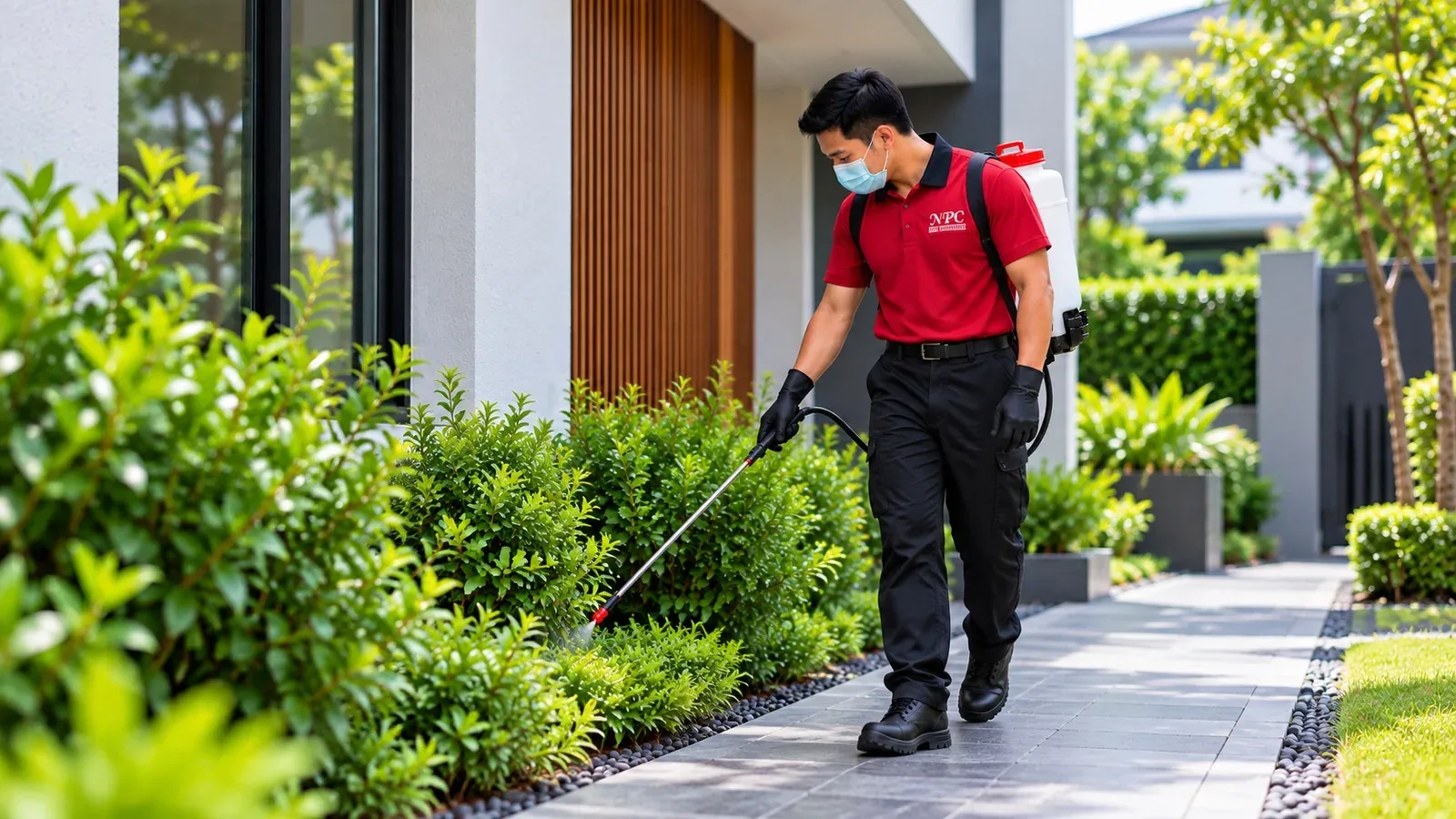
NPC works from 47-1, Jalan Puteri 5/3, Bandar Puteri. Puchong is not a coverage claim for us, it is the street outside.
Two things drive the work here. The first is rodents in the commercial rows: Bandar Puteri, Bandar Kinrara, Puchong Jaya, IOI Boulevard and the industrial parks, where shoplots share back lanes, bin areas and a continuous run of food businesses. In May 2026 MBSJ exterminated 275 rats in a single day in the Bandar Puteri 1 commercial square. That is the scale of the population a whole square can hold.
The second is documentation. Later that same month MBSJ closed five eateries in Taman Perindustrian Puchong Utama, and the absence of any pest control record was part of what was found. A council operation resets a street for a while. Keeping your own unit out of the next one is a different job, and it is the one this page is about.
Rats in the shoplot or the factory?
We are based in Bandar Puteri, so a technician can usually be at a Puchong property the same day.
Quick Answer: A shoplot row is one continuous structure with shared back lanes, bin areas and ceiling voids. Rodents use the row, not the unit, so a treatment scoped to a single lot is reinfested from next door within weeks.
Walk the back of any Puchong commercial square at night and the picture is the same: bins staged outside, grease traps at the rear, a covered service lane, and a continuous ceiling void running above the whole row. A rat population lives in that shared space and comes into individual units for food.
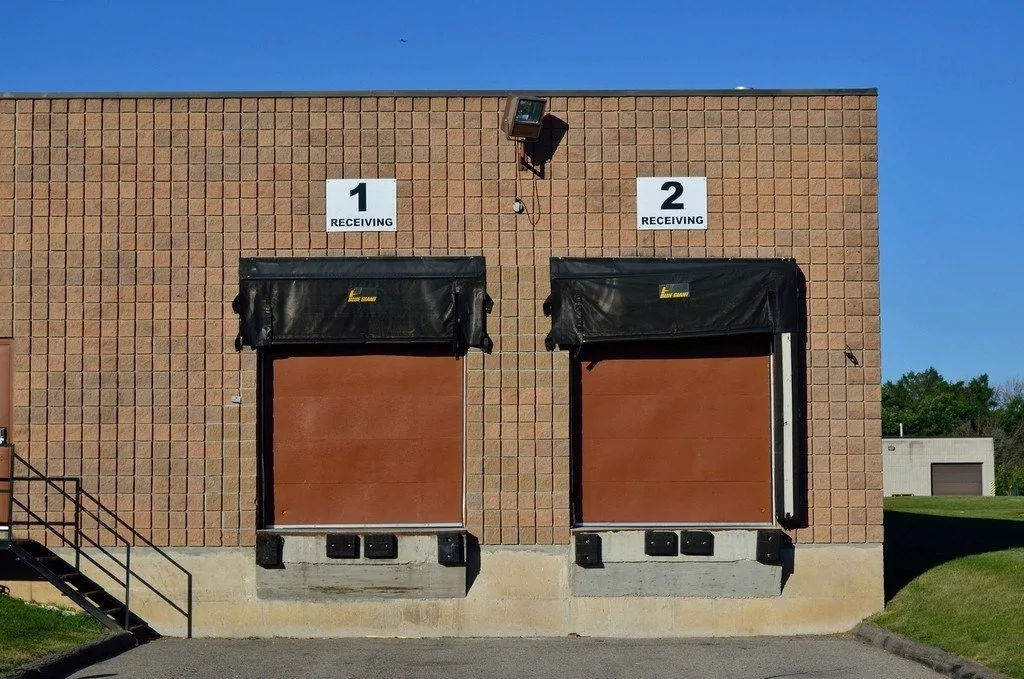
Industrial units add two more factors. Raw material and packaging stored on pallets against walls gives harbourage that never gets moved, and roller shutter doors leave a gap at the floor that a rodent walks under. Neither is solved by putting bait inside the unit.
Key takeaway: Scope rodent work to the row or the building envelope. A unit-only programme in a Puchong shoplot is a holding action at best.
Quick Answer: Shoplots and eateries, industrial and warehouse units, landed housing in the older taman, and strata blocks. Each has a different entry point and a different reporting need.
Puchong is a mixed town, and the four property types below cover almost everything we are called to.
Quick Answer: Rats and mice first, then cockroaches in food premises, then subterranean termites in the older landed taman, then flies at industrial docks and Aedes mosquitoes.
Rodents dominate the commercial side and termites dominate the residential side.
Quick Answer: In May 2026 MBSJ exterminated 275 rats in one day at the Bandar Puteri 1 commercial square, and closed five eateries in Taman Perindustrian Puchong Utama, with a lack of pest control documentation among the findings.
Both events say the same thing in different ways. The Bandar Puteri figure shows how large a population a commercial square can support before anyone treats it as an emergency. The Puchong Utama closures show what happens to an individual operator who has nothing on file when the inspection arrives.
A council operation is a one-day reset of shared space. It does not cover your ceiling void, your grease trap or your bin store, and it leaves no record with your name on it. Those are the parts you have to organise, and they are exactly what a service contract produces: a numbered station map, a signed report per visit, sightings logged, and corrective actions with dates against them.
Because our office is in Bandar Puteri, the practical difference in Puchong is speed. A callback here is usually the same working day, and a review visit does not need to be batched with other jobs to be worth the trip.
Key takeaway: The sweep protects the square. The file protects your licence. You need the second one before you need it.
Quick Answer: Free inspection, written quote, licensed technician, written report with a review date, and a call back within 48 hours if the pest is active again inside the contract period. In Puchong that call back is usually the same day.
Quick Answer: NPC has been a licensed pest control operator since 2006, holds Department of Agriculture licences and a Ministry of Finance supplier registration, and issues the pest control certificate councils and franchises ask for.
Quick Answer: Puchong is our base, and we work outward from it across Subang Jaya, Seri Kembangan, Kinrara, Serdang and into KL, so multi-site clients can run everything under one contract.
A Puchong commercial job is usually rodents plus cockroaches, under one schedule and one logbook. Related services: termite control, cockroach control, rat control, ant control, bed bug control, mosquito control, fly control and flea and tick control. We also provide disinfection and sanitising, and pest control certificate renewal. See every area we cover on the service areas page. For puchong pest control, call 03 8061 1875 or WhatsApp 016 335 9799, Monday to Saturday, 9am to 6pm.
A house is priced per treatment, and a shoplot, restaurant or factory is priced as a contract once we have seen the layout, because the station count and visit frequency drive the price. The inspection is free and the quotation is itemised in writing.
Our office is in Bandar Puteri, so for an active problem in Puchong we can normally attend the same working day. Call or WhatsApp and we will give you a time rather than a window.
Yes, if you want it to stay cleared. A council operation treats shared space on one day. Your unit’s ceiling void, grease trap and bin area are yours, and so is the requirement to show records at inspection.
Copies of the operator’s licence, a numbered station or treatment map, a signed logbook with a date for every visit, sightings recorded, and corrective actions with the date each was closed. We leave all of that on site.
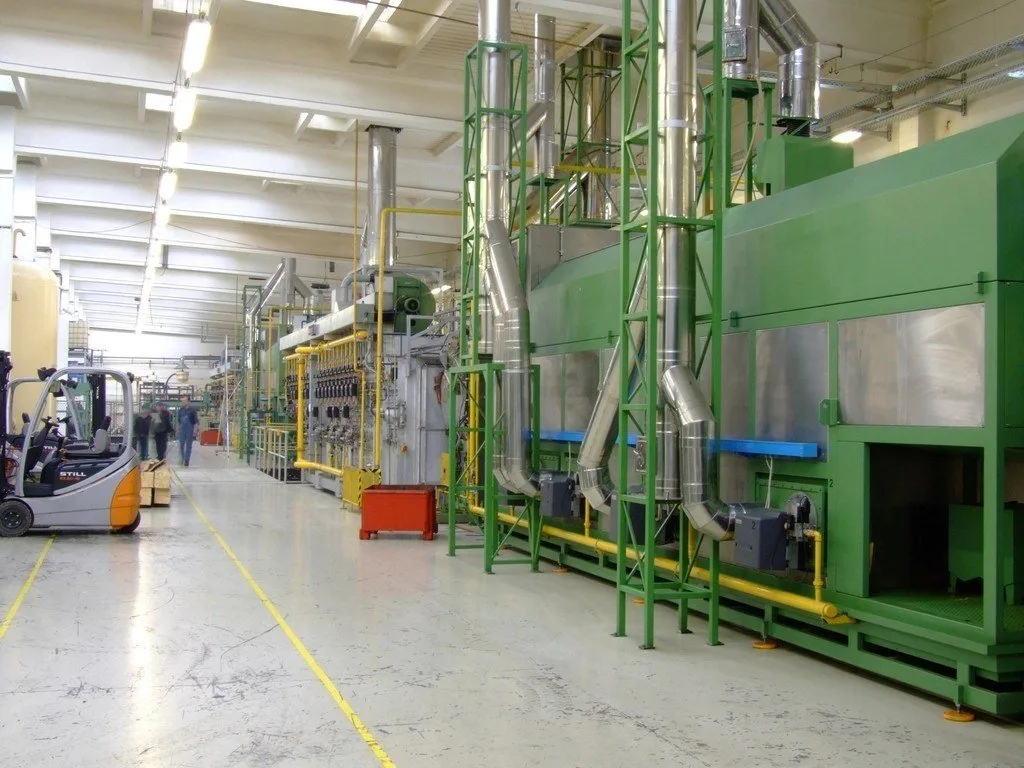
Yes. Industrial work is a bigger version of the same job: an external bait station ring, internal monitors, fly control at the docks, and reporting trended over time so an auditor can see the direction of travel.
Yes. Houses of that age usually get a baiting system placed around the perimeter and at active points, so there is no drilling through finished floors, plus a review visit to confirm the colony has stopped feeding.
We are five minutes away in Bandar Puteri
Book a free inspection. A licensed technician walks the unit, the ceiling void and the back lane, then sends a written quote covering the station map, the visit schedule, the reporting and the warranty terms.