
Last updated: 28 September 2026
In Kuala Lumpur a pest problem becomes a licensing problem faster than anywhere else in the country.
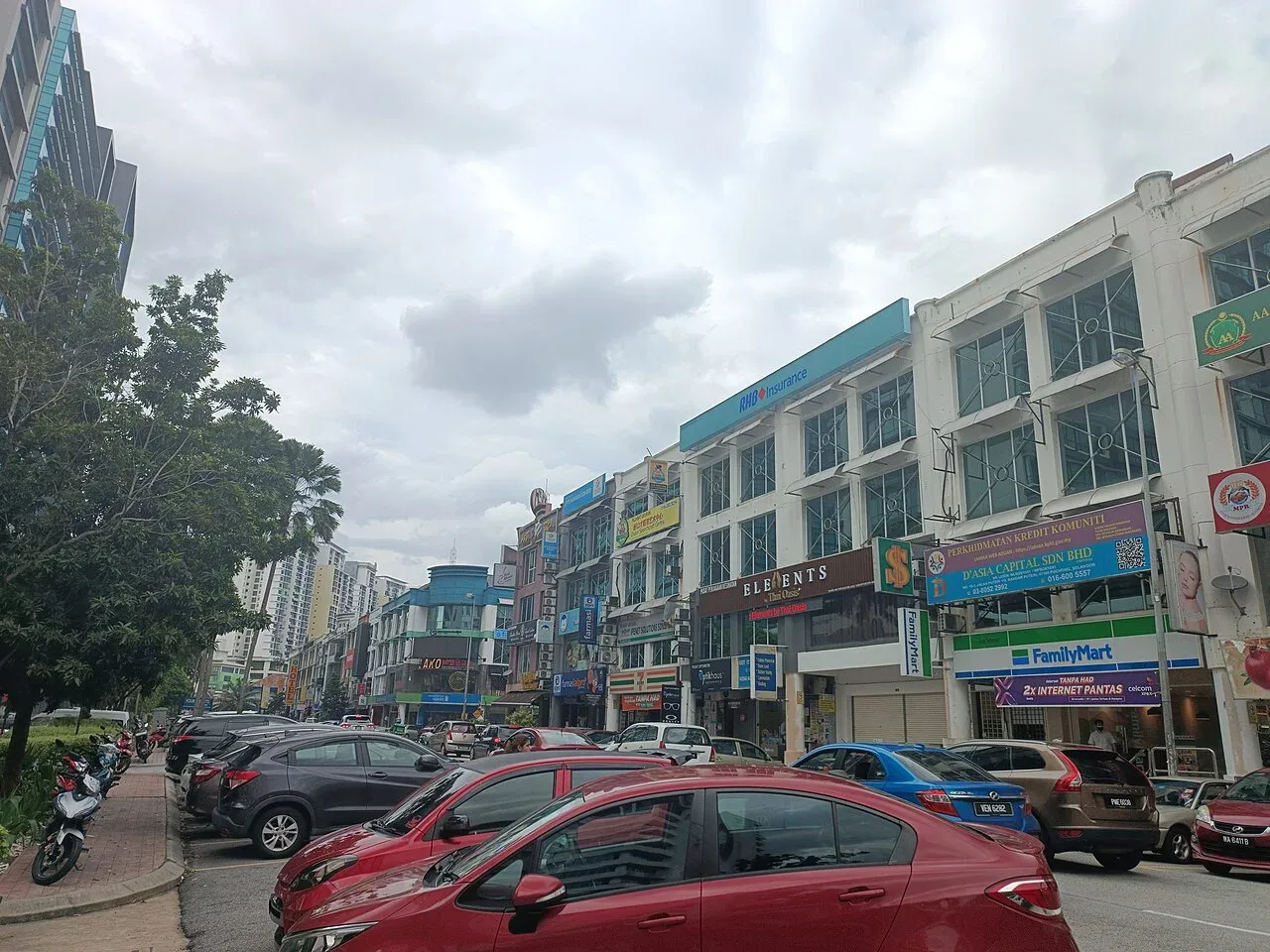
Three cities sit inside one. The pre-war shophouses and wet markets around Chow Kit, Pudu, Petaling Street and Jalan Alor share party walls, back lanes and grease traps, so one kitchen’s rats belong to the whole row. The 1960s to 1980s terraces in Bangsar, TTDI, Sri Hartamas, OUG and Cheras are at the age where timber roof trusses start showing subterranean termite damage. The high-rise core, KLCC, Bukit Bintang, Mont Kiara, KL Sentral and Bukit Jalil, moves cockroaches and rats between floors through refuse chutes, service risers and basement carparks.
This page is written for the person who has to answer to somebody: a restaurant operator facing a re-inspection, a building manager with complaints from four floors, a JMB deciding what to put in the service contract. It covers what DBKL looks for, how the work is scheduled around a live business, and which records to keep.
Been served a notice or a grading you want to fix?
A licensed technician can survey after close and tell you what an inspector will find before the inspector does.
Quick Answer: Pest pressure in KL is shared, not private. Party walls, back lanes, refuse chutes and podium kitchens connect premises to each other, so a clean unit next to an untreated one gets reinfested. Treating the connection is what holds.
A rat in a Jalan Alor kitchen did not come from that kitchen. It came along the back lane, through a gap by the grease trap, from a bin store two doors down. The same logic runs vertically in a tower: a German cockroach population in a podium restaurant reaches the residential floors through the refuse chute and the riser, not through the lift lobby.
That is why unit-only treatment fails so consistently in KL, and why the first visit looks at the building, not the complaint.
Key takeaway: Scope the job to the building and its boundary, not to the room where the pest was seen. In KL the neighbour is part of the problem.
Quick Answer: Four KL property types, four different jobs: shophouse and back lane kitchens, high-rise strata, older landed housing, and offices with a food and beverage podium.
The same pest needs a different treatment depending on what it is living in.
Quick Answer: German cockroaches, rats, Aedes mosquitoes, subterranean termites and bed bugs, roughly in that order for city premises. Each one has a different route into the building.
Ordered by how often they come up on KL jobs, not by how alarming they look.
Quick Answer: DBKL enforces the Food Establishment By-Laws with notices, compounds and closure orders. Inspectors look for live activity, harbourage and your pest control records: who treated the premises, when, what was used and what you fixed afterwards.
In June 2026 DBKL ran an operation along Jalan Alor, issued 74 notices and closed six eateries, with rats and cockroaches among the findings. That is the pattern across the city: enforcement arrives as a sweep of a whole street, not as a visit to one shop.
A premises that can produce a signed service history, a station map and a corrective action log is in a very different conversation from one that cannot produce anything. The file does not stop an infestation, but it shows the steps the occupier is required to take, and it is what gets a re-inspection passed.
What we leave behind after every visit: the technician’s licence details, a numbered station map, what was applied and where, live sightings recorded, and the actions you need to close before the next visit, each with a date.
Key takeaway: Build the record before you need it. A file that starts the week after a closure order is worth very little.
Quick Answer: Free inspection, written quote, licensed technician, written report with a review date, and a call back within 48 hours if the pest is active again inside the contract period.
Quick Answer: NPC has been a licensed pest control operator since 2006, holds Department of Agriculture licences and a Ministry of Finance supplier registration, and issues the pest control certificate councils and franchises ask for.
Quick Answer: We cover the whole of Kuala Lumpur, and most KL clients also have premises in PJ, Puchong or Seri Kembangan, which can run under the same contract and the same reporting.
Most KL premises need two or three pests covered under one schedule and one logbook. Related services: termite control, cockroach control, rat control, ant control, bed bug control, mosquito control, fly control and flea and tick control. We also provide disinfection and sanitising, and pest control certificate renewal. See every area we cover on the service areas page. For kl pest control, call 03 8061 1875 or WhatsApp 016 335 9799, Monday to Saturday, 9am to 6pm.
It depends on the pest and the size of the premises, so we quote after looking. A single unit treatment is priced per visit; a restaurant or a condominium block is priced as a contract with a set number of visits and the reporting included. The inspection is free and the quotation is written, so you can compare it line by line.
No. Work is done after close or before opening. Nothing is applied to prep surfaces, so the kitchen is handed back ready for service.
Yes. As a licensed operator we issue the certificate together with copies of our licences. It carries more weight on top of a run of signed visits than as a one-off document.
Because the population is not in that unit. In high-rise stock the reservoir is usually the refuse chute, the chute room and the service riser, with units reinfested from the shared route. The fix is a block schedule that covers chute rooms, risers and the affected stack together.
For an active problem we aim to get a technician out within a working day, and evening slots are normal for food premises. Call or WhatsApp and we will tell you the nearest slot rather than a general promise.
Yes, when it is matched to the area. Food preparation and service areas get monitors and gel in voids, not spray. Rodent bait stays in locked stations. We tell you any area to keep clear and for how long, in writing.
Want your KL premises ready for the next inspection?
Book a free inspection. A licensed technician walks the kitchen, bin area, chute room or roof space, then sends a written quote covering visits, records, certificate renewal and warranty terms.