
Last updated: 28 September 2026
The most useful question in Kajang is not what you have seen. It is what was on the land before the house was.
Bandar Sungai Long was cut out of rubber estate from 1989. Bandar Teknologi Kajang alone runs to hundreds of landed houses, most now at termite and re-roofing age. Estate land carries established subterranean termite colonies, and clearing the trees does not remove them; it removes their food and leaves them looking for the next source, which is the timber in the house built on top.
That is why anti-termite soil treatment before a slab is poured is normal practice here, and why so many Kajang enquiries come from owners of houses that never had it. The second half of the town’s work is the food trade: the shoplot rows on Jalan Changkat behind the wet market, and the satay and restaurant premises MPKj licenses and scores.
Building, buying, or living in a house on old estate land?
Three different termite jobs. A technician can tell you which one you need before anything is quoted.
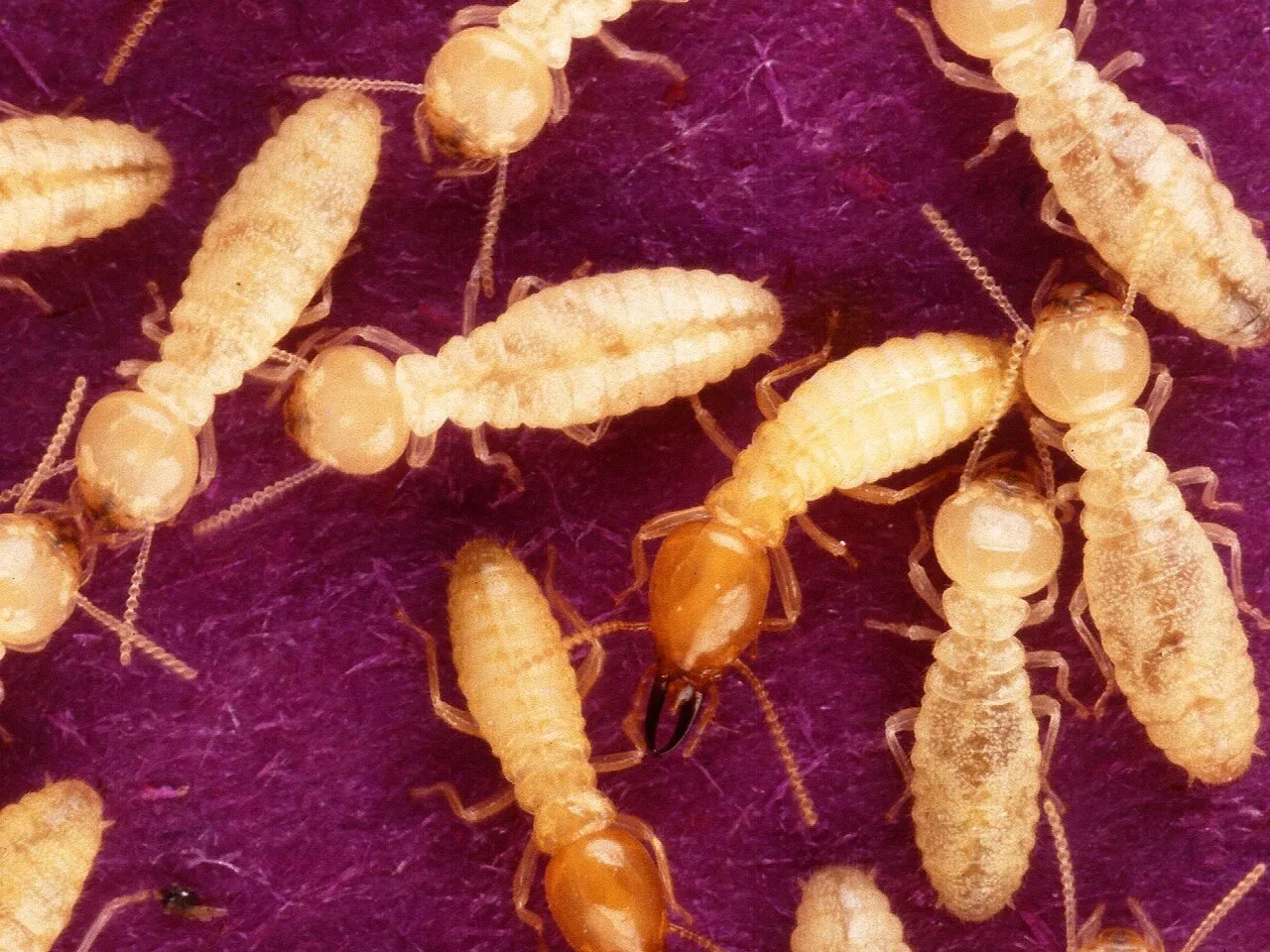
Quick Answer: Before the slab is poured, the answer is soil treatment. After handover with nothing done, it is a perimeter barrier or a baiting system. At twenty years and up, it is inspection first, because by then the colony is usually already feeding.
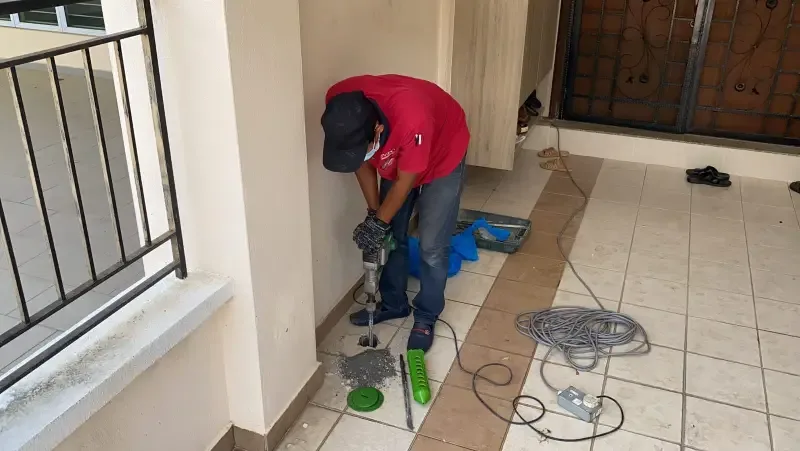
Anti-termite soil treatment is applied after the ground has been levelled and compacted and before the concrete slab goes on, which is a short window and cannot be repeated later. It is bought by the developer or the main contractor, not by the eventual owner, which is exactly why so many completed houses never had it.
If you have bought a house with no treatment record, you are not stuck. A perimeter barrier or a baiting system installed around a finished house gives protection without drilling through your floor tiles in most cases. What changes is the cost and the fact that you are now protecting timber the colony may already have found.
At twenty years and above, the sensible order is inspection, then treatment, then a review visit. By then the question is not whether termites are in the area, it is whether they are in this house.
Key takeaway: The cheapest termite treatment in Kajang is the one poured under the slab. The second cheapest is the one booked before you see damage.
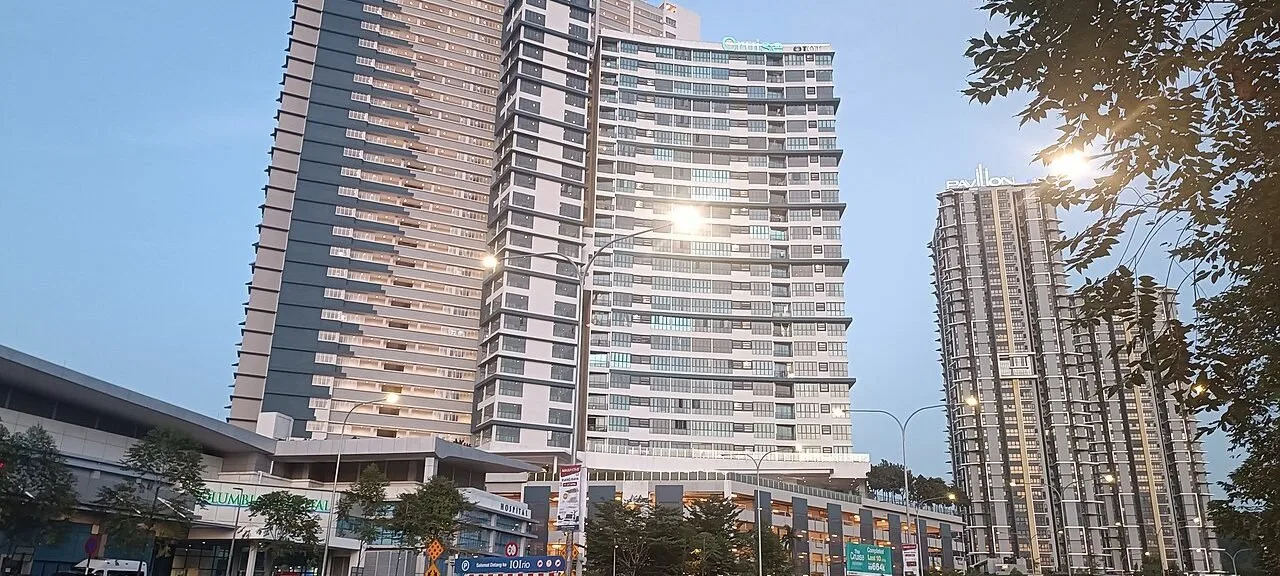
Quick Answer: Established landed housing, newer township handovers, sites still under construction, and old town shoplots, satay and restaurant premises.
Kajang has three property layers, and a food trade that cuts across all of them.
Quick Answer: Subterranean termites first, by a distance. Then rodents and cockroaches in the old town food rows, Aedes mosquitoes across Hulu Langat, and ants in newly occupied houses.
Termites are the reason most Kajang callers pick up the phone.
Quick Answer: MPKj licenses and inspects food premises across a district of about 1.1 million people, and premises that fail hygiene requirements can be ordered shut. Hulu Langat dengue cases have gone from 3,094 to 6,293 year to date, more than double.
For a food operator the practical point is that the pest control record is part of the hygiene assessment, not a separate thing you produce if asked. A signed logbook with dates, a treatment map and corrective actions closed out is what turns an inspection into a routine visit.
The dengue figure is the reason the mosquito section on this page is real rather than filler. At more than double last year’s count for the district, the work that matters is finding standing water on your own lot each week: roof gutters, plant trays, disused containers, construction water and anything left uncovered after rain. Fogging knocks down adults when a case is reported nearby; it does not empty a flower pot.
We do not publish locality-level case counts here because they change weekly. If you want your own taman’s current status, ask when we quote and we will check it on the day.
Key takeaway: Food premises: keep the file current, because the hygiene score is where it gets read. Households: the mosquito work that counts happens between visits.
Quick Answer: Free inspection, written quote, licensed technician, written report with a review date, and a call back within 48 hours if the pest is active again inside the contract period.
Quick Answer: NPC has been a licensed pest control operator since 2006, holds Department of Agriculture licences and a Ministry of Finance supplier registration, and issues treatment certificates for soil treatment and annual pest control renewal.
Quick Answer: Kajang, Semenyih fringe, Sungai Long and Seri Kembangan are one run for us, and clients with premises in more than one are covered by a single contract.
A Kajang job is usually termites, and for food premises termites plus rodents. Related services: termite control, cockroach control, rat control, ant control, bed bug control, mosquito control, fly control and flea and tick control. We also provide disinfection and sanitising, and pest control certificate renewal. See every area we cover on the service areas page. For kajang pest control, call 03 8061 1875 or WhatsApp 016 335 9799, Monday to Saturday, 9am to 6pm.
It depends on whether it is soil treatment before a slab, a perimeter barrier or a baiting system, and on the length of the perimeter. Because those are very different jobs, we inspect first and quote in writing rather than giving a figure over the phone.
It is a treated barrier applied to the prepared ground after levelling and compaction and before the concrete slab is poured. That window does not come back, so if the slab is already down the answer is a perimeter barrier or a baiting system instead.
Book an inspection. The technician checks the porch, perimeter, door frames, wet areas and roof space for mud tubes and hollow timber, and quotes either baiting or a barrier. If there is no activity yet, protection is cheaper and simpler to install.
Usually not in an occupied house. A baiting system placed around the perimeter and at active points avoids drilling finished floors. Where a soil barrier is genuinely the right answer, the quote says so and explains what will be drilled.
Yes. Pest control records form part of the hygiene assessment, and premises that fail can be ordered shut. We leave a signed logbook, a treatment map and dated corrective actions on site after every visit.
We can, but on its own it is a short-term measure. With Hulu Langat cases more than doubled this year, the treatment that holds is weekly removal of standing water on the property, with fogging used to knock down adults when there is a case nearby.
Building, buying or worried about the timber?
Book a free inspection. A licensed technician checks the perimeter, the porch, the wet areas and the roof space, then sends a written quote covering the treatment, the certificate and the review visit.