
Last updated: 22 September 2026
Most commercial enquiries arrive two days before an audit, or the morning after a customer complaint. By then the treatment is the easy part. What is missing is a record that shows the site was looked after all year.
This page explains what our commercial pest control services include, which sectors we cover, how certificate renewal works, how often we visit and what a contract costs. Much of our work is contract work for businesses with a head office to report to, and Malaysia Airlines, Pantai Hospital and the University of Nottingham are on our client list. We have worked across KL and Selangor for more than 15 years. The promise is simple: proven, effective results, backed by a written warranty.
Audit coming up, or a complaint this week?
Start with the survey, not a one-off spray. A licensed technician can tell you what the site needs and what records you are missing.
Quick Answer: Commercial pest control services cover six things: a site survey, scheduled visits, a logbook kept on site, trend reports, corrective action reports and a named technician. Compare that with the one-off treatments on our pest control services page.

The records are the product here, not the spray. Regulation 16 of the Food Hygiene Regulations 2009 says the owner or occupier of food premises must keep them free from pests at all times. If pests appear, they must take all practicable measures to destroy them and stop them coming back. A contractor cannot take that duty off you. What a contract gives you is proof that you met it.
Key takeaway: Ask for a sample corrective action report before you sign. A provider who only leaves a service docket is selling visits, not compliance.
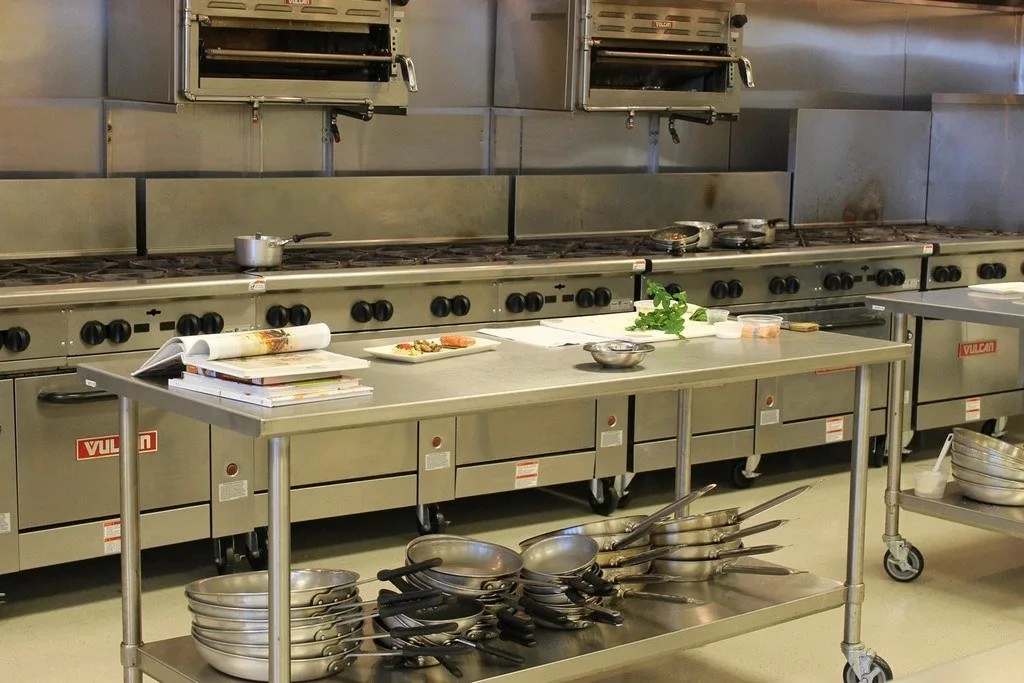
Quick Answer: We run contracts for restaurants, hotels, factories and warehouses, hospitals and clinics, transport and logistics sites, government premises and residential properties, plus offices and retail. Each sector has its own page, starting with pest control for restaurants.
Sector Pest Pressure and Record Standard
| Sector | Main pests | What sets the schedule | Who reads the records |
|---|---|---|---|
| Restaurants and F&B | Cockroaches, flies, rats | Service hours, grease load | Health inspector, HACCP auditor |
| Hotels | Bed bugs, cockroaches, rats | Room turnover, guest reports | Brand standard audit |
| Factories and warehouses | Rats, stored-product insects | Perimeter, dock doors | GMP and customer audits |
| Hospitals and clinics | Rats, flies, ants | Restricted-area access | Facility accreditation file |
| Transport and logistics | Rats, cockroaches | Shift pattern, cargo flow | Operator and client audits |
| Government sector | Cockroaches, rats, mosquitoes | Public hours, school terms | Facilities file, department audit |
| Residential | Cockroaches, ants, termites | Household routine, garden and drains | The homeowner, or the JMB |
Source: NPC Pest Control contract practice, KL and Selangor, 2024–2026.
Key takeaway: The sector changes who reads the report, not just which pest you fight. Name your audit standard at the survey, not after the contract is signed.
Quick Answer: F&B and medical premises are often asked for a current pest control certificate at licence renewal, a hygiene inspection or a client audit. NPC issues it as a licensed PCO, backed by the service records behind it. Hospitals and clinics can read more under hospital pest control.
The certificate is a single page. What gives it weight is the history behind it. A certificate from a one-off visit the week before renewal says the premises was treated once. A certificate backed by a year of signed visits says the premises is under a programme.
Who asks for it varies. It may be the local council, a franchise head office, a hospital accreditation team or a corporate client checking its suppliers. Ask them three things before you book: which document they want, how recent it must be, and whether the logbook must be shown with it.
Key takeaway: Do not leave renewal to the last week. A certificate is only as strong as the records behind it, and records cannot be written backwards.
Quick Answer: Offices and low-risk sites are usually monthly. Kitchens and sites with a complaint history are fortnightly or weekly. The survey takes one to two hours and set-up up to a day. Contact NPC to book the survey.
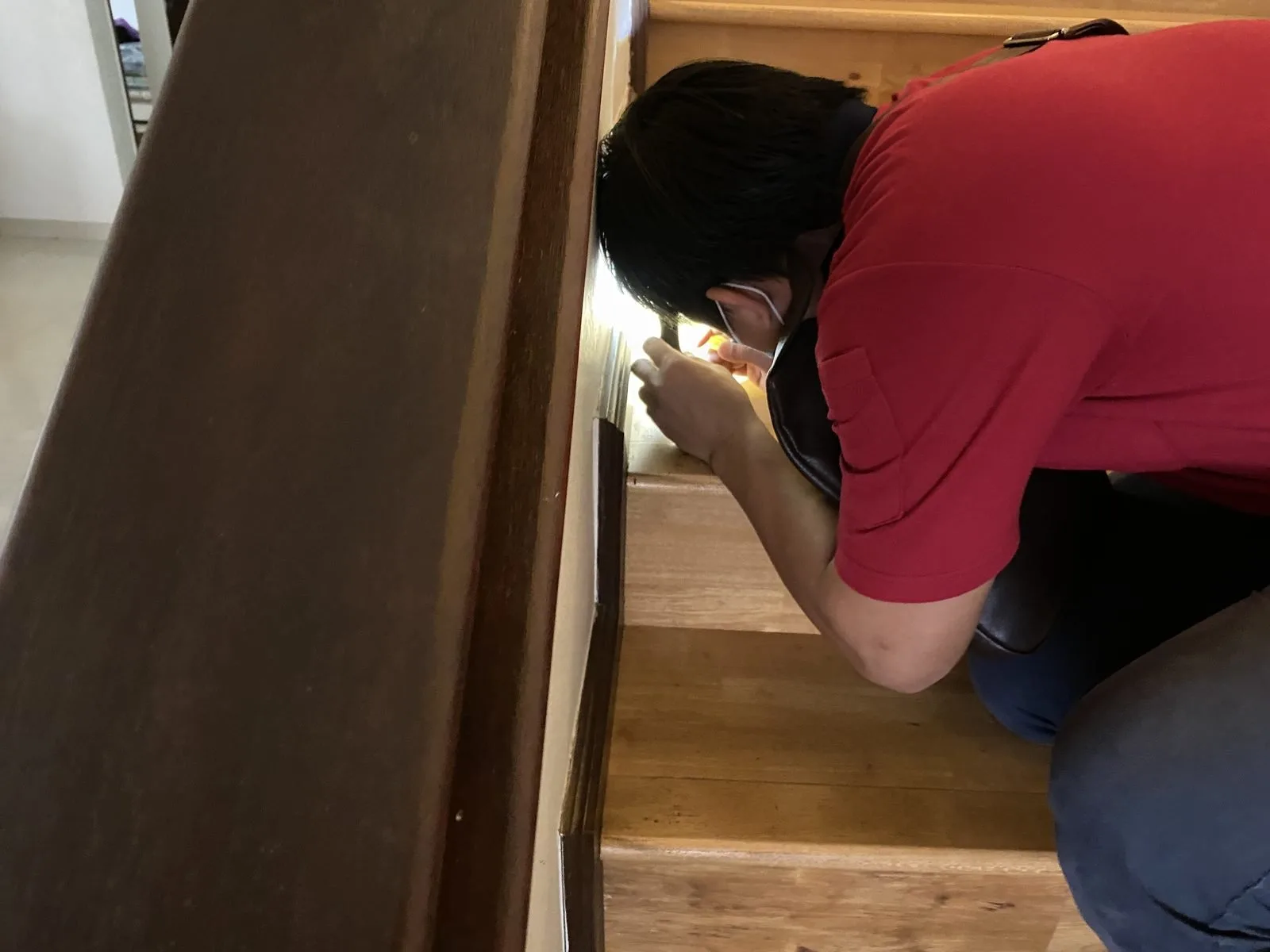
Every NPC commercial contract is set up in the same five steps:
Typical Time on Site, by Stage
| Step | Time on site | Typical duration |
|---|---|---|
| Site survey and risk assessment | 1–2 hours | |
| Set-up and first treatment | half to full day | |
| Routine visit, restaurant or café | 45 min–1.5 hours | |
| Routine visit, warehouse or factory | 2–4 hours | |
| Return visit after a report | within 48 hours |
Source: NPC Pest Control, typical commercial jobs in KL and Selangor, 2024–2026.
Set-up is the long day. Routine visits are short because the station plan already exists. If a contractor spends the same hour on visit one as on visit ten, they never built a plan.
Key takeaway: Tell us your opening hours, shift pattern and audit dates when you book. Visit times are set around them.
Quick Answer: Commercial pest control services in Malaysia are quoted as a yearly contract, based on the site survey and billed per visit. Scope, frequency and site size change on every job. NPC sends a written quote after a free site survey.
Procurement teams ask for a per-visit rate to compare, which makes sense. But a rate means little until the scope is fixed. Two bids at the same rate are different contracts if one includes trend reports and drain work and the other is a walk around the perimeter with a sprayer.
What Drives the Quote, by Premises Type and Visit Frequency
| Premises type | Monthly | Fortnightly | Weekly |
|---|---|---|---|
| Restaurant or café | Kitchen and bin area | Grease load, night access | Complaint history |
| Central kitchen | Seldom enough | Lines, wash bay, chillers | Audit standard, output |
| Hotel | Back of house only | Room count, bed bug cover | F&B outlets inside |
| Office or managed building | Floor area, pantries | Refuse rooms, risers | Rare, outbreak only |
| Warehouse or factory | Perimeter stations | Dock doors, zones | GMP scope, reporting |
Source: NPC Pest Control quoting practice, KL and Selangor, 2024–2026. Every contract is quoted on survey.
Key takeaway: Line up every bid on the same visit count and reporting scope before you compare rates. Most of the gap between bidders is scope, not margin.

Need a figure your procurement team can compare?
We survey the site, scope the visits and send a written contract quote with each line priced separately. The survey is free.
Quick Answer: A call-out treats one incident. A contract manages the site all year. The cost over a bad year can look close, but only the contract leaves a record, a known response and proof of prevention. Rodent-heavy sites add rat control as its own line.
What a Site Looks Like Across Twelve Months
| Approach | Month 1 | Month 3 | Month 6 | Month 12 |
|---|---|---|---|---|
| Scheduled contract | Knock-down, baseline logged | Activity falling, gaps sealed | Stable, frequency reviewed | Full year of records |
| One-off call-outs | Incident treated | Second incident, same entry | Back in a new area | Invoices, no history |
| No programme | Nothing seen yet | Staff sightings | Complaint or finding | Rushed clean-up |
Source: NPC Pest Control field observations, commercial sites in KL and Selangor, 2024–2026.
Month 12 is where the paths split, and it is the month an auditor asks about. Our advice to new clients is plain: start the logbook before you need it. Nobody can build a service history after the fact.
Key takeaway: If an audit or renewal is within a year, a contract started today is the only way to have twelve months of records by then.
Quick Answer: Check four things: licences you can verify, a sample trend report from a live site, a clear reporting standard in the quote, and a warranty with a set return time. NPC Pest Control meets all four from our office in Bandar Puteri Puchong.
One more test. Ask who will attend your site each month. If the answer is “whoever is free”, the technician will relearn your building on every visit, and the trend report will show it.
Key takeaway: The question that separates operators: can they show a twelve-month trend report from a site they run now? A provider without one has never had to.
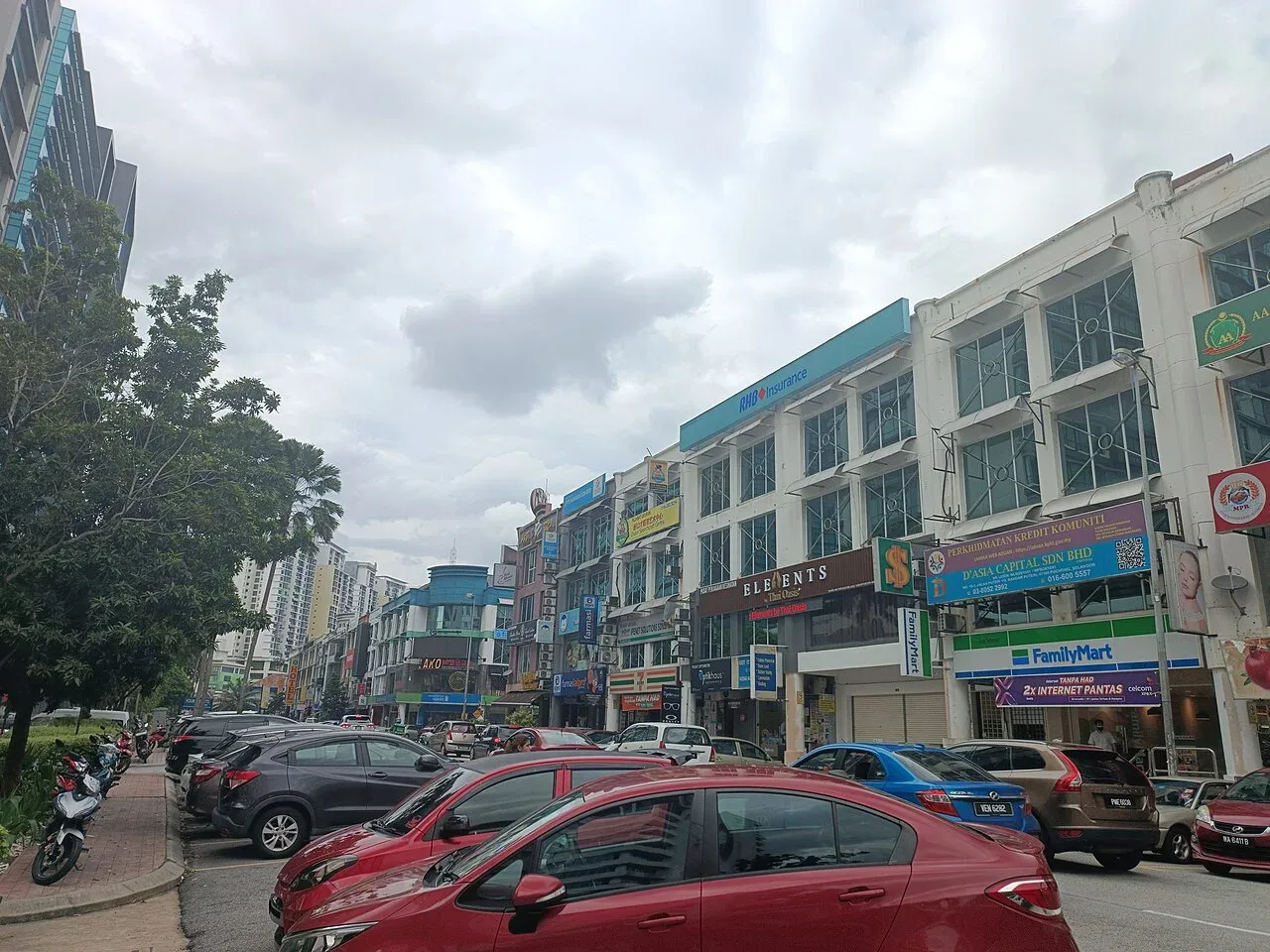
Quick Answer: Good commercial pest control services give you a plan, a logbook and proof that prevention ran all year. NPC covers KL and Selangor, most often Puchong, Seri Kembangan, Serdang, Subang Jaya, USJ, Shah Alam and PJ, as well as Cheras. Multi-site operators get one schedule and one contact. See all our pest control services.
Most sites need two or three pests covered in one contract, on one schedule, with one logbook. Related services: termite control, cockroach control, rat control, ant control, bed bug control, flea and tick control, mosquito control and fly control. Public premises are covered under government sector pest control, and homes under residential pest control. We also provide disinfection and sanitising services, and pest control certificate renewal for F&B and medical premises, covered above. For commercial pest control services in Malaysia, call 03 8061 1875 or WhatsApp 016 335 9799, Monday to Saturday, 9am to 6pm.
There is no list rate. A contract is priced on site area and zones, visit frequency, the pests in scope and the reporting standard. NPC quotes in writing after a free site survey, showing the per-visit rate and the yearly total.
A pest risk assessment, a numbered station map, the on-site logbook, trend reports per station, corrective action reports with close-out dates, product safety data sheets, and copies of our PCO and KKM licences.
The risk assessment sets it, not a package. Offices and low-risk sites are usually monthly. Kitchens, central kitchens and sites with a complaint history run fortnightly or weekly. The trend report then moves it up or down.
Yes. Restaurants, shops, clinics and production lines are often serviced at night, before opening or at weekends, so no work runs over food, customers or patients. After-hours visits are a line in the contract.
Activity in a treated area during the contract is re-treated at no charge. If you report a problem, we come back within 48 hours. Every visit, including the return visit, goes into the logbook.
The short video below explains why pest control is treated as a prerequisite programme in food safety, and what an auditor expects to see.

Want your site ready before the next audit?
Book a free site survey. A licensed technician completes a risk assessment and station plan, then sends a written contract quote covering visits, reporting, certificate renewal and warranty terms.